
Last updated November 14, 2026
 Wrought iron
 Wood & steel frame
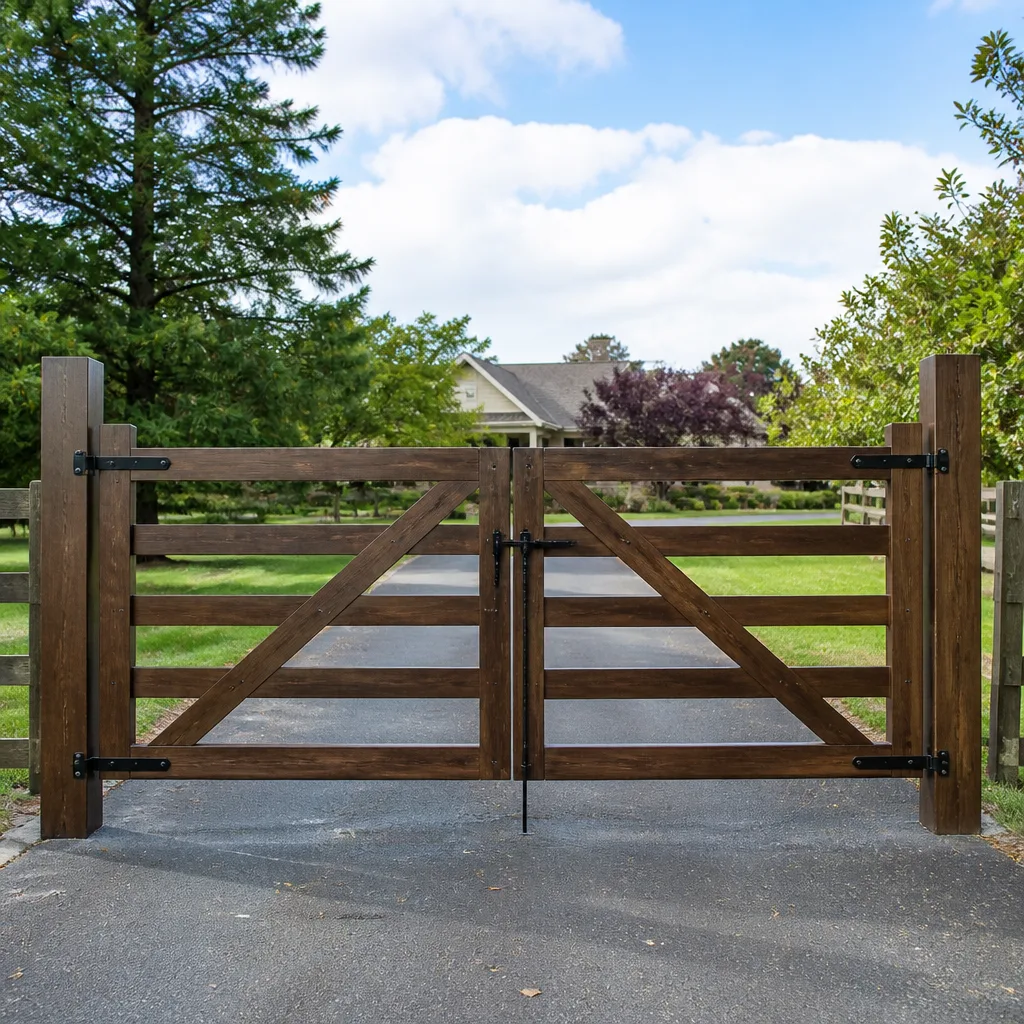 Farm & ranch
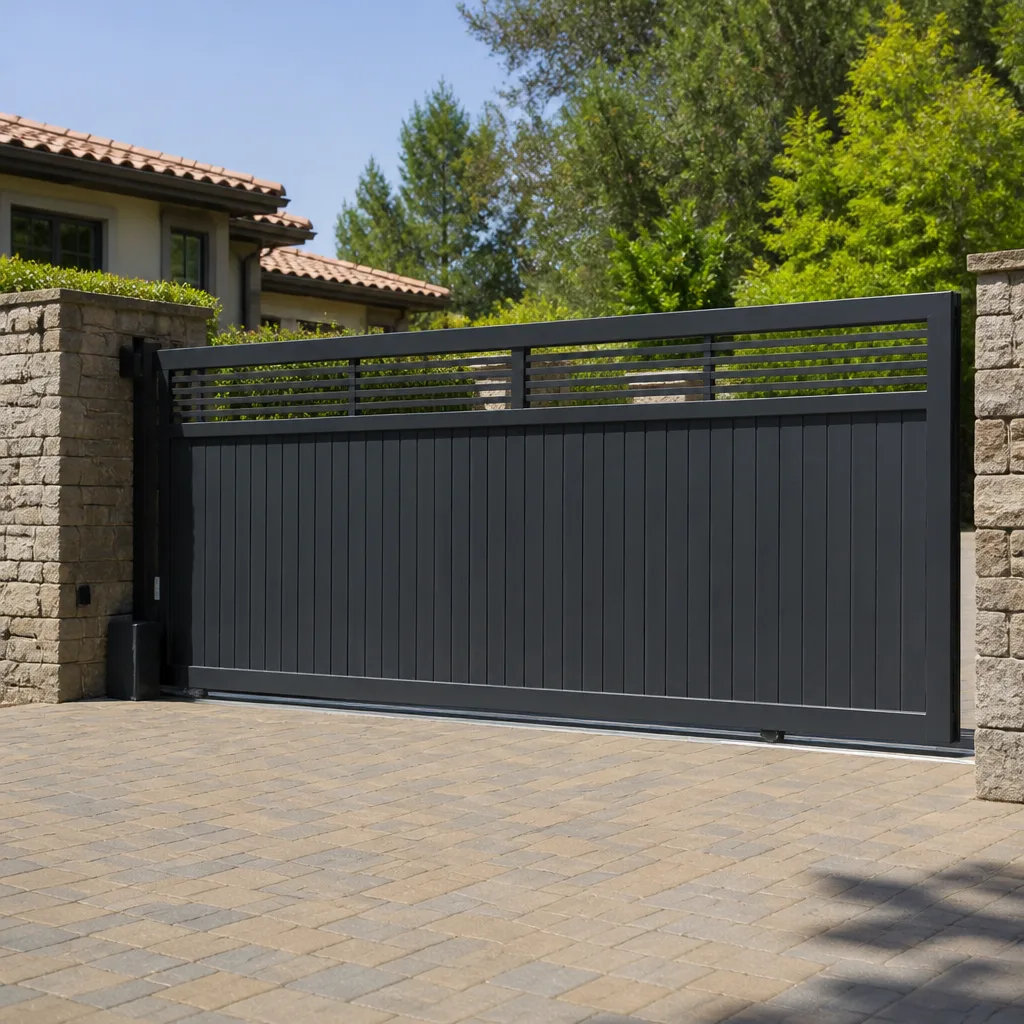 Sliding driveway gates
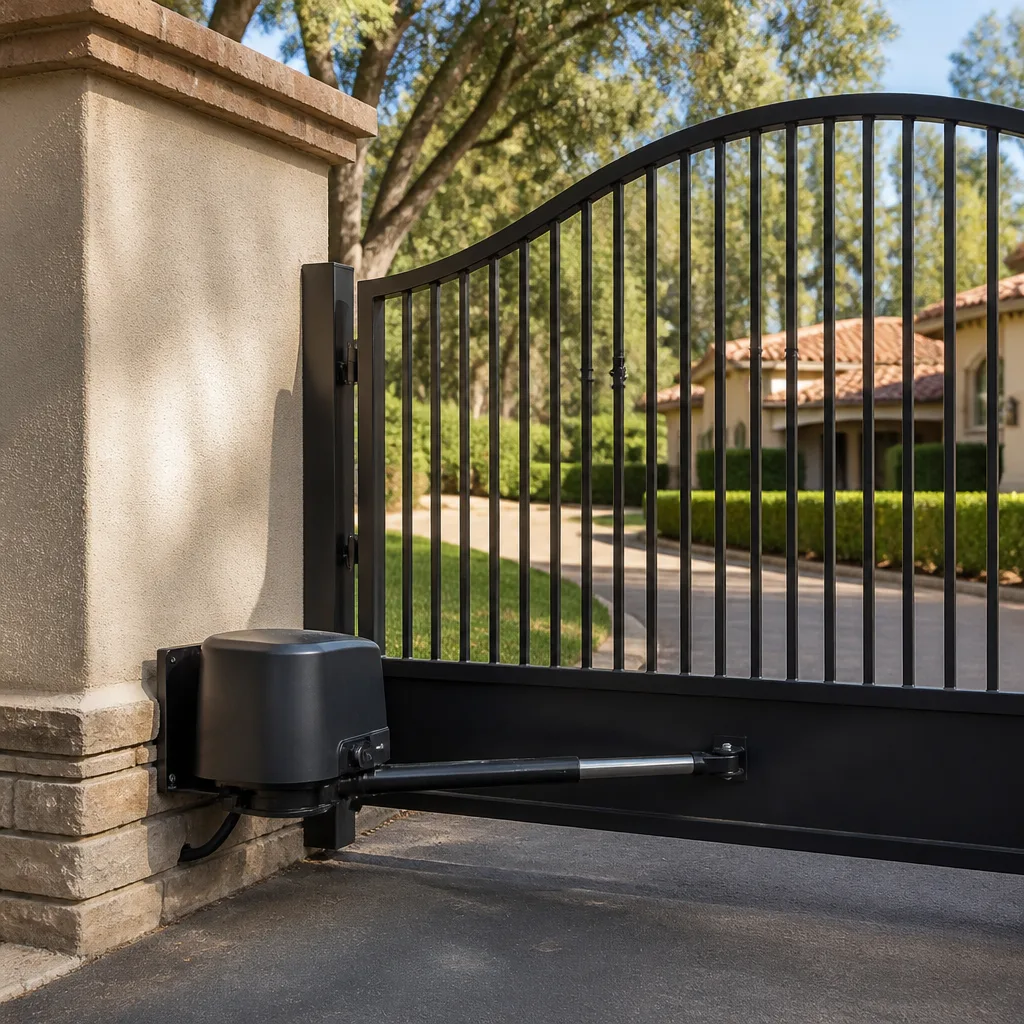 LiftMaster operators
Free on-site gate assessment - hinges, posts, and your LiftMaster or Nice gate operator checked before anything is quoted
The assessment is free and the quote is the invoice.
Get your free estimateGate Repair Maintenance Checklist for Westminster Homeowners
Most gate maintenance advice you’ll find online was written for a mild coastal climate where the biggest worry is salt in the air. Westminster isn’t that place. At roughly 5,300 feet of elevation, your gate gets hit with UV radiation intense enough to break down lubricants and seals far faster than the same products would last at sea level. Add freeze-thaw cycles that work hinges loose every spring and alkaline soil that shifts under gate posts, and you’ve got a specific set of stressors that a generic annual-lube reminder simply doesn’t cover. This checklist is built around what actually fails first on an automated or manual gate in Westminster. If you’d rather have a specialist look, Westminster Gate Repair is a good place to start.
Quick Answer
Gate maintenance in Westminster should be done on a seasonal cycle, not a once-a-year schedule: inspect and lubricate hinges and rollers every three months, test limit switches and battery backup before the first hard freeze, check post footings for heave after spring thaw, and verify safety sensors monthly. The two most skipped steps – battery backup testing before winter and post-footing inspection after thaw – are also the two that cause the most expensive repairs when ignored. This guide walks through every interval, which lubricants survive Colorado UV, and how to read your operator’s control-board lights so you know when to call.
Styles & brands we work with
- Wrought iron
- Wood & steel frame
- Farm & ranch
- Sliding driveway gates
- LiftMaster operators
Table of Contents
- Why a Colorado-Specific Checklist Matters
- Inspection Intervals Tuned to Freeze-Thaw Cycles
- Which Lubricants Survive Westminster UV and Temperature Swings
- Testing Battery Backup Before Winter
- Checking Post Footings for Heave After Spring Thaw
- Reading Your Control Board Indicator Lights
- The Westminster Seasonal Maintenance Calendar
- When to Call a Professional
Why a Colorado-Specific Checklist Matters
The reason a national maintenance guide falls short here is elevation and temperature range. Your gate sits in a climate that delivers a bigger one-two punch than most checklist authors have worked in. Understanding each stressor tells you why the intervals in this guide are what they are, and why skipping one step costs more here than elsewhere.
Sun exposure at this elevation is the first factor. The thinner atmosphere lets more ultraviolet radiation reach surfaces, and UV is what breaks down grease, rubber seals, plastic sensor housings, and wiring insulation. Silicone spray on a hinge that would last months at sea level dries out noticeably sooner. The practical result is that any interval measured in seasons rather than months is too long.
Freeze-thaw cycles are the second factor. Through late fall, winter, and early spring, moisture works into hinge pins and roller tracks, freezes, expands, and works the hardware loose. Every thaw brings a small shift. Over a season those small shifts add up to misaligned gates, sticky rollers, and limit switches that drift out of position.
The third factor is soil. Westminster’s ground runs toward the alkaline side, and clay-heavy areas expand and contract with moisture. That movement is gentle day to day but relentless across seasons, and it’s what stress a post footing until the gate no longer hangs square.
None of this means a homeowner has to become an expert. It means the schedule and the products need to match the climate. That’s what the rest of this guide delivers.
Inspection Intervals Tuned to Freeze-Thaw Cycles
The single biggest improvement you can make to a Westminster gate schedule is to move from a once-a-year mindset to one tied to the freeze-thaw calendar. Here’s how often each component deserves a look, and why.
- Hinges: every three months. Hinge pins take the most direct hit from moisture freezing and thawing. Quarterly inspection lets you catch a dry pin before it starts grinding, which is what turns a lube job into a replacement.
- Rollers and track: every three months, plus after any ice storm. Debris collects faster in a dry, dusty climate, and rollers that bind put strain on the operator. Clear the track and check for flat spots on the rollers.
- Limit switches: twice a year, and after the first hard freeze. Limit switches tell the operator where to stop. Freeze-thaw drift throws them out of adjustment, and a gate that stops short or hits its stop too hard is usually a limit-switch issue, not a motor failure.
- Safety sensors: monthly, a quick visual and a wave-through test. Sensors are a safety device, not a convenience. Test them by passing an object through the beam and confirming the gate reverses or holds.
- Post footings: every spring, right after thaw. Covered in detail below, and the most commonly skipped item on this list.
- Operator and battery: before winter and once mid-season. Covered in the battery section below.
For gates in neighborhoods around Westminster and nearby Highlands Ranch, these intervals hold across most residential automated systems. If your gate sits fully exposed with no shade or windbreak, lean toward the shorter end of every interval. A gate on a windy, open lot works harder and needs more attention than one tucked behind the house.
Which Lubricants Survive Westminster UV and Temperature Swings
Walk down the lubricant aisle and every can promises to solve your problem. In this climate, some of them will fail within a single season. The difference comes down to whether a product stands up to intense UV and a wide temperature range without turning to gum or evaporating off.
What works well on a Westminster gate:
- Silicone-based spray for hinges and pivot points. Good penetration and it doesn’t attract dust the way heavier greases do. In this sun, reapply on the quarterly schedule above rather than expecting it to last a full year.
- Lithium-complex grease for roller bearings and heavier pivot hardware. Holds up under load and temperature swings better than thin oils.
- Dry-film PTFE lubricants for tracks and sliding contact points. They leave a dry surface that doesn’t collect grit, which matters in a dusty environment.
What tends to fail here:
- Light household oils. They evaporate or run off quickly and leave the hinge drier than before once the sun bakes them.
- Cheap general-purpose grease without UV resistance. It can gum up as temperatures climb, then stiffen in the cold, and it traps grit that wears the pin.
- “Set it and forget it” products marketed for long service life. No lubricant lasts a full year on an exposed hinge at this elevation. Reapplication is the maintenance.
One rule that holds regardless of product: apply less than you think you need, and wipe off the excess. A thick coat does nothing but collect dust. If you’re unsure what’s appropriate for your specific operator – brands like FAAC, BFT, and Viking all have their own recommendations – that’s a fair question to ask before you buy.
Testing Battery Backup Before Winter
This is the step almost everyone skips, and the one that matters most when the temperature drops to 10°F. An automated gate with a failing backup battery works fine all summer. Then the first cold snap hits, the power flickers, and the gate freezes open or, worse, stops mid-travel with no way to operate it until the battery recovers or someone comes out. Testing before winter avoids that.
Here’s the sequence:
- Locate the battery. On most residential operators it’s a sealed unit inside the control box. Check your owner’s documentation if you’re not sure; don’t open a live control enclosure unless you’re comfortable doing so.
- Check the test button or diagnostic mode. Many modern operators, including common LiftMaster and Linear units, have a built-in battery test. Run it and note the result.
- Simulate a power loss safely. With the gate clear and no one nearby, cut power at the breaker and confirm the gate still opens and closes on the backup. Restore power afterward.
- Note the behavior. A backup that runs the gate slowly or only partway is a backup that won’t cover a real outage in cold weather.
- Check the terminals for corrosion. If accessible without opening anything live, a quick look for crust or moisture on the battery connection is worth a minute.
If the backup test comes back weak, the battery is old, or you’re not sure how to run the test on your operator, that’s a good point to bring in help. Automated systems are where an electric gate repair specialist earns their keep, because a battery that tests fine in October can fail in January, and a professional test accounts for that.
Checking Post Footings for Heave After Spring Thaw
This is the most common undetected issue we see on Westminster gates, and it’s the hardest to spot until the gate starts dragging. The ground here expands and contracts with moisture, and every spring thaw shifts soil around the post footings. A footing that’s heaved even slightly throws the whole gate out of alignment, and the symptom shows up as a gate that sticks, binds, or swings out of square rather than anything obviously broken.
How to check after thaw:
- Look at the gap around each post. A visible gap between post and ground, or a crack ring in the soil, can signal movement.
- Check for a tilt. A post that leans even a degree or two out of plumb stresses every hinge and the operator.
- Open and close the gate by hand (with the operator disengaged) and feel for binding or a spot where it wants to jump.
- Watch the bottom clearance. If the gate now scrapes where it used to clear, the footing has moved.
- Look for water pooling at the base after rain, which accelerates the cycle.
Footing work is not something to tackle with a shovel and hope. Resetting a post correctly means proper footing depth and the right concrete work, and getting it wrong just restarts the cycle. If you find movement, that’s a job for someone who sets footings for a living. We diagnose before we quote, so you’ll know whether it’s a footing issue or something simpler before any work starts.
Reading Your Control Board Indicator Lights
Most automated gate operators have a control board with one or more indicator LEDs that flash in patterns. Learning to read them lets you self-triage before you pick up the phone: you’ll know whether it’s a sensor, a limit switch, a battery, or something that genuinely needs a technician. The three most common residential operators in the Westminster area are LiftMaster, FAAC, and Linear, and each uses its own light language. Always check your owner’s manual for the exact pattern on your model, since boards vary.
Common patterns to watch for:
- A steady light with no response to the remote. Usually a power or control issue rather than a mechanical one. Check the breaker and the remote battery first.
- A repeating blink that stops when you block the safety beam. That points to the safety sensors: something is interrupting the beam or a sensor is misaligned.
- A rapid or irregular flash on the operator light. Often a limit-switch or travel-adjustment fault. On FAAC and Linear units this frequently shows up after freeze-thaw drift.
- A battery-fault indicator on units with backup. Time to test the backup as described above.
What the lights won’t tell you is the cause behind the pattern. A sensor fault could be a misaligned bracket, a wiring problem, or a failing sensor, and the code reads the same either way. That’s the limit of self-triage: it tells you where to look, not what to fix. Wiring inside a control enclosure and the operator’s power supply are hazardous and shouldn’t be probed by anyone without the training and tools to do it safely. When a light tells you something’s wrong, the right next step is a real diagnosis.
The Westminster Seasonal Maintenance Calendar
Everything above, organized by season so you’re not trying to remember a dozen intervals. This is the schedule to actually put on the calendar.
- Early spring (after thaw): Inspect post footings for heave and tilt. Check limit switches for drift. Clear any winter debris from tracks and hinges. This is the most important inspection of the year in this climate.
- Late spring: Full quarterly inspection of hinges, rollers, and hardware. Reapply lubricant. Test safety sensors and confirm reverse behavior.
- Summer: Quarterly lube and roller check. Watch for UV damage on seals, sensor housings, and wiring insulation, which shows up as cracking or fading.
- Early fall (before the first freeze): Test battery backup thoroughly. Service the operator. Grease every hinge and pivot. This is the step that saves you a frozen-open gate in January.
- Winter: Monthly visual check and safety-sensor test. After any ice event, clear the track and check rollers before running the gate.
A gate that’s kept on this schedule needs far fewer emergency repairs than one that gets attention only when something breaks. If you’d rather hand the whole calendar to a specialist, that’s exactly what a maintenance visit is for. We approach every visit as a diagnosis, not a tuning: we’ll tell you what’s fine, what’s aging, and what’s about to fail, and you decide what to do with that.
Common Mistakes to Avoid
- Following a once-a-year lube schedule. It’s designed for a milder climate. Here, quarterly is the minimum for exposed hinges and rollers, and skipping it just means a repair sooner.
- Using the wrong lubricant. Light household oil and cheap non-UV grease fail fast under this sun. Match the product to the job as covered above.
- Skipping the pre-winter battery test. The backup that works in July can fail the first time the temperature drops and the power flickers.
- Ignoring footing movement until the gate drags. By the time a gate binds, the shift has been working on the hardware for weeks. Check after thaw, not after failure.
- Resetting a limit switch without knowing why it drifted. If freeze-thaw shifted the gate, re-adjusting the switch without addressing the footing just delays the problem.
- Opening a live control enclosure to “just take a look.” The operator’s power supply and wiring are hazardous. Read the lights from outside; leave the insides to a trained technician.
- Over-lubricating. A thick coat of grease collects grit in a dusty climate and wears components faster than the dry hinge would.
See the difference
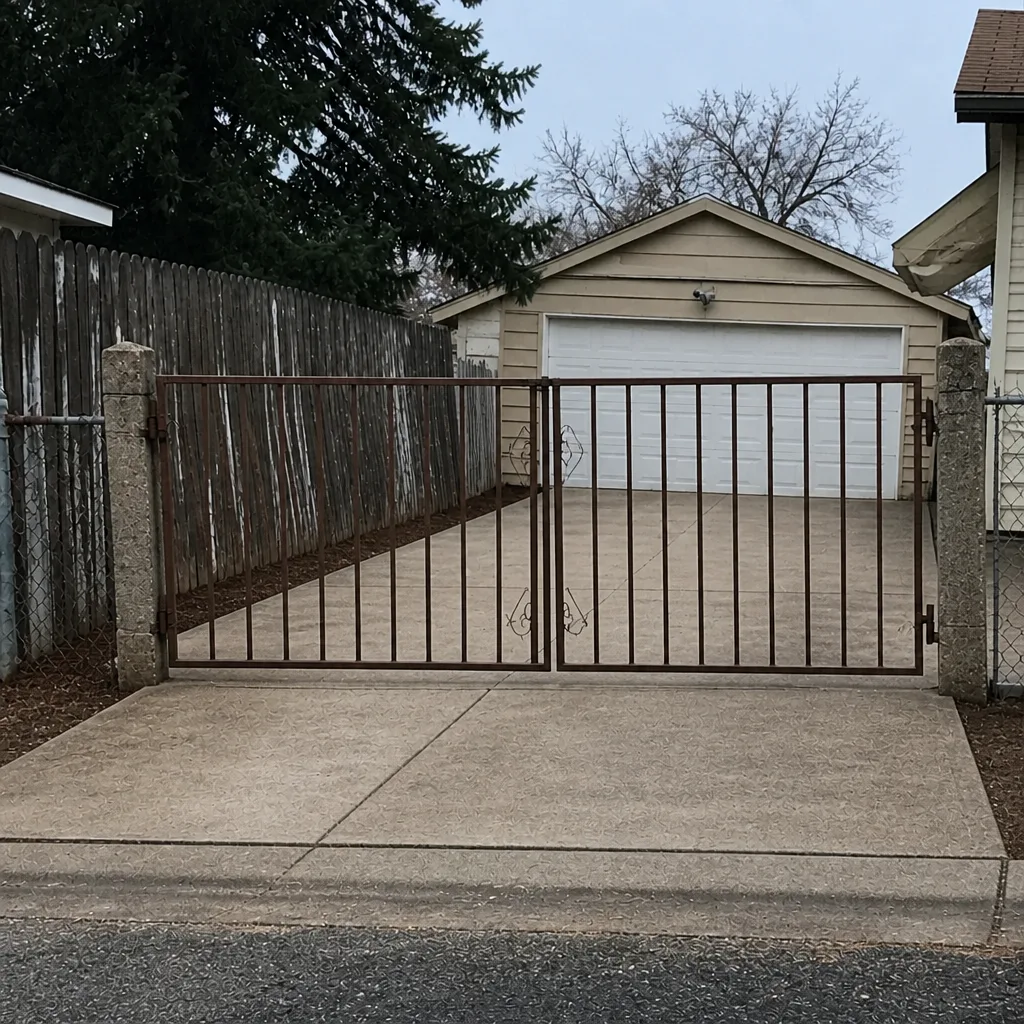
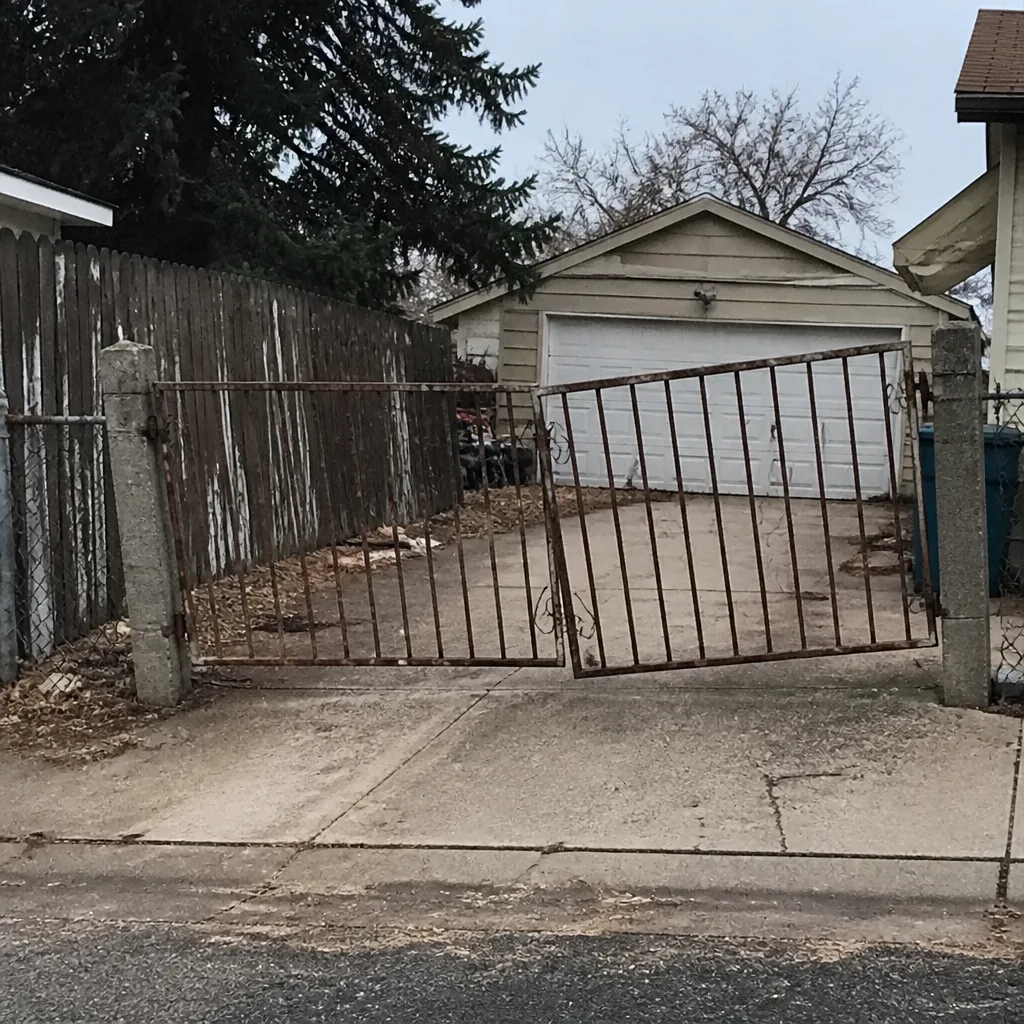 Before
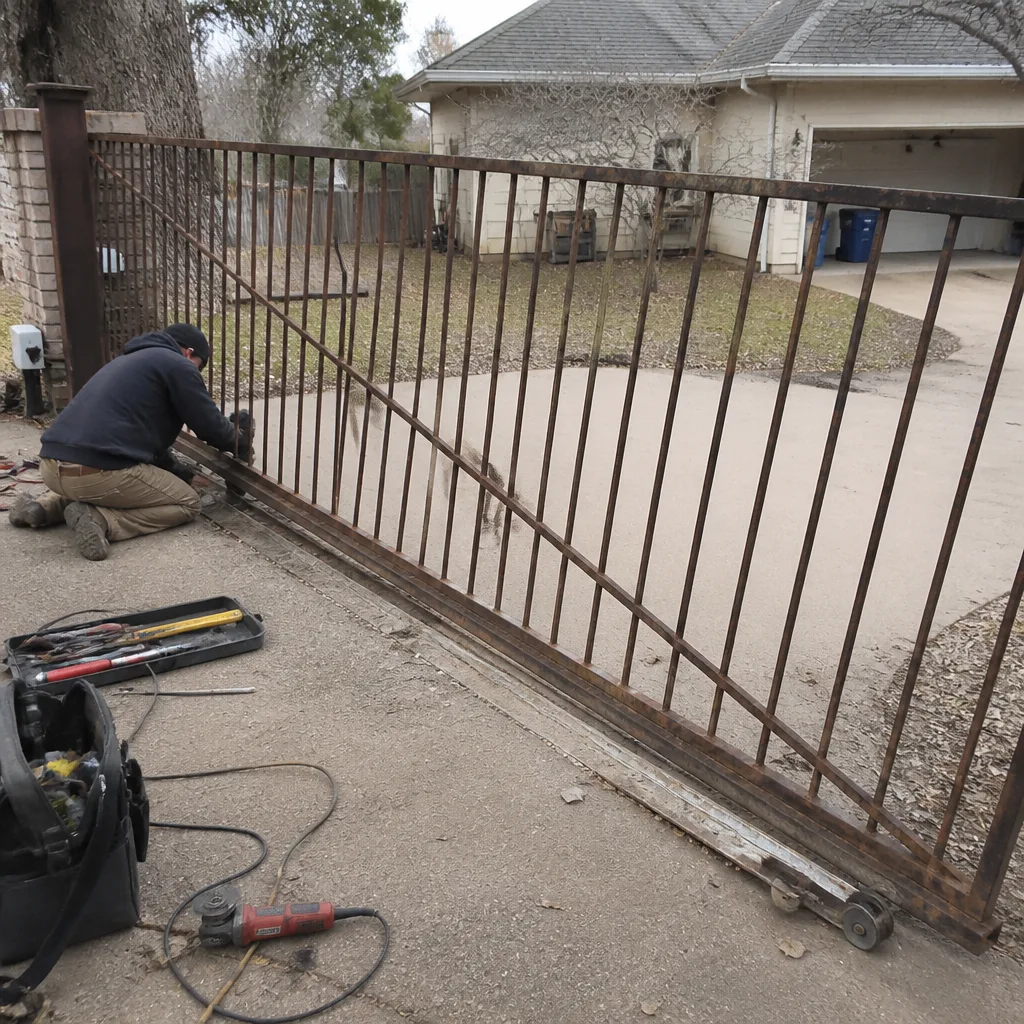
 After
 Before
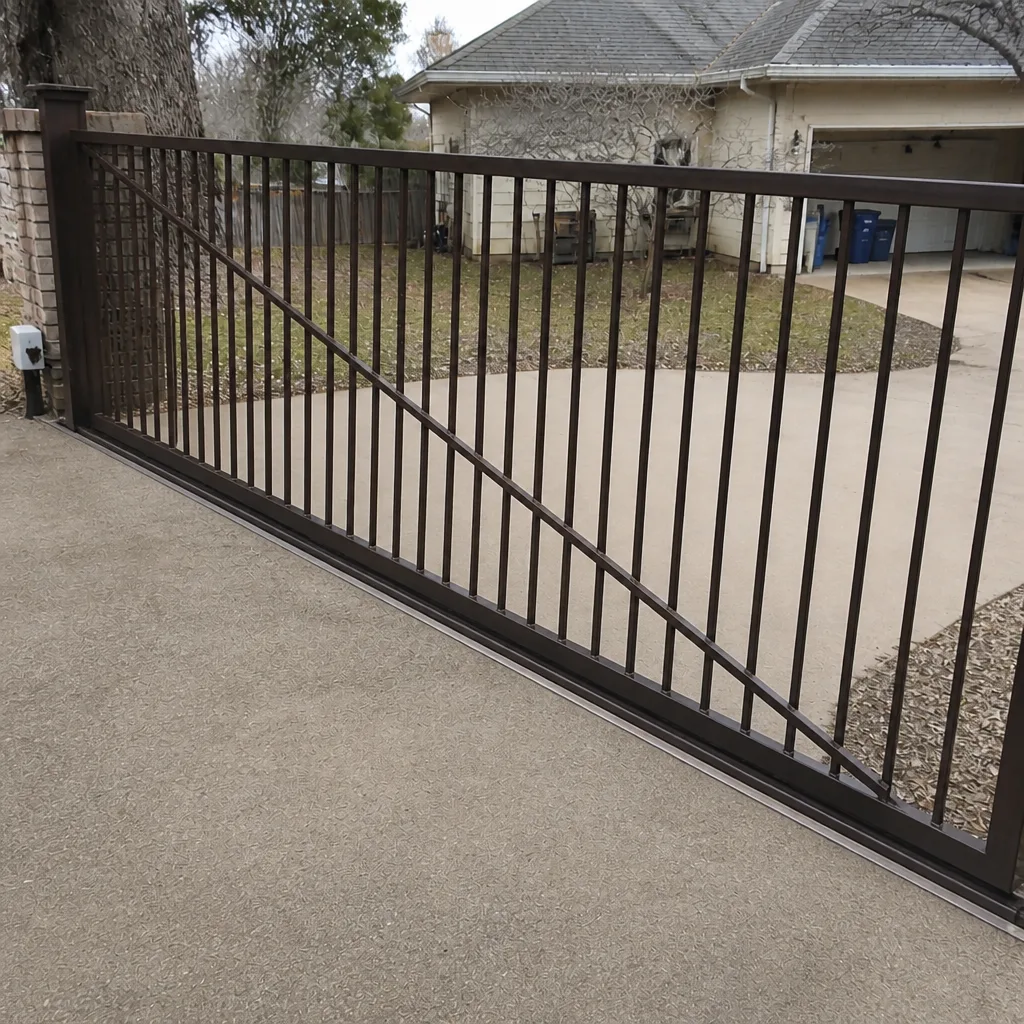 After
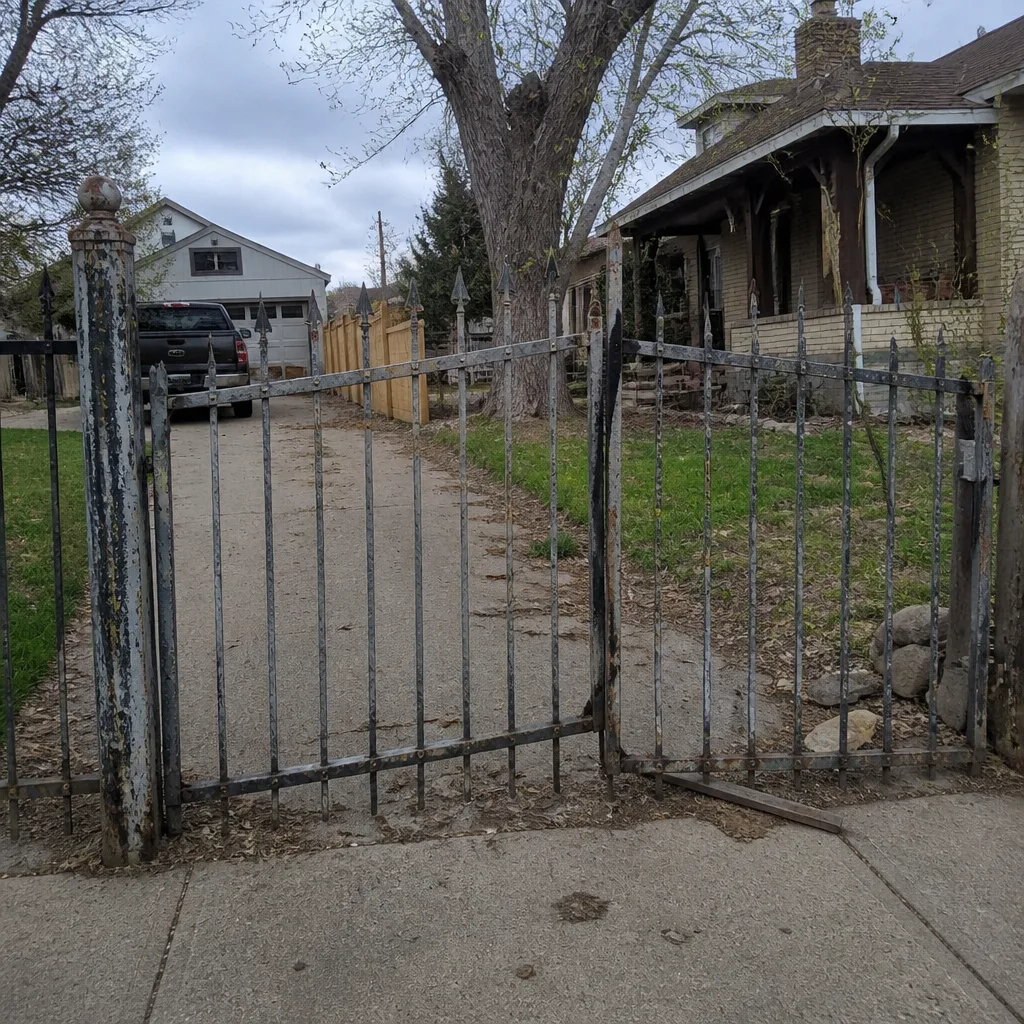 Before
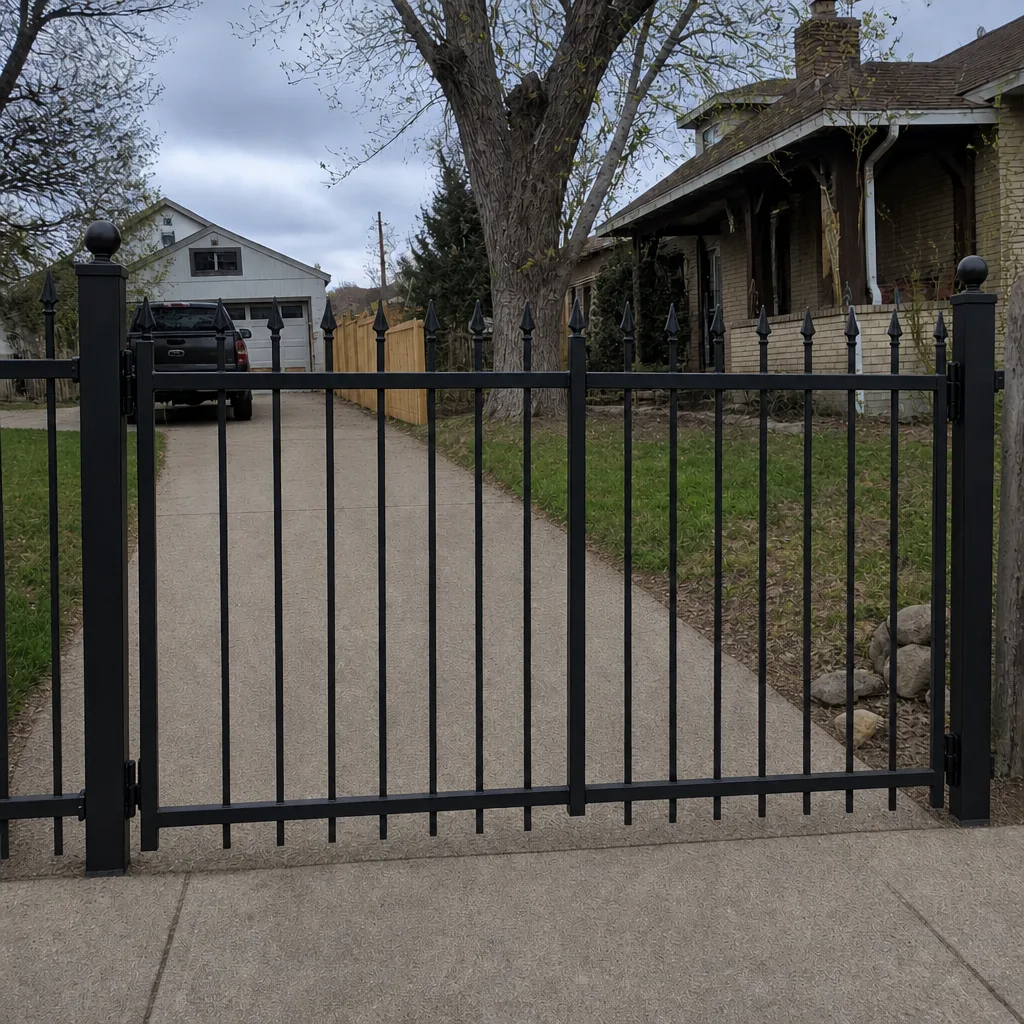 After
When to Call a Professional
Some of this checklist is genuinely DIY-friendly: wiping a track, testing a sensor, reading an indicator light. Others aren’t. Call a specialist if your post footings have moved, if a limit switch won’t hold adjustment, if the battery backup fails its test, if the operator’s control board needs replacing, or if your gate is off its track or its slide hardware is damaged. Heavy panels, wiring, and a slide gate that’s come off its track are genuinely dangerous to work around, so a trained technician is the right call. Westminster Gate Repair offers free estimates in Westminster at (833) 348-9387. We work on the brand you have, from LiftMaster and FAAC to BFT and Linear, and we’ll diagnose before we quote so the written estimate is settled up front.
Frequently Asked Questions
Every three months for hinges and rollers, twice a year for limit switches, monthly for safety sensors, and at least once before winter for battery backup. The quarterly rhythm is the minimum given this climate’s freeze-thaw cycles and UV intensity. Call (833) 348-9387 for a professional assessment if you’re not sure where your gate stands.
Silicone spray for hinges and pivot points, lithium-complex grease for roller bearings and heavy hardware, and a dry-film PTFE product for tracks. Avoid light household oil and non-UV general-purpose grease, because both fail within a season under this sun. Reapply on the quarterly schedule rather than expecting any product to last a year.
Nearly always a drained or failing backup battery or a limit switch that drifted with the freeze-thaw cycle. The battery that ran the gate all summer can’t carry it once temperatures drop. If the backup test fails before winter, that’s the fix. Call (833) 348-9387 and we’ll help you sort out what’s going on.
Look for a gap or crack ring at the base, a post that leans out of plumb, a gate that now scrapes where it used to clear, or binding when you open it by hand. Spring thaw is when it surfaces. Resetting a footing correctly takes proper footing depth and concrete work, so it’s a job for a specialist rather than a homeowner with a shovel.
Partly. The lights tell you the category of fault (sensor, limit switch, battery, control issue) so you know where to look. They don’t tell you the cause behind the pattern, and the insides of a control enclosure carry hazardous wiring. Read the lights, then call (833) 348-9387 for a real diagnosis on LiftMaster, FAAC, Linear, and other common operators.
Yes, most of it. The quarterly hinge and roller inspection, lubricant choices, post-footing check, and spring-thaw schedule all apply to a manual gate. You can skip the battery and control-board sections, but the footing check matters just as much, because a manual gate that’s out of square binds just as badly.
The Bottom Line
The right gate maintenance schedule for Westminster is a seasonal one built around what this climate actually does to equipment: quarterly lube and inspection, a pre-winter battery test, and a post-thaw footing check. Those last two steps are the ones most people skip and the ones that prevent the biggest repairs. Use the right lubricants for this UV and temperature range, learn to read your control-board lights so you know when to call, and don’t tackle footing, wiring, or slide-track work yourself. If you’d rather hand the calendar to a gate specialist, that’s what we do. Call (833) 348-9387. We answer 24/7. Fast dispatch from 7am to 7pm, Sunday through Friday.
Written by the team at Westminster Gate Repair, serving Westminster since 2018.