
Last updated November 14, 2026
 Wrought iron
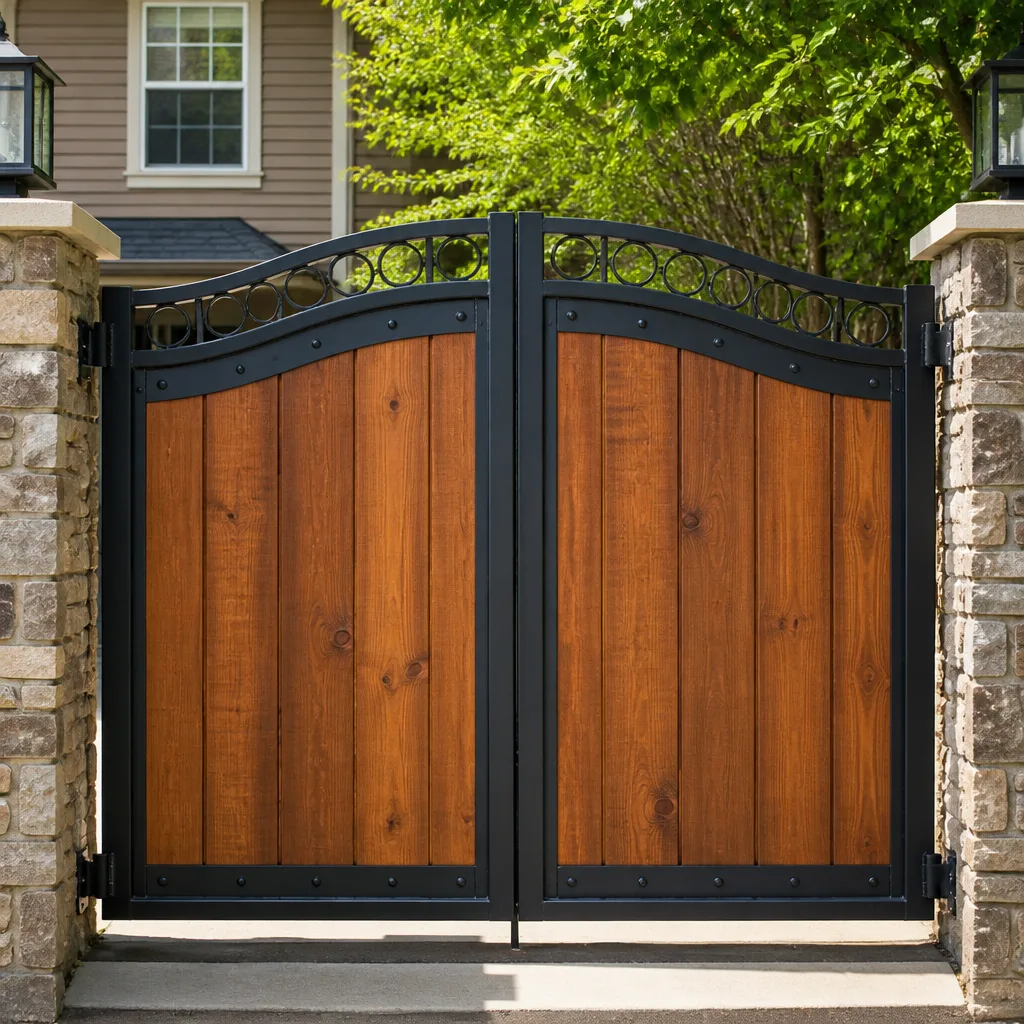 Wood & steel frame
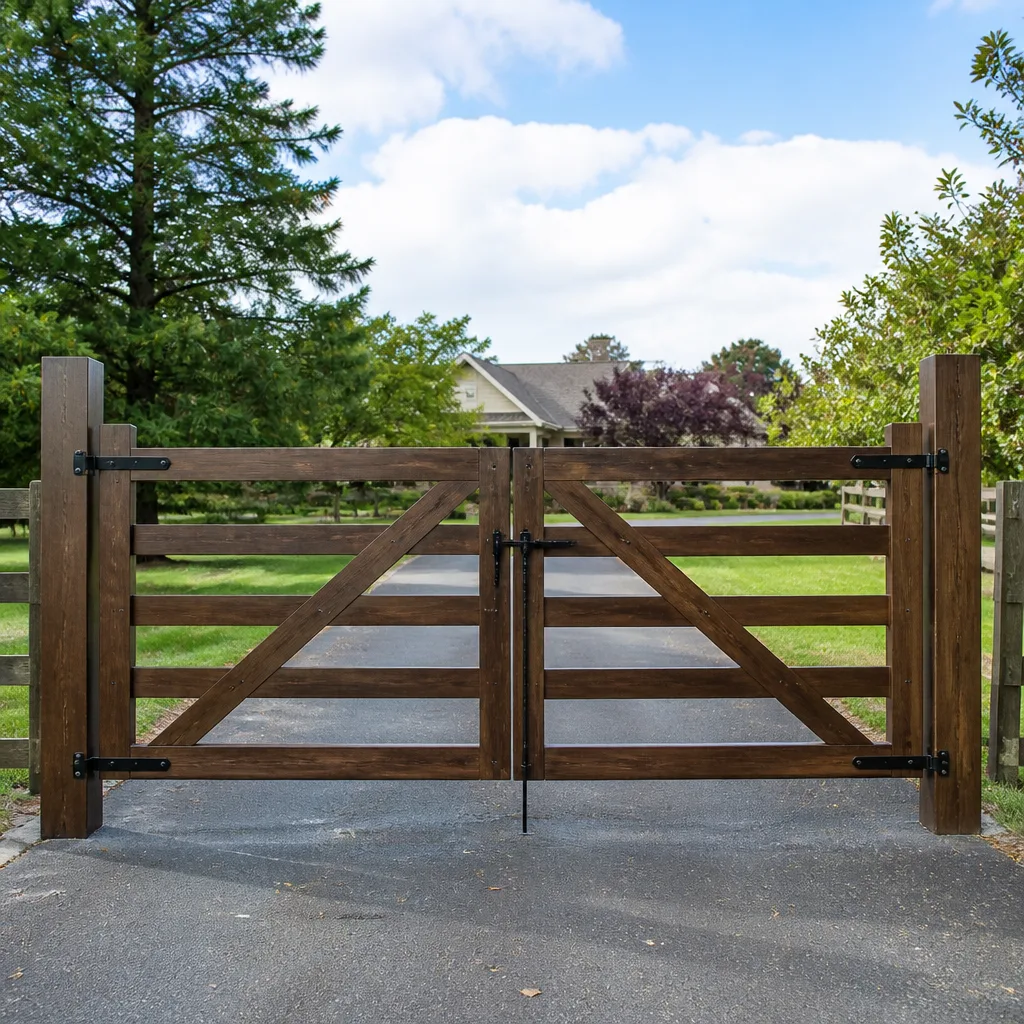 Farm & ranch
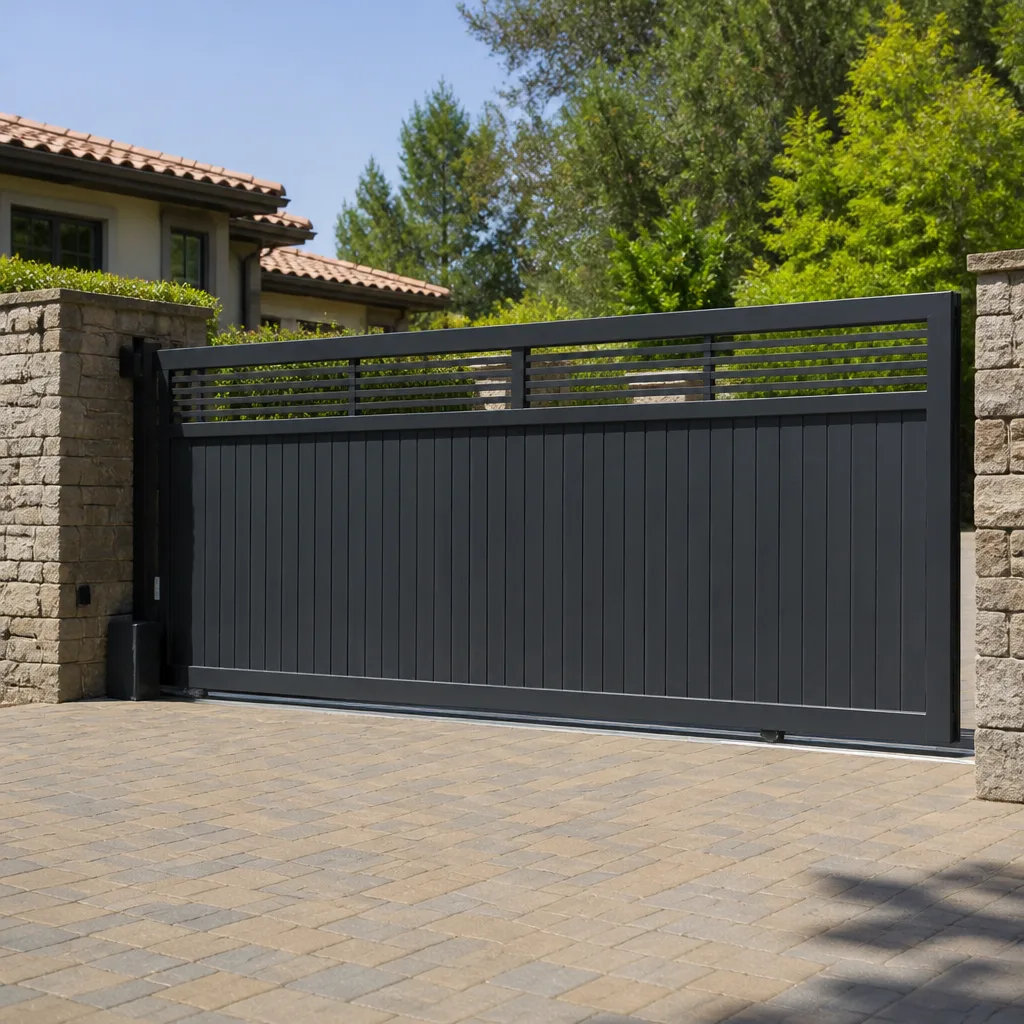 Sliding driveway gates
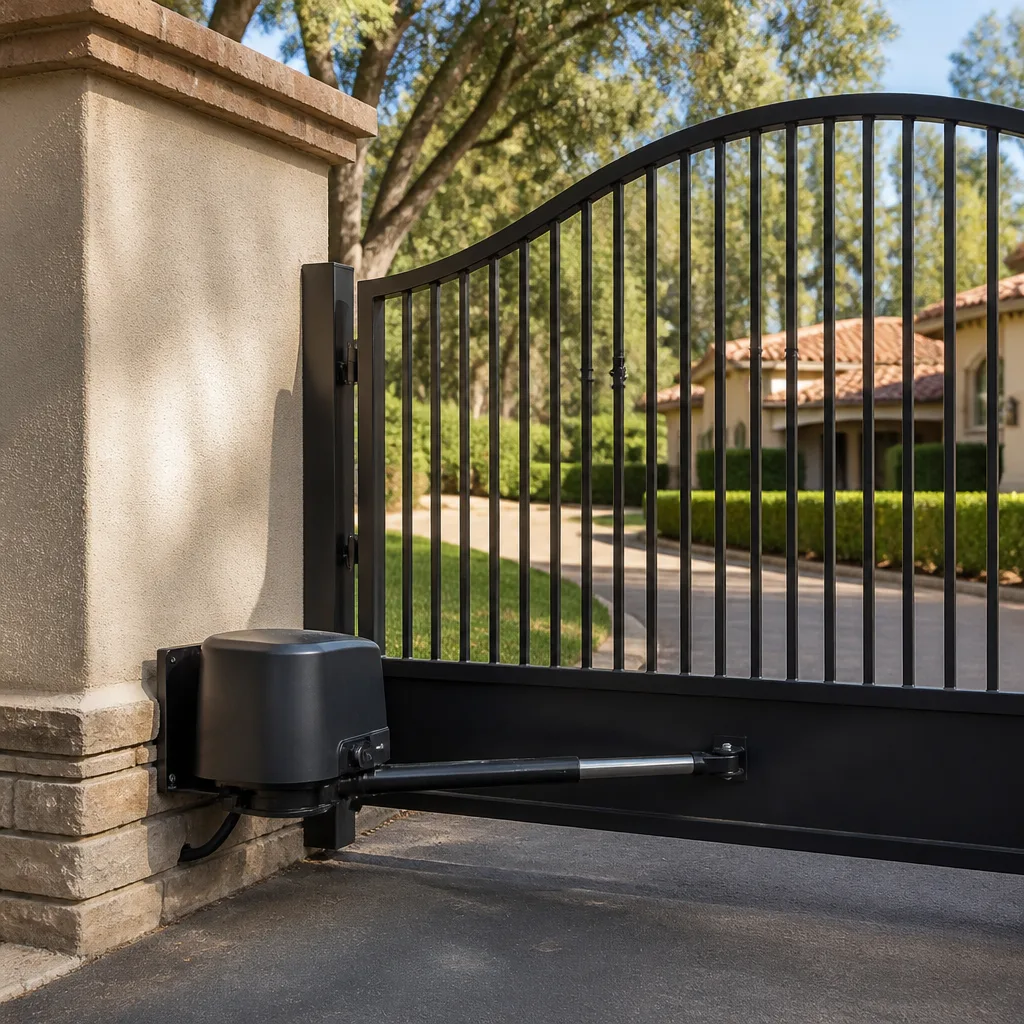 LiftMaster operators
Free on-site gate assessment - hinges, posts, and your LiftMaster or Nice gate operator checked before anything is quoted
The assessment is free and the quote is the invoice.
Get your free estimateGate Repair Warning Signs: A Westminster Homeowner’s Reference Guide
A gate that hesitates for half a second before it moves has already started to fail. That pause is the operator pulling extra current against a mechanical resistance the system wasn’t built to absorb, and it’s counting down toward a burned-out motor board. Most homeowners only notice a gate once it stops dead. By then the small fix has become the big one. This guide is about the weeks and months before that moment: the sounds, speeds, and behaviors that tell you something’s wrong while it’s still cheap to correct. We work on gates across Westminster and we’ll show you what to listen and look for.
Quick Answer
Gate repair warning signs in Westminster usually show up as slow or jerky movement, unusual grinding or popping sounds, a gate that reverses for no clear reason, warning codes on the operator’s control board, or visible post and footing movement at ground level. Catching these early keeps a repair in the adjustment range instead of the full operator replacement range. If you notice any of them, have the gate looked at before it fails completely.
Styles & brands we work with
- Wrought iron
- Wood & steel frame
- Farm & ranch
- Sliding driveway gates
- LiftMaster operators
Table of Contents
- The Sound Profile: Hinge, Roller, or Motor Under Load
- Why a Gate Hesitates: The Half-Second Pause That Matters
- Gate Reversal for No Reason: What the Sensor Is Really Telling You
- Reading Control Board Warning Codes Before Failure
- The Three-Minute Ground-Level Check
- Why Intermittent Failures Are the Most Dangerous Kind
- Westminster Conditions That Accelerate Gate Wear
- Operator Brands and How Their Failure Patterns Differ
The Sound Profile: Hinge, Roller, or Motor Under Load
You can diagnose a surprising amount of gate trouble by ear, because three different failure points each make a distinct sound. Learning to separate them tells you where the problem lives before anyone opens a toolbox. In our experience, homeowners describe them all as “a weird noise,” but they’re not the same thing.
Here’s how to tell them apart.
- A failing hinge makes a sharp creak or squeal that rises in pitch as the gate swings. It’s usually worst at the start of travel and eases off once the gate is moving. The metal is binding in the pivot, and if you ignore it the hinge pin wears oval and the gate starts to sag at that corner.
- A roller on its last legs produces a rhythmic rumble or a scraping grind that repeats with each pass over the same spot on the track. It’s a rolling sound gone flat. Worn rollers also let the gate drop slightly, which throws the whole track alignment off.
- A motor under excess load hums louder and deeper than usual, and the pitch climbs as it strains. You might hear a buzz that continues for a second after the gate stops, or a clunk as the operator disengages. This is the operator working against resistance it wasn’t designed for, and it’s the sound that ends in a burned board.
If the sound is a rhythmic grind, look at the rollers and track. If it’s a creak at a pivot, look at the hinges. If the operator itself sounds like it’s laboring, stop running the gate and get it checked, because every cycle adds wear to the control board. We work on the brand you have, so the diagnosis matches your actual operator rather than a guess.
Why a Gate Hesitates: The Half-Second Pause That Matters
A gate that pauses before it opens or closes is drawing excess current. The operator expects a certain amount of mechanical resistance and supplies the torque to overcome it. When a hinge binds, a roller seizes, or the gate settles out of alignment, resistance climbs. The operator answers by pushing harder, and that extra current runs through the motor and control board on every single cycle. The half-second pause is the system telling you it’s working harder than it should.
The same logic explains a gate that moves in a jerky, stop-start rhythm or that seems to “catch” partway through travel. None of this is normal. A healthy automated gate should move smoothly and at a consistent speed from one end of its travel to the other.
What makes hesitation worth acting on is the compounding. A binding hinge that gets a simple adjustment early stays a small job. Left alone, the constant strain can cook a motor winding or a control board, and now the repair includes the operator itself. We diagnose before we quote, which means we find the source of the resistance rather than just replacing the part that finally gave out.
If your gate has developed a hesitation, don’t keep cycling it hoping it clears. Each run pushes more current through the board. Call (833) 348-9387 and we’ll take a look. We answer 24/7 and offer free estimates.
Gate Reversal for No Reason: What the Sensor Is Really Telling You
A gate that reverses mid-travel for no apparent reason is usually reporting a mechanical problem through its safety system. The sensors and the operator’s obstacle detection are doing their job. They’ve detected resistance or a break in the safety beam and interpreted it as an obstruction, so the gate backs off. What you experience as a ghost malfunction is the system refusing to close on something it thinks is in the way.
The usual causes split into a few groups.
- Safety sensor misalignment or obstruction: the photo-eye beam between the two sensors is broken by dirt, a spider web, a shifted bracket, or sun angle at certain times of day. The gate reverses because the beam reads as blocked.
- A mechanical bind the operator reads as resistance: a stiff hinge, a dragging roller, or a gate that’s dropped on its hinges creates enough drag that the obstacle detection triggers.
- Ground shift or settling: a post that’s moved slightly can pull the gate out of square, so it binds at one point in its swing. The reverse happens at the same spot every time, which is your clue.
- A failing sensor or a damaged wire: the sensor itself has gone bad or the low-voltage wire to it is nicked or wet.
Notice when the reversal happens. If it’s always at the same position in the gate’s travel, suspect a mechanical bind. If it’s random or weather-dependent, suspect the sensors. Either way, don’t defeat the safety system to make the gate close. That’s the one “fix” that turns a nuisance into a hazard.
Reading Control Board Warning Codes Before Failure
Most modern operators store fault codes, and those codes appear on the control board or a display before the gate quits entirely. Reading them early is one of the most useful habits a gate owner can build. Here’s how to check yours.
- Locate the control board. It sits inside the operator housing, usually behind a cover. You don’t need to open anything live to read a display, but if you have to remove a panel near wiring, leave it to a technician.
- Look for a display or a blinking LED pattern. Many operators use a small screen that shows a number or a short code. Others flash an LED a set number of times in a repeating pattern, and the count corresponds to a fault.
- Write down exactly what you see. The number of blinks, the code on the screen, and what the gate was doing when it happened. That record shortens the diagnosis.
- Cross-check against your operator’s manual. The manual maps codes to categories like obstruction, limit, or sensor faults. If you don’t have the manual, tell us the brand and model when you call.
- Don’t clear codes and assume it’s fixed. A cleared code that comes back is telling you the underlying problem is still there.
The three operators we see most in Westminster are Linear, Viking, and DoorKing, and each reports faults a little differently. Linear units tend to use LED blink patterns. Viking operators commonly show codes on a display or a diagnostic LED. DoorKing commercial-grade boards often log faults you can review. Knowing which one you have matters, because you can’t read a code correctly if you’re looking at the wrong indicator. This is exactly the kind of thing a gate specialist sorts out quickly and a generalist guesses at.
The Three-Minute Ground-Level Check
Some of the most serious gate problems start at ground level, and you can spot the early signs with no tools in about three minutes. Post movement and footing trouble are the structural issues that turn a repair into a rebuild, so this check is worth doing regularly.
Walk the gate line and look at these points.
- The base of each post: is there a widening crack in the concrete, or a gap where the post meets the slab? A hairline is normal. A crack that’s opening up is not.
- Soil around the footing: look for erosion, a depression, or a soft spot where water pools. Soil washing away from a footing lets the post shift.
- Gate alignment: with the gate closed, check the gap between the gate and the post on both sides. It should be even and consistent. A gap that’s wider at the top or bottom means the gate has dropped or the post has moved.
- The latch and strike: if the gate no longer meets the latch cleanly, or the latch has started to catch, something has shifted.
- The track or the swing path: for a slide gate, look for the track lifting, sinking, or collecting debris. For a swing gate, watch the bottom edge clear the ground evenly across the swing.
Westminster’s freeze-and-thaw cycles work on footings all winter. Water gets into a small crack, freezes, expands, and opens it further. By spring a post that was fine in fall has moved a quarter inch, and the gate binds. That’s why the ground check matters most after a hard freeze and again once things thaw. Catch the movement early and re-setting a footing or re-aligning a gate is manageable. Let it go and the operator pays the price through constant strain.
If you spot post movement, don’t try to muscle the gate back into line with the operator. Have it assessed. Our gate repair service covers exactly this kind of structural adjustment.
Why Intermittent Failures Are the Most Dangerous Kind
A gate that “usually works fine” is the most hazardous gate on the property, and it’s also the hardest and most expensive to diagnose once it finally quits. The danger is simple: an intermittent fault means the gate is unpredictable. It might reverse on a car, fail to close behind you, or stop halfway, and the one time it does is the time someone is standing in the path. A gate that reverses unexpectedly is a crushing hazard, and the safety system that’s supposed to prevent that is exactly what’s misfiring.
Intermittent problems are also a diagnostic headache. When a gate fails completely, the fault is present and you can find it. When a gate fails one time in twenty, a technician has to chase a fault that isn’t there at the moment of inspection. The likely culprits are loose connections, a sensor that intermittently loses its beam, a control board with a marginal component, or a mechanical bind that only shows up in certain temperatures. That kind of chasing takes time, and it’s why a repair that would have been quick becomes an involved job.
The safest approach with an intermittent gate is to stop treating it as a fluke. Note what happens and when: does it fail more in the heat, the cold, the morning, after a lot of cycles? That pattern is diagnostic gold for the technician. And if a gate is reversing unpredictably, keep people and vehicles clear of it until it’s checked.
Westminster Conditions That Accelerate Gate Wear
Gates here live outdoors in a climate that’s hard on metal, concrete, and electronics, and knowing the local patterns helps you predict where trouble will show up first. Westminster’s front-range weather swings from hot dry summers to deep freezes, and the ground moves with it.
Freeze-and-thaw is the biggest one. It opens cracks in footings, heaves the ground under tracks, and works fasteners loose. That’s why post movement and out-of-square gates are common here by late winter. Dust and grit blow into tracks and hinges through the dry months and act like sandpaper on rollers and pivot pins. Summer heat expands metal and stresses a motor that’s already working hard. Then the thaw and the first cold snap stress everything again.
What this means for a Westminster homeowner is that the ground-level check and the sound profile are worth reviewing on a seasonal rhythm rather than waiting for something to break. The operators themselves take the cumulative hit. If you want a broader view of when to bring in help versus when to just monitor, our guide to electric gate repair covers the failure patterns we see most. Neighbors in nearby Highlands Ranch face the same seasonal wear, so the same early-warning habits apply across the area.
Operator Brands and How Their Failure Patterns Differ
Different operators fail in characteristic ways, and knowing yours helps you interpret what you’re hearing and seeing. A gate specialist who works across platforms reads those patterns quickly. A generalist who mostly sees one brand tends to see every problem through that lens.
We work on the brand you actually have. That’s the whole point of being brand-agnostic: the recommendation fits your gate, not whatever’s easiest to stock on the truck. We’re experienced with LiftMaster, FAAC, BFT, Linear, Viking, Ghost Controls, DoorKing, Elite, and Mighty Mule systems. On the residential side, Linear and Viking units are common, and Ghost Controls operators show up on a lot of driveway gates. DoorKing is the name you’ll see on a lot of the commercial and multi-unit automated gates around Westminster. Each has its own control board layout, its own fault-reporting method, and its own wear points.
What that means for diagnosis is that the warning code you see, the way the operator disengages, and the parts that wear are specific to your model. If you can tell us the brand and model when you call, we come prepared. If you can’t, we identify it on the visit. Either way, the diagnosis drives the quote. From a single broken hinge to a full automated system installation, it’s the same process: find the real fault, then price the fix. You can read more about the full range of what we do at the main Westminster Gate Repair page.
Common Mistakes to Avoid
- Waiting for total failure before calling. The whole point of this guide is that the warning signs come first. A gate that hesitates is telling you something; don’t wait for it to quit.
- Defeating the safety sensors to get the gate to close. Disabling photo-eyes or obstacle detection removes the one thing protecting people from a reversing gate. If the gate reverses, fix the cause, don’t override it.
- Clearing fault codes and assuming the problem is gone. A cleared code that comes back means the underlying fault is still there. Codes are information, not the problem itself.
- Greasing everything and calling it maintenance. Slapping grease on a binding hinge or a worn roller can mask the fault while the wear continues. Properly, worn parts get replaced and the geometry gets corrected, not buried in lubricant.
- Forcing a dropped or misaligned gate with the operator. Running a gate that’s out of square pushes the motor harder every cycle and shortens its life. Stop and get it aligned.
- Ignoring post movement because the gate still works. A footing that’s shifting is a structural problem that grows. The gate working today doesn’t mean it will in another freeze cycle.
- Hiring a generalist who’ll take a guess. Gate operators and control systems are a specialty. A contractor who mostly does other work may replace the wrong part, and Westminster homeowners end up paying twice.
See the difference
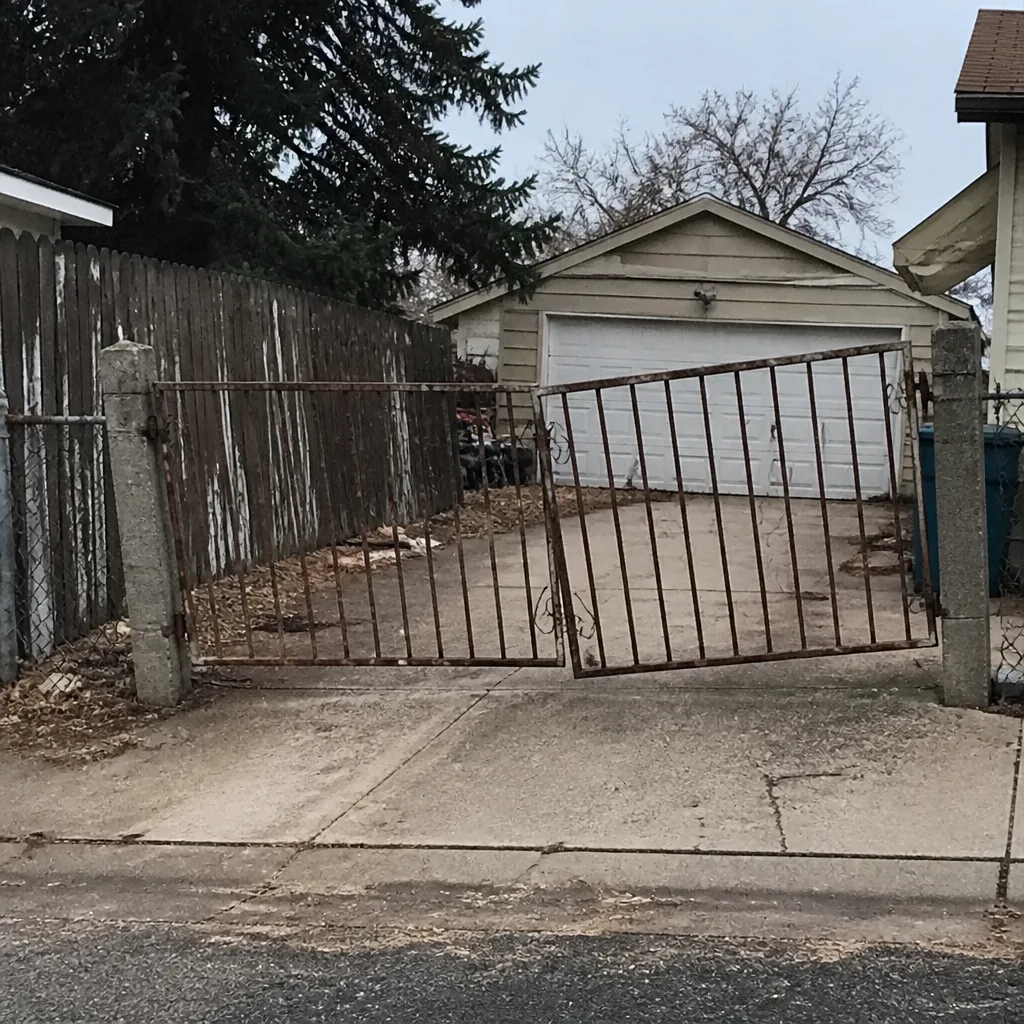 Before
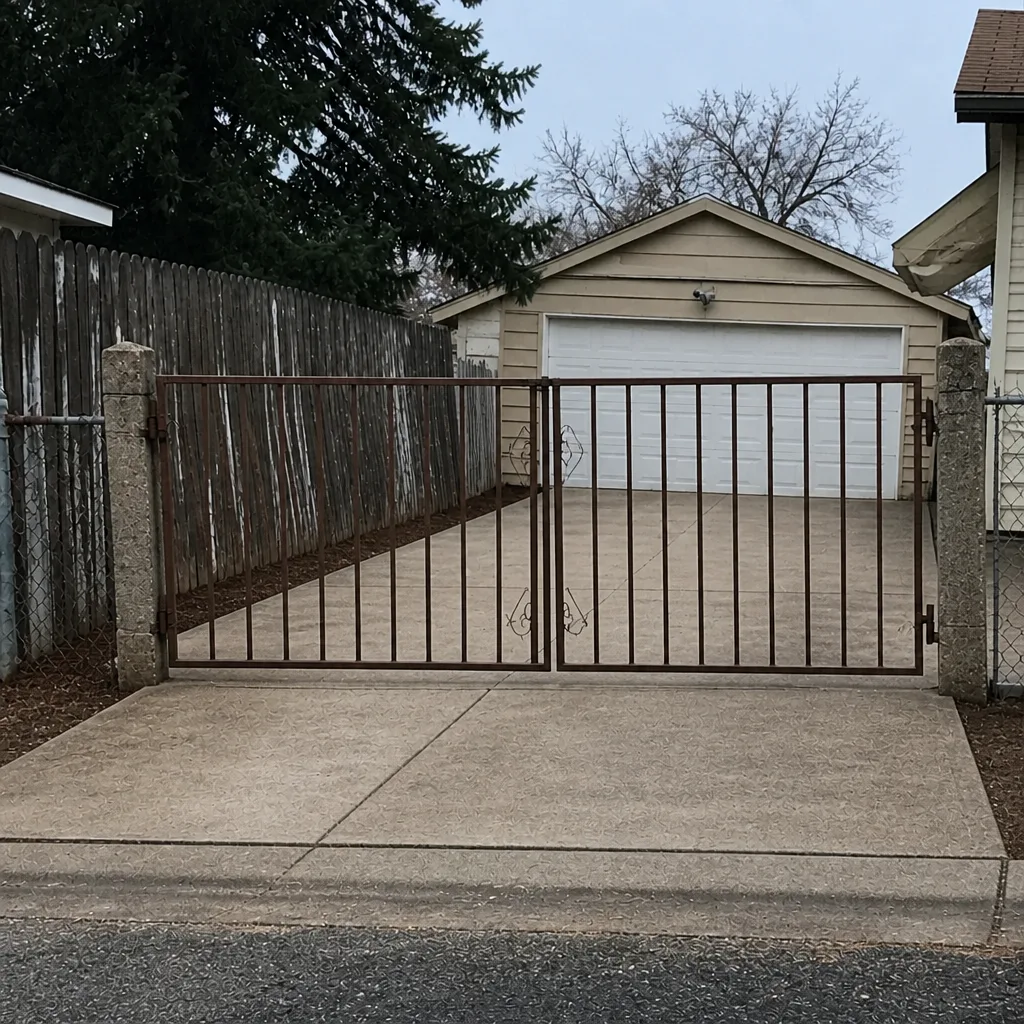 After
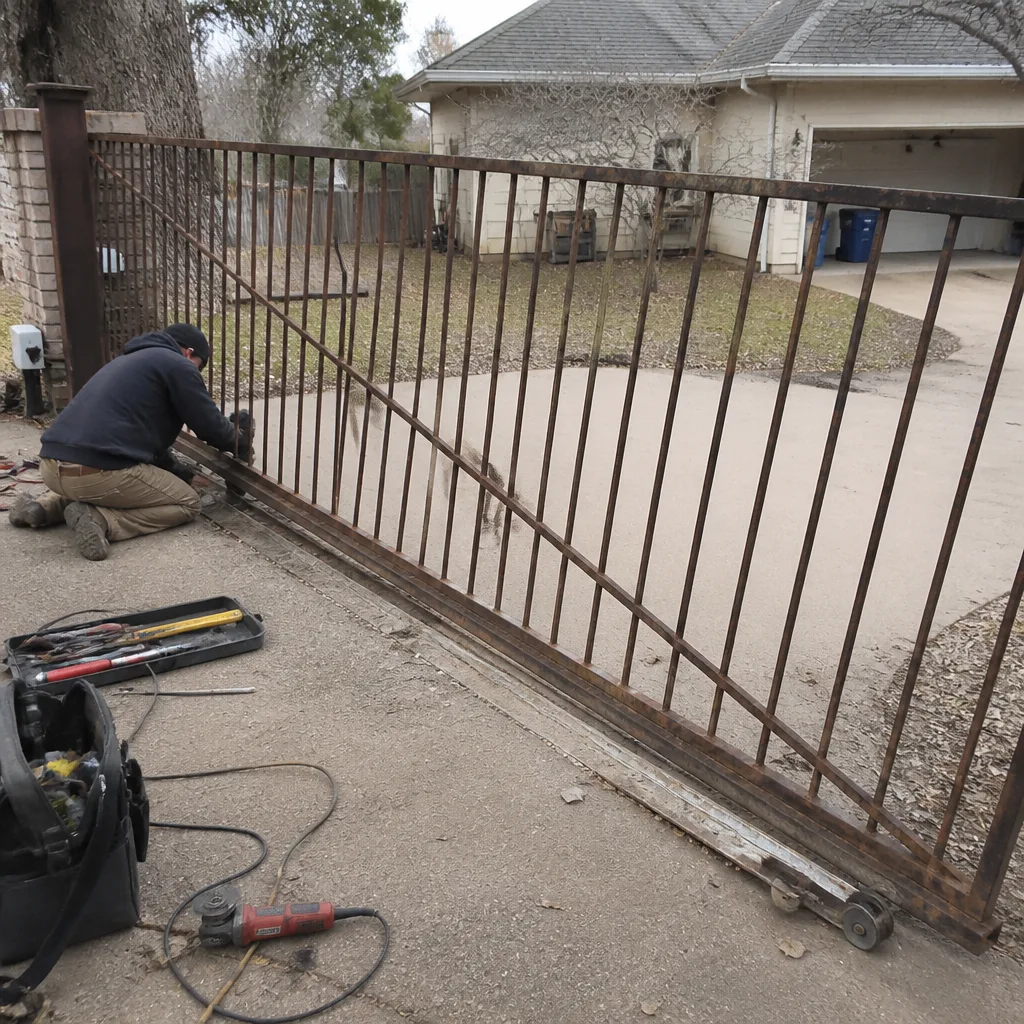 Before
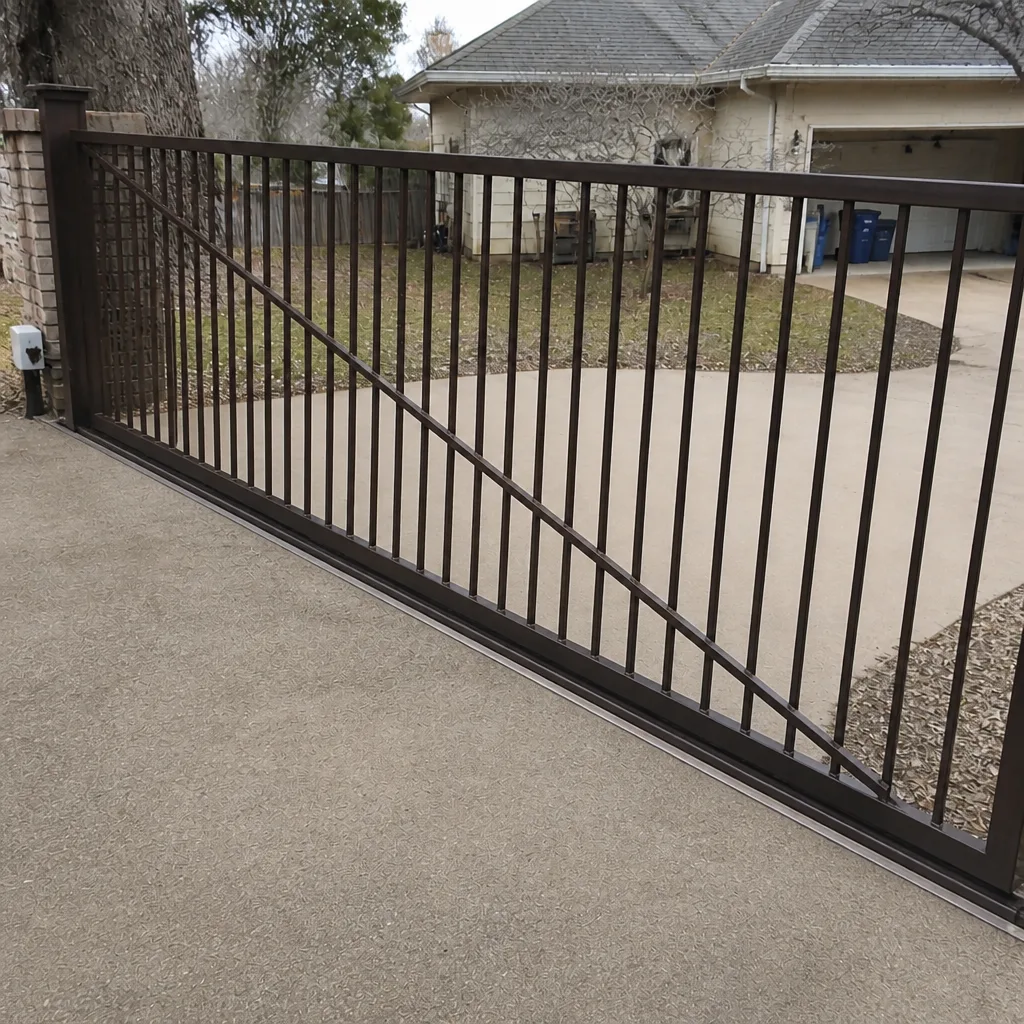 After
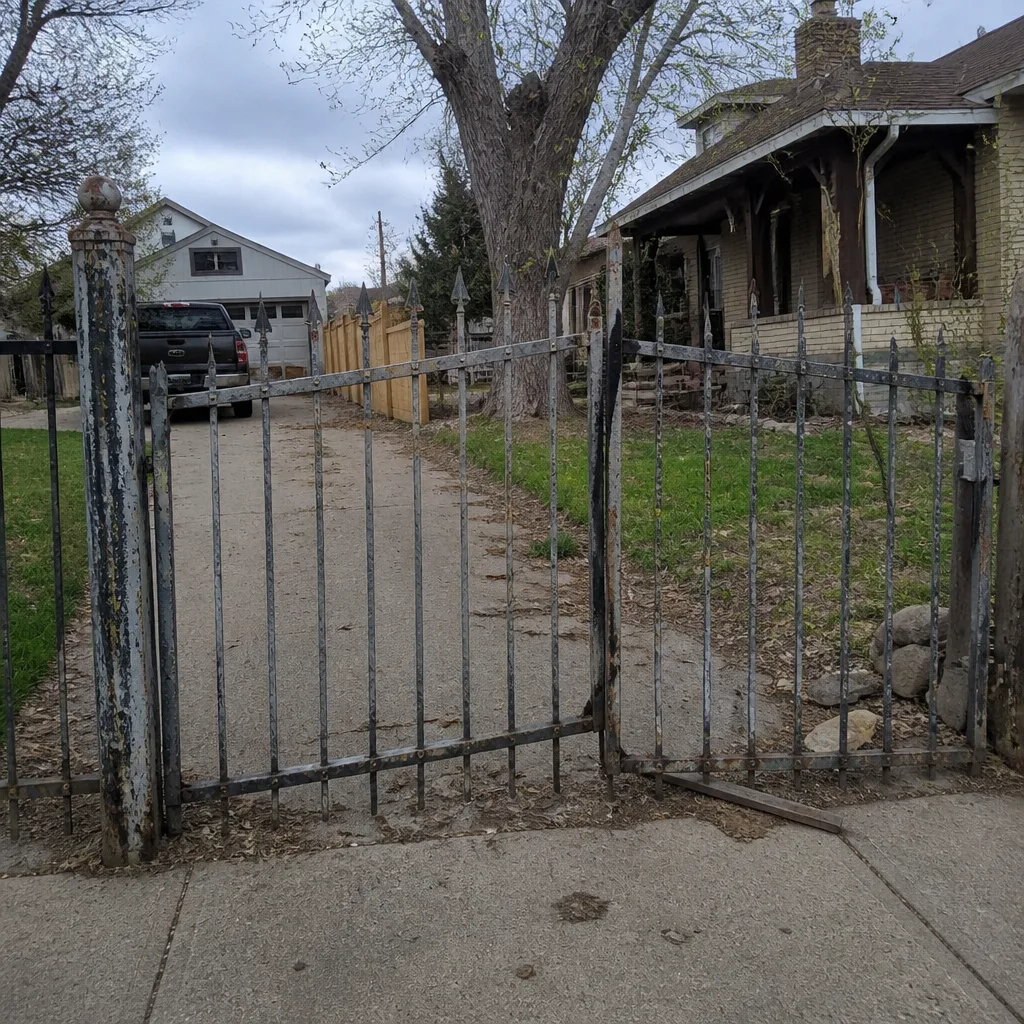 Before
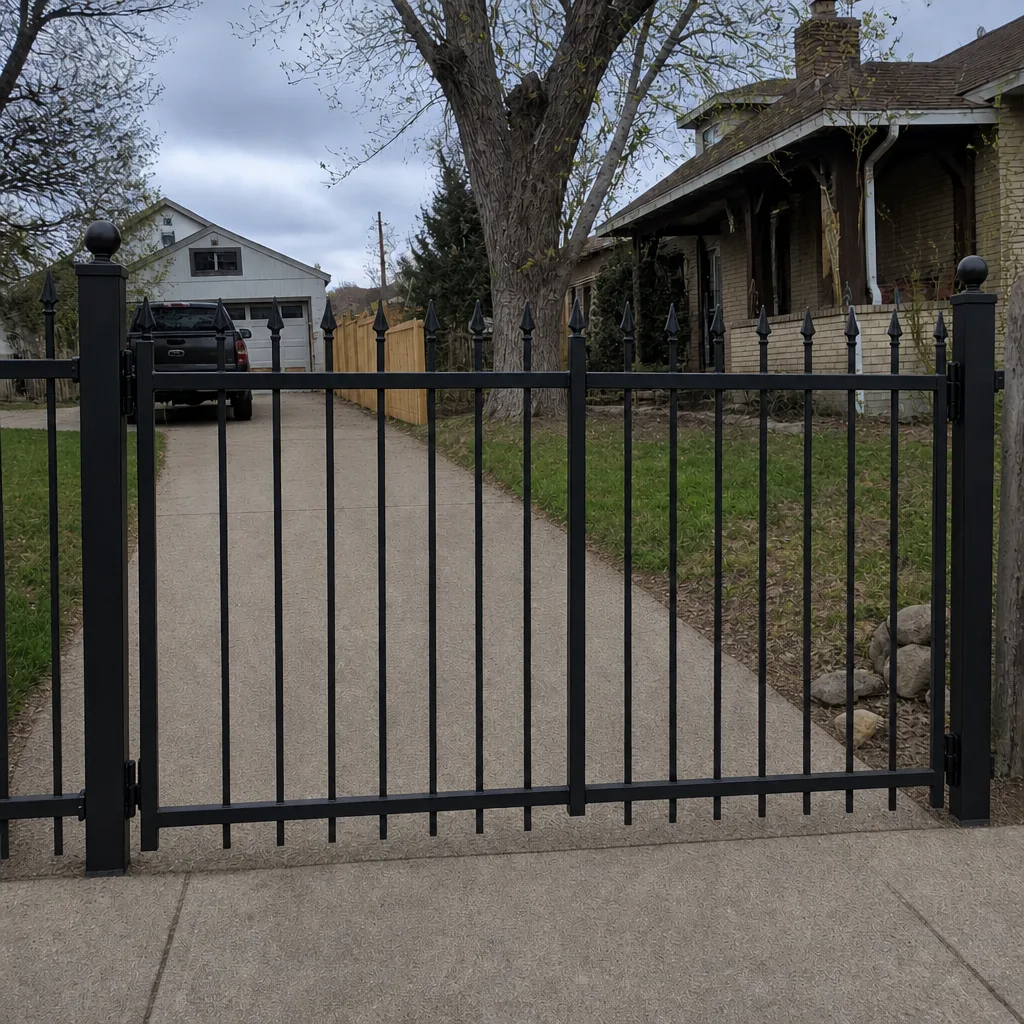 After
When to Call a Professional
Some warning signs you can monitor. Others mean stop and get a technician out. Call us when the gate reverses unpredictably, when the operator sounds like it’s straining, when a control board shows a fault code that returns after clearing, when you see post or footing movement, or when the gate has simply stopped. Also call if the gate is dangerous in any way: a slide gate that’s come off its track, a swing gate that’s dropped onto the ground, or a reversing gate near a driveway where kids or pets are present. These are safety issues and shouldn’t wait. Installing or replacing a gate or operator is measured, ordered, and scheduled work, so for that we’ll set up a free on-site measure and a written price rather than promise a same-day fix. Westminster Gate Repair offers free estimates in Westminster. Call (833) 348-9387. We answer 24/7, and dispatch runs 7am-7pm, Sunday through Friday.
Frequently Asked Questions
The earliest signs are usually a slight hesitation before the gate moves, a new or changed sound from the hinges, rollers, or operator, and a gate that moves at an uneven speed. Post or footing movement at ground level often shows up around the same time. Catching any of these early keeps the repair small.
A gate that reverses on its own is almost always reporting a problem through its safety system. The sensors have detected a broken beam or the operator has sensed resistance it reads as an obstruction, so it backs off. Common causes are misaligned or dirty photo-eyes, a mechanical bind, a shifted post, or a failing sensor. Have it checked rather than overriding the safety system. Call (833) 348-9387 for a free estimate.
You can read and record a fault code, and that’s worth doing. Diagnosing and repairing the board itself is a specialist job, and clearing codes doesn’t fix the underlying fault. If a code returns after you clear it, that’s your signal to call. We answer 24/7 at (833) 348-9387.
Check the gap between the gate and each post with the gate closed. It should be even on both sides and consistent top to bottom. Look at the concrete at the post base for widening cracks, and at the surrounding soil for erosion. If the gate no longer meets the latch cleanly, something has shifted. A three-minute ground-level check catches most of it.
Yes. An intermittent gate is unpredictable, which makes it a safety risk, and intermittent faults are harder to diagnose once the gate fails completely. Note when the problem happens, such as in heat, cold, or after many cycles, and keep people clear of the gate until it’s checked. Call (833) 348-9387 to book a look.
Most likely, yes. We’re experienced with LiftMaster, FAAC, BFT, Linear, Viking, Ghost Controls, DoorKing, Elite, and Mighty Mule systems, and we work on the brand you have rather than steering you to a substitute. Tell us the brand and model when you call and we’ll come prepared. Free estimates in Westminster: (833) 348-9387.
The Bottom Line
Every gate failure sends signals first. A hesitation, a changed sound, a random reversal, a fault code, a crack at the base of a post: these are the gate telling you something’s wearing or shifting before it becomes an emergency. The households that act on the early signs deal with adjustments and small repairs. The ones that wait deal with burned-out operators and structural fixes. Get in the habit of listening to your gate and doing the three-minute ground check after each freeze. When you hear or see something off, get it looked at. In Westminster, we’re gate specialists, and we diagnose before we quote. From a single broken hinge to a full automated system installation, we cover it.
Westminster Gate Repair handles gate repair, electric gate repair, and full gate installation for homeowners and property managers across Westminster and the surrounding area. We’ve been serving Westminster since 2018. If your gate is showing any of these warning signs, don’t wait for it to quit. Call (833) 348-9387 for a free estimate. We answer 24/7, and fast dispatch runs from 7am to 7pm, Sunday through Friday. The price is set by the written estimate, quoted and agreed before any work starts, so you know the number before we touch the gate.
Written by the team at Westminster Gate Repair, serving Westminster since 2018.