
Last updated November 14, 2026
 Wrought iron
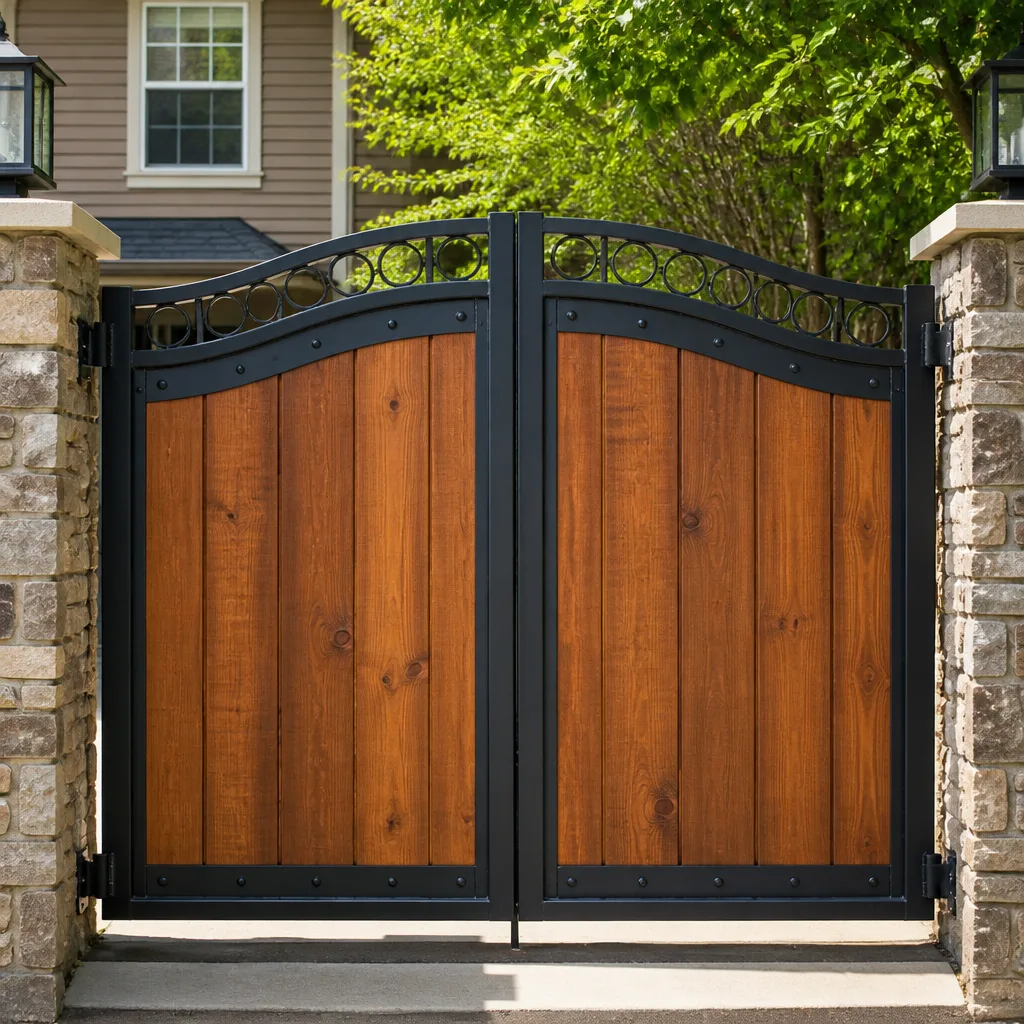 Wood & steel frame
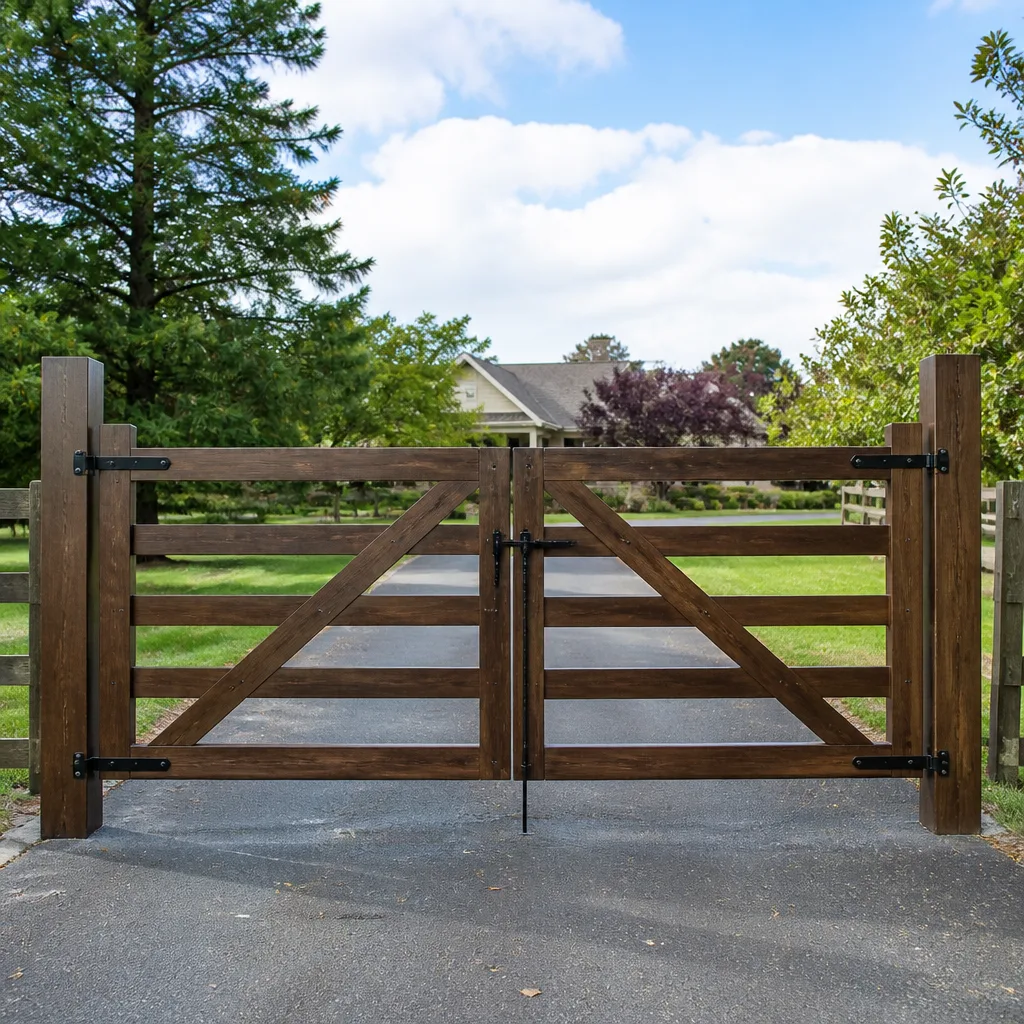 Farm & ranch
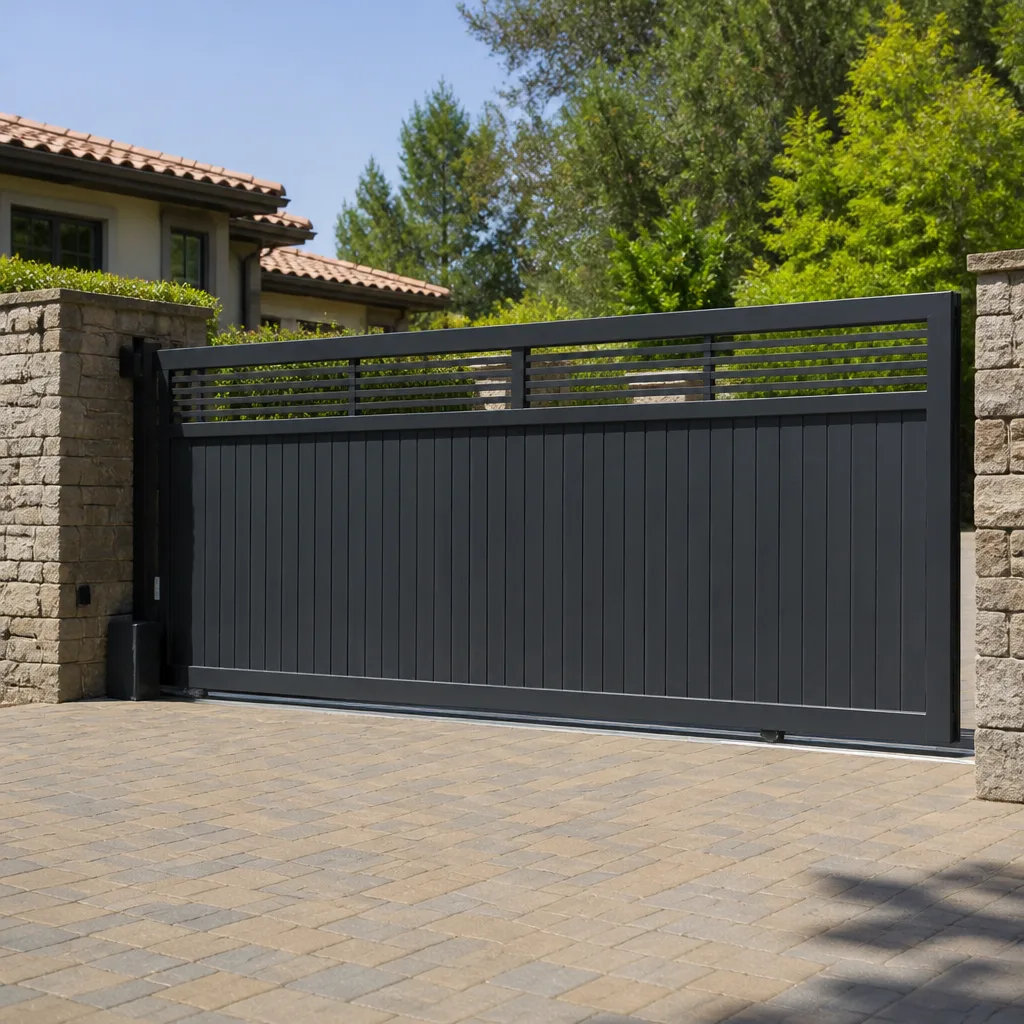 Sliding driveway gates
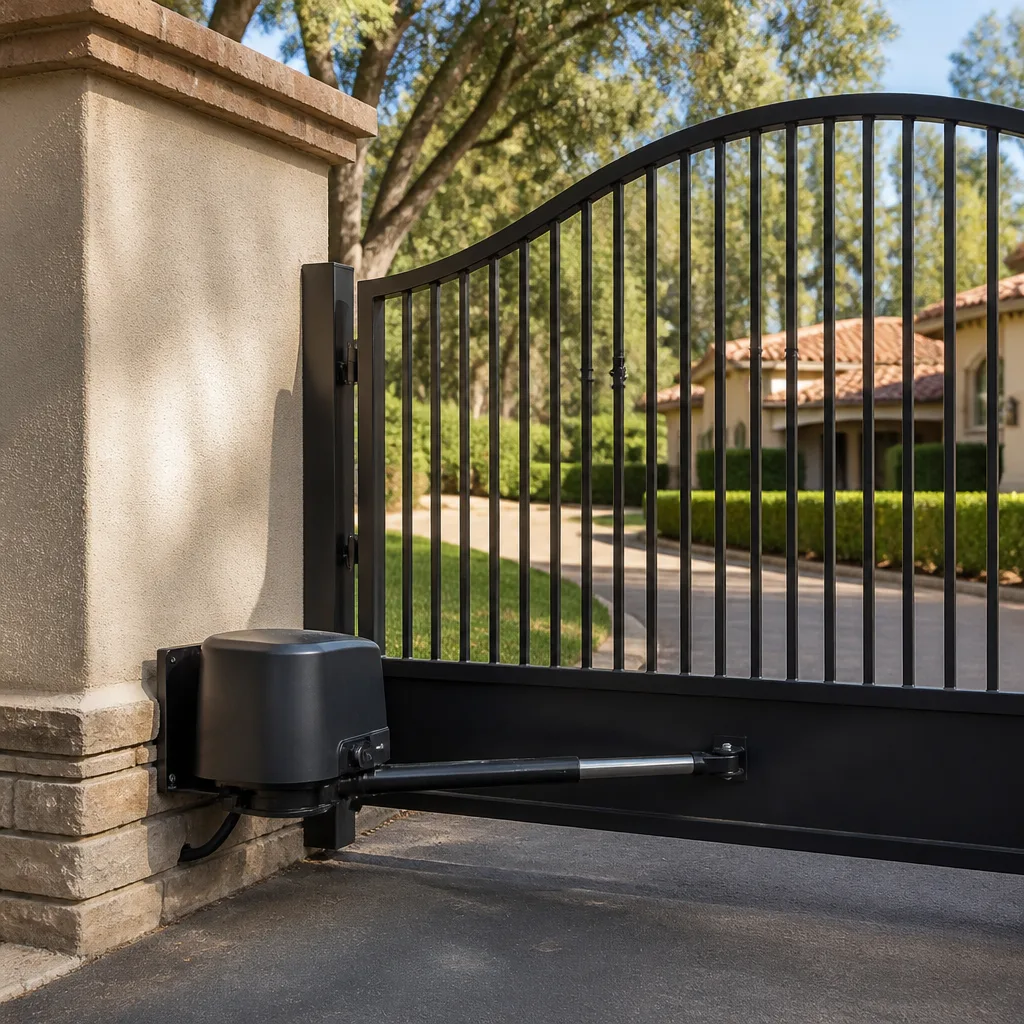 LiftMaster operators
Free on-site gate assessment - hinges, posts, and your LiftMaster or Nice gate operator checked before anything is quoted
The assessment is free and the quote is the invoice.
Get your free estimateGate Repair Permits, Codes & Inspections in Westminster, CO: What You Need to Know
Here’s the part almost nobody tells you: replacing the operator on your automated gate is often a permitted improvement, not a repair. Most homeowners assume that because the gate was already there, swapping the motor counts as maintenance. It usually doesn’t. The permit question sits in a gray zone between what you’ll hear from a gate company and what you’ll hear from the city, and that gray zone is where insurance claims go to die. In this guide we’ll map exactly when gate work crosses into permitted territory in the Westminster area, how your HOA rules interact with municipal code, what UL 325 actually requires, and what an inspector looks for when they walk up to your gate.
Quick Answer
In the Westminster, CO area, routine gate repair (hinges, latches, sensors, control boards, operator swaps using like-for-like equipment) generally does not require a permit, but new gate installations, structural changes, and new electrical circuits or operators usually do. The catch is that permit thresholds vary by jurisdiction and by what your homeowner’s association requires, so the safe move is always to confirm with the city’s building department and your HOA before work begins. Skipping that step is what leaves homeowners exposed if a gate-related incident turns into an insurance claim.
Styles & brands we work with
- Wrought iron
- Wood & steel frame
- Farm & ranch
- Sliding driveway gates
- LiftMaster operators
Table of Contents
- Maintenance vs. Permitted Work: Where the Line Actually Sits
- How the Permit Threshold Works in Westminster and the Surrounding Counties
- When Your HOA Gate Specs Conflict With Municipal Code
- UL 325 Safety Standards: What Colorado Actually Requires
- What a Gate Inspection Actually Checks
- Retroactive Compliance: What to Do If a Gate Was Installed Without Permits
- What Permit-Related Gate Work Typically Costs
- Common Mistakes to Avoid
- When to Call a Professional
- Frequently Asked Questions
Maintenance vs. Permitted Work: Where the Line Actually Sits
The confusion starts with the word “repair.” A repair puts something back the way it was. A permitted improvement changes what’s there, adds a system where there wasn’t one, or makes a new electrical connection. Those are two different categories in the eyes of a building department, and they carry two very different paper trails.
Routine maintenance on an existing gate almost never pulls a permit. That includes:
- Adjusting or replacing hinges, rollers, and latches
- Repairing or replacing the control board inside an existing operator housing
- Replacing photo-eye sensors, safety edges, or warning placards on an existing system
- Tightening or re-welding a bracket on an existing gate frame
- Replacing a remote, keypad, or loop detector on an existing circuit
Permitted work usually covers:
- Installing a brand-new gate, or a new automated operator where none existed
- Running a new electrical circuit or extending power to a gate location
- Changing the structural design of a gate (width, height, material, swing vs. slide)
- Relocating a gate to a different position along the driveway or fence line
- Replacing an operator with one of substantially different capacity or type
The hardest case is the like-for-like operator swap. A homeowner replaces an aging LiftMaster swing operator with a new LiftMaster of the same capacity. Some jurisdictions treat that as repair; others treat a new electrical appliance on a gate structure as an improvement. We can’t give you a single answer that applies everywhere in Westminster, because the answer genuinely depends on the jurisdiction, the age of the existing install, and how the work is described on the application. What we can tell you is that calling the city’s building department before the swap is a fifteen-minute phone call that can save you a much longer headache later.
How the Permit Threshold Works in Westminster and the Surrounding Counties
Westminster straddles county lines in a way that trips homeowners up. Portions of the city sit in Adams County and portions sit in Jefferson County, and the surrounding metro includes Douglas County communities like Highlands Ranch. Each jurisdiction has its own building department, its own fee schedule, and in some cases its own interpretation of what counts as a gate improvement. What clears easily in one jurisdiction may need an application in another.
Rather than guess at a specific threshold (and there is no single statewide number we’d be comfortable printing), here’s the process that actually works:
- Identify the jurisdiction. Look up your address on your county assessor’s site. That tells you which building department has authority over the gate.
- Call the building department. Describe the work in plain terms: “I’m replacing an existing automated operator with a new one on an existing gate” or “I want to add a new automatic gate at my driveway entrance.”
- Ask two specific questions. Does this need a building permit? Does the electrical or low-voltage work need a separate electrical permit?
- Get the answer in writing if possible. An email confirmation from the department is worth keeping with your home records.
- Check your HOA separately. HOA approval is not the same as a municipal permit, and neither substitutes for the other.
For most Westminster-area homeowners, a new gate system or a new power run requires a permit. A repair on an existing gate typically does not. The gray middle (operator replacement, structural changes to an existing gate) is where you should call rather than assume. This is the same diagnosis-before-quote approach we use on the job: we look at the gate, we describe what’s actually there, and then we talk about what the city needs to see on paper.
When Your HOA Gate Specs Conflict With Municipal Code
In neighborhood communities around Westminster and the surrounding metro, homeowner’s association gate specifications can be stricter than the city code, and they can occasionally conflict with it outright. The rule that solves almost every conflict: the stricter standard wins, and both must be satisfied before the gate goes in. Municipal code sets the legal minimum. The HOA sets what your community will accept on top of that minimum. When they overlap, you have to meet both. When they conflict, you cannot build something the city won’t permit, and you cannot build something the HOA won’t approve, so the gate design has to be adjusted until it satisfies the municipal requirement and the HOA requirement at the same time.
Where HOA specs typically go beyond code:
- Setback requirements. HOAs often require the gate to sit a specific distance from the property line or from the street, sometimes for sight-line reasons.
- Operator type. Some communities specify swing vs. slide, or restrict certain operator brands or noise profiles.
- Finish and appearance. Color, material, and finish requirements that go beyond what the city cares about.
- Access control systems. HOA rules sometimes dictate how visitors and deliveries are handled, which affects which operators (DoorKing, LiftMaster, and others) are practical.
- Landscaping and sight-line requirements. Hedges or fencing that must accompany the gate installation.
The practical order of operations: read the HOA gate specification first, bring it to the discussion with the gate specialist, and only then finalize the design. If you order a gate that meets code but violates a finish requirement, you’re paying for a redo. In our experience working across the area, the HOA document is usually more detailed than the municipal permit application, so start there and work backwards to the city.
UL 325 Safety Standards: What Colorado Actually Requires
UL 325 is the national safety standard for automated gate operators, and it’s the standard most jurisdictions, inspectors, and insurance carriers reference even where local code doesn’t restate it. If your automated gate was installed or modified in a way that doesn’t meet UL 325, that’s a real liability gap. It’s also one of the first things an inspector will look at.
The standard, in practical terms, requires that any automated gate have at least one primary means of entrapment protection that prevents the gate from closing on a person or vehicle. In practice that means:
- Reversing sensors (photo eyes). A beam across the gate opening that detects an obstruction and prevents or reverses a close cycle.
- Edge entrapment devices (safety edges). A sensing edge along the closing edge of the gate that reverses on contact.
- Warning placards. Visible signage on both sides of the gate warning of the automated movement and the entrapment hazard.
Many older or DIY-installed gate systems in the Westminster area are missing one or more of these. A gate with a working operator but no functioning photo eye is not compliant, and it’s the setup most likely to create a claim. This isn’t an area for shortcuts. A heavy gate panel driven by a motor has serious crushing force, and the safety devices are the only thing between the gate and a person or a car in the wrong place at the wrong moment. If your gate’s safety devices are missing, disconnected, or bypassed, that’s the first thing to fix.
An HOA or inspector won’t typically hand you a UL 325 compliance certificate. What they will ask is whether the required entrapment protection is present and functioning, and whether the required placards are posted. If you have a Mighty Mule or FAAC operator on your property and you’re not sure the entrapment protection was installed correctly, a trained technician can tell you in one visit.
What a Gate Inspection Actually Checks
A gate inspection is not the same as a standard residential electrical inspection. The electrical inspector cares about the power side: the circuit, the disconnect, the grounding, the conduit. A gate system inspection usually adds a walkthrough of the mechanical and safety side as well. Knowing what’s on the list lets you put a gate in the ground that passes the first time.
In our experience, inspectors consistently flag these items:
- Missing or non-functioning photo eyes. Sensors blocked, misaligned, or simply not wired in.
- Improper wiring methods. Low-voltage control wire run through the wrong conduit, exposed where it should be protected, or spliced in a way that fails code.
- Missing warning placards. The required entrapment warning signage is not present on both sides of the gate.
- Power source issues. A gate operator plugged into an unprotected outlet, or a circuit that doesn’t meet the electrical inspector’s requirements.
- Gate travel and clearance. The gate binds, doesn’t fully open or close, or clears the ground in a way that doesn’t match the plan.
- Operator capacity mismatch. An operator rated for a lighter gate than the one it’s driving, which is both a safety and a wear issue.
- Foundation and footing. Post footings that aren’t to proper depth for the gate and operator being installed, which shows up as sag or drift over time.
The walkthrough usually takes less than half an hour on a straightforward residential gate. What to have ready: the approved plans, the permit card, access to the operator housing, and the gate in a position where the inspector can cycle it. If the gate isn’t cycling properly, the inspection stops there and you’re rescheduling. That’s why we confirm the gate operates correctly before calling for inspection.
Retroactive Compliance: What to Do If a Gate Was Installed Without Permits
If you bought a home with an automated gate that was installed without a permit, or you had one installed years ago and the paperwork is missing, you can usually resolve it retroactively. It’s not a fast process, and it’s not a guaranteed outcome, but it’s a much better position than selling a property with an unpermitted structure that a buyer’s inspector flags a week before closing.
Here’s the sequence that generally works:
- Find out what the record actually says. Call the building department with your address and ask them to pull the permit history. You’ll often find out nothing was ever filed, which is better to know now than at closing.
- Document the existing installation. Photos of the gate, the operator, the foundation, the electrical connection, and the safety devices. A gate specialist can provide a written description of what’s there.
- Ask the building department about the process for bringing existing unpermitted work into compliance. Some departments call this an “as-built” process, others call it a permit after the fact, others reference a variance. The terminology varies; the call is the same.
- Address any life-safety deficiencies before inspection. Missing entrapment protection is the most common thing that holds up a retroactive approval. Get photo eyes, safety edges, and warning placards in place first.
- Complete the inspection and keep the record. Once approved, the permit becomes part of your home’s documented history and follows the property.
The insurance question is the one that motivates most homeowners to do this. If an automated gate is involved in an incident and it turns out the gate was installed or modified without required permits, an insurance carrier has a documented basis to dispute or deny the claim. That’s the buried detail worth knowing before you sell or before something happens. Retroactive compliance closes that gap. A gate specialist who sees the systems in this area regularly can help you put the documentation package together.
What Permit-Related Gate Work Typically Costs
The price of a permit and the price of the gate work are separate line items, and both are estimates that vary by jurisdiction and by the gate itself. We don’t print numbers we can’t stand behind. Here’s how the costs break down in general terms:
- Permit fee. Set by the building department, usually a base fee plus a valuation-based component. Westminster-area homeowners should expect the fee to be modest relative to the gate work itself, but the exact number comes from the city, not from us.
- Gate inspection and diagnosis. Priced per job after we look at the gate.
- Safety device additions (photo eyes, safety edges, placards). Priced per job, based on the operator and gate type. Multi-brand familiarity with operators like BFT, FAAC, and LiftMaster matters here, because the correct entrapment protection is matched to the operator, not a generic add-on.
- New electrical circuit or power run. Priced by a licensed electrician, not by us, but coordinated with the gate install.
- Retroactive compliance documentation. Priced per job once we’ve reviewed what the building department requires.
What we can commit to: the price is quoted and agreed before any work starts, the estimate is free, and we diagnose before we quote. If we find the gate doesn’t need a permit after all, we’ll tell you that and put it in writing. If it does, the estimate includes the work, and the permit is handled on the homeowner’s side with the city or through a coordinated plan with us.
Common Mistakes to Avoid
- Assuming “repair” means “no permit.” Replacing an operator is often perceived as repair, but it can be an improvement. Call the building department and ask directly; a fifteen-minute phone call is the cheapest insurance you’ll buy.
- Forgetting the HOA until after the gate is ordered. Municipal code and HOA specs are two separate approvals, and neither substitutes for the other. Read the HOA gate specification before you pick a gate or an operator.
- Skipping the safety devices to save a line item. A gate without functioning photo eyes, safety edges, and warning placards is both non-compliant and the exact setup most likely to produce a claim. The safety devices are the point.
- Using a generalist for an automated gate. Most of the gate problems that turn into permit or inspection issues in this area involve wiring, entrapment protection, or operator capacity mismatch, and those are specialist problems. A general handyman is not the right call for a LiftMaster or DoorKing operator.
- Assuming the old operator was installed with a permit. A lot of pre-owned homes in Westminster have gate systems that were installed by a previous owner with no paperwork. Pull the permit history before you assume you’re covered.
- Waiting until you’re selling to fix it. Retroactive compliance takes time and requires a documented process. Starting it months before a sale is far easier than starting it weeks before closing.
- Putting a gate on the wrong footing depth. Footing depth is measured, not eyeballed. A post that drifts or sags over time is a much bigger problem to fix than to get right the first time.
When to Call a Professional
Call a gate specialist when the operator itself is the question, when the safety devices aren’t working or are missing, when the gate binds or sags, when the wiring looks questionable, or when you’re trying to figure out what’s actually on the property before you buy or sell. Automated gate systems are the one part of a property where a wrong guess has real consequences: an operator wired incorrectly, a safety edge bypassed to stop the gate from tripping, or a heavy gate panel driven by an operator that isn’t rated for it. None of those are DIY territory. Westminster Gate Repair offers free estimates in Westminster. Call (833) 348-9387. We answer 24/7. Fast dispatch from 7am to 7pm, Sunday through Friday.
Frequently Asked Questions
Usually not. Routine repair (hinges, latches, sensors, control boards, and like-for-like parts replacement) generally doesn’t require a building permit. New installations, new electrical circuits, structural changes, or a substantially different operator usually do. Confirm with your jurisdiction’s building department before the work starts. Call (833) 348-9387 for a free diagnosis if you’re not sure what your gate needs.
It depends on the jurisdiction and on whether the new operator is a like-for-like replacement or a different type or capacity. Some building departments treat a straight swap as repair and others treat it as an improvement. The safest move is to call the building department and describe the exact work; they tell you what they want to see. If you’d like a second opinion on what’s actually on your gate before you call, we can look at it, and the estimate is free.
At minimum, an automated gate needs entrapment protection: reversing sensors (photo eyes) across the gate opening, safety edges along the closing edge, and warning placards on both sides. This is the UL 325 standard that inspectors and insurance carriers reference. If your gate is missing any of these, that’s the first thing to fix. Call (833) 348-9387 to have a technician look at what’s installed.
You can usually bring it into compliance retroactively. Pull the permit history with the building department, document the existing installation, address any safety deficiencies, and complete the inspection process the department requires. The reason it matters: an insurance carrier can dispute a claim if the gate involved was installed without required permits. If you’re planning to sell a Westminster property with an automated gate, start this process early rather than at closing.
No. Your HOA can be stricter than the city code, but it cannot authorize work the city won’t permit. When the two conflict, the gate design has to satisfy both. Read the HOA specification first, then confirm with the building department, then finalize the gate and operator selection.
The price is set per job by a written estimate, and it depends on what’s actually missing: photo eyes, safety edges, placards, a new power run, or a different operator. We diagnose before we quote, and we tell you what the gate actually needs rather than what’s easiest to sell. Call (833) 348-9387 for a free estimate. We answer 24/7. Fast dispatch from 7am to 7pm, Sunday through Friday.
The Bottom Line
The permit question on a gate isn’t a technicality. It’s the paper trail that determines whether your insurance carrier has grounds to deny a claim, and it’s the record a buyer’s inspector will pull before closing. Confirm your jurisdiction, read your HOA gate specification, keep the safety devices on the gate, and get the inspection done. If you’re not sure what your gate actually has on it, a trained specialist can tell you in one visit. Westminster Gate Repair works on the brand you have, diagnoses before quoting, and handles the full range from a single broken hinge to a full automated system installation. For gate repair, electric gate repair, or a new installation anywhere in the Westminster area, call (833) 348-9387 for a free estimate. We answer 24/7. Fast dispatch from 7am to 7pm, Sunday through Friday, closed Saturday.
Written by the team at Westminster Gate Repair, serving Westminster since 2018.
See the difference
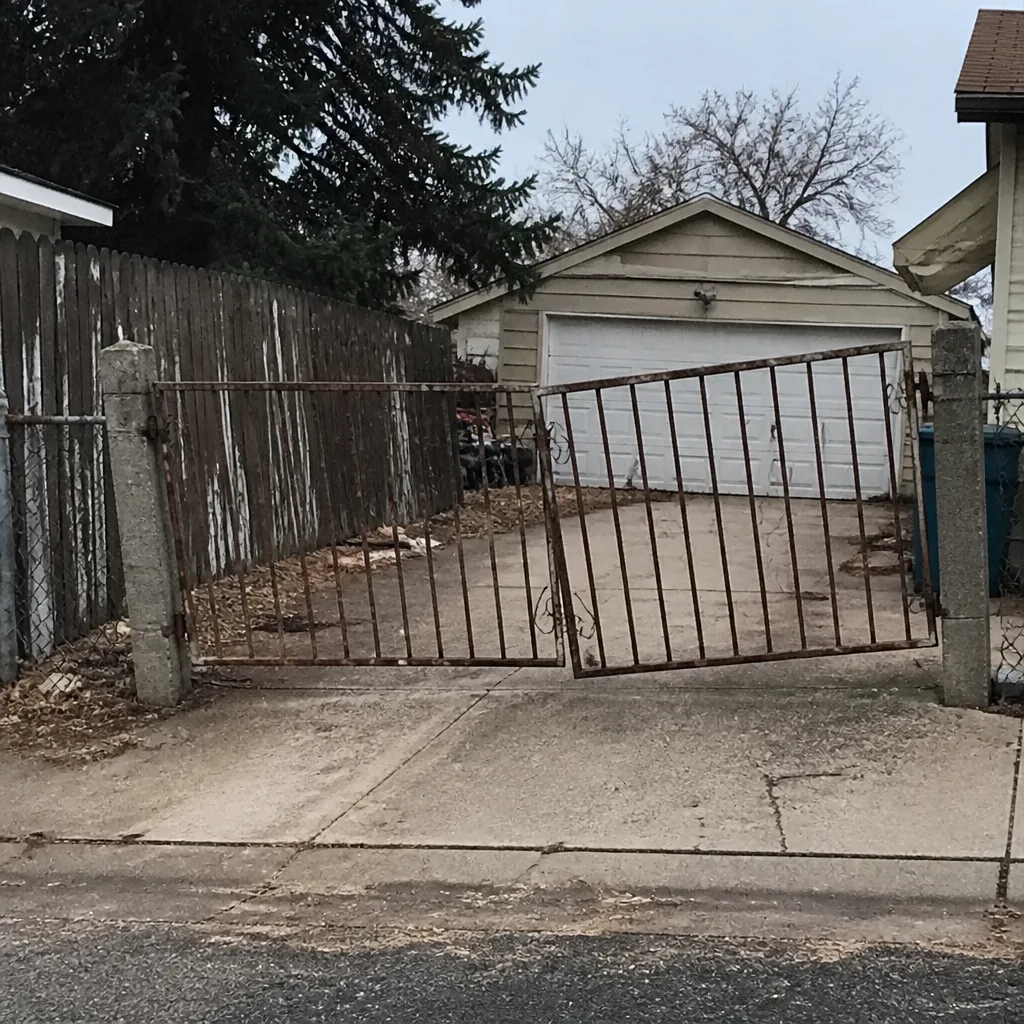 Before
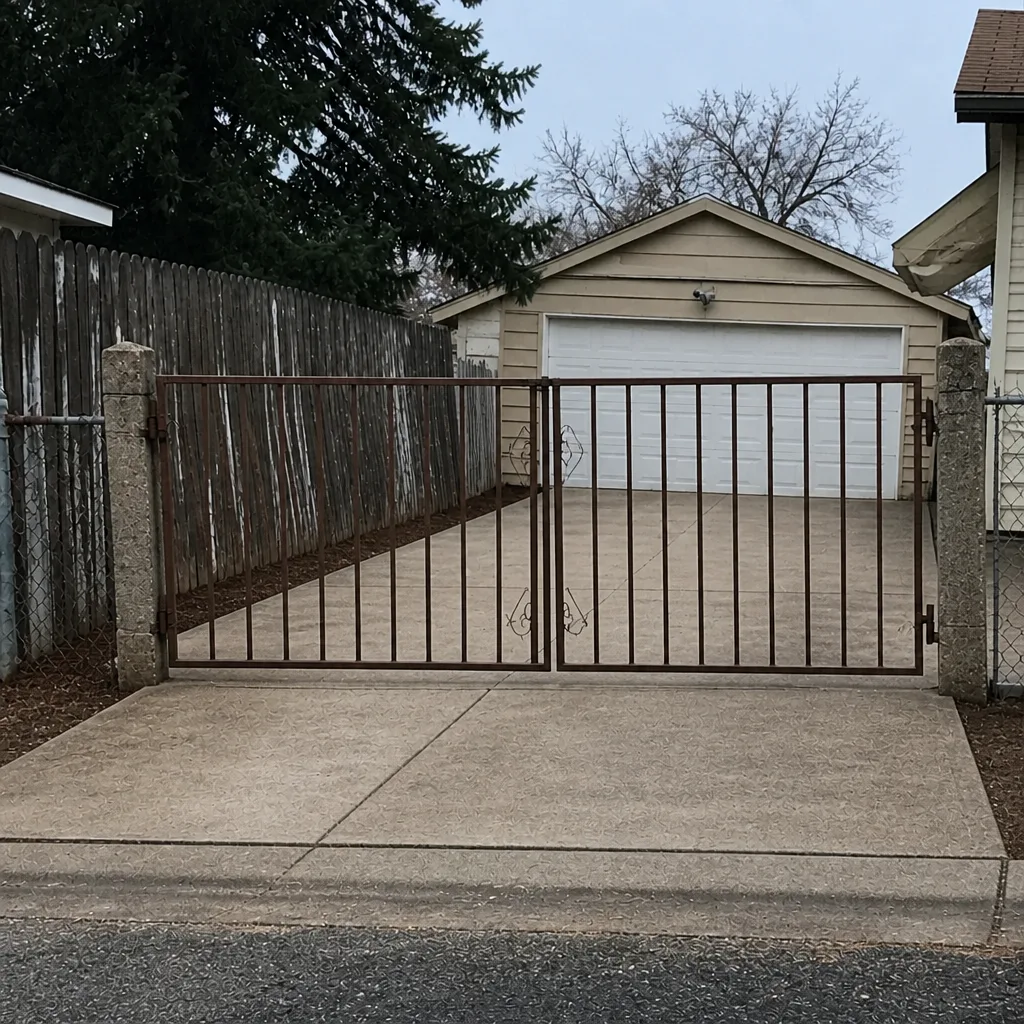 After
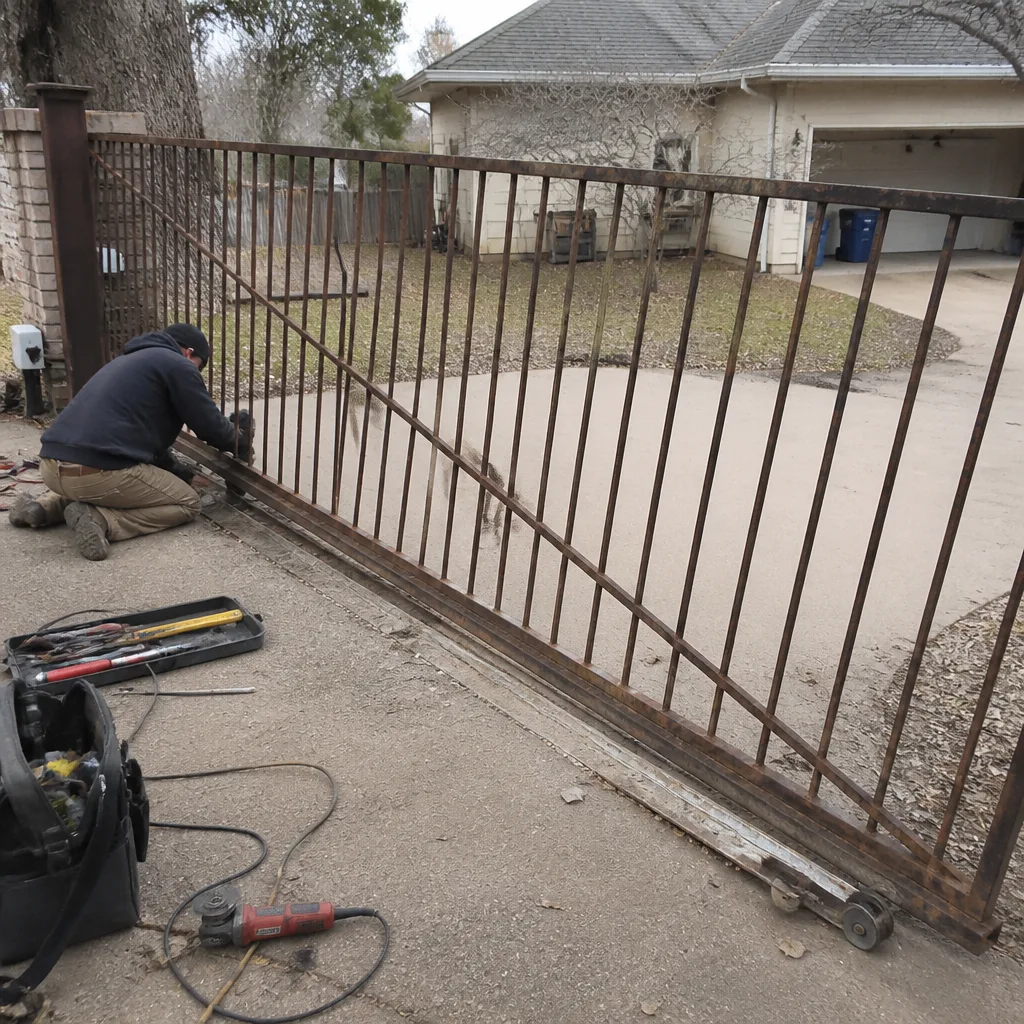 Before
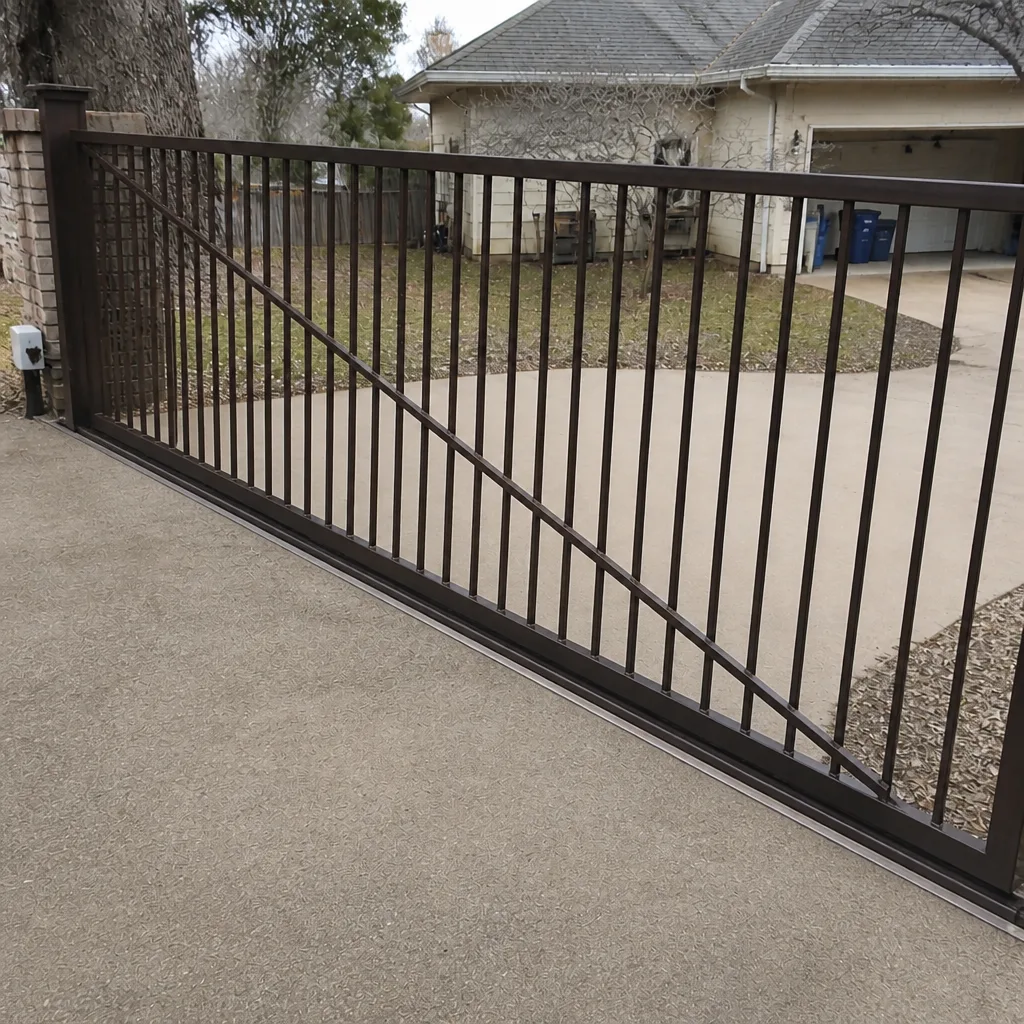 After
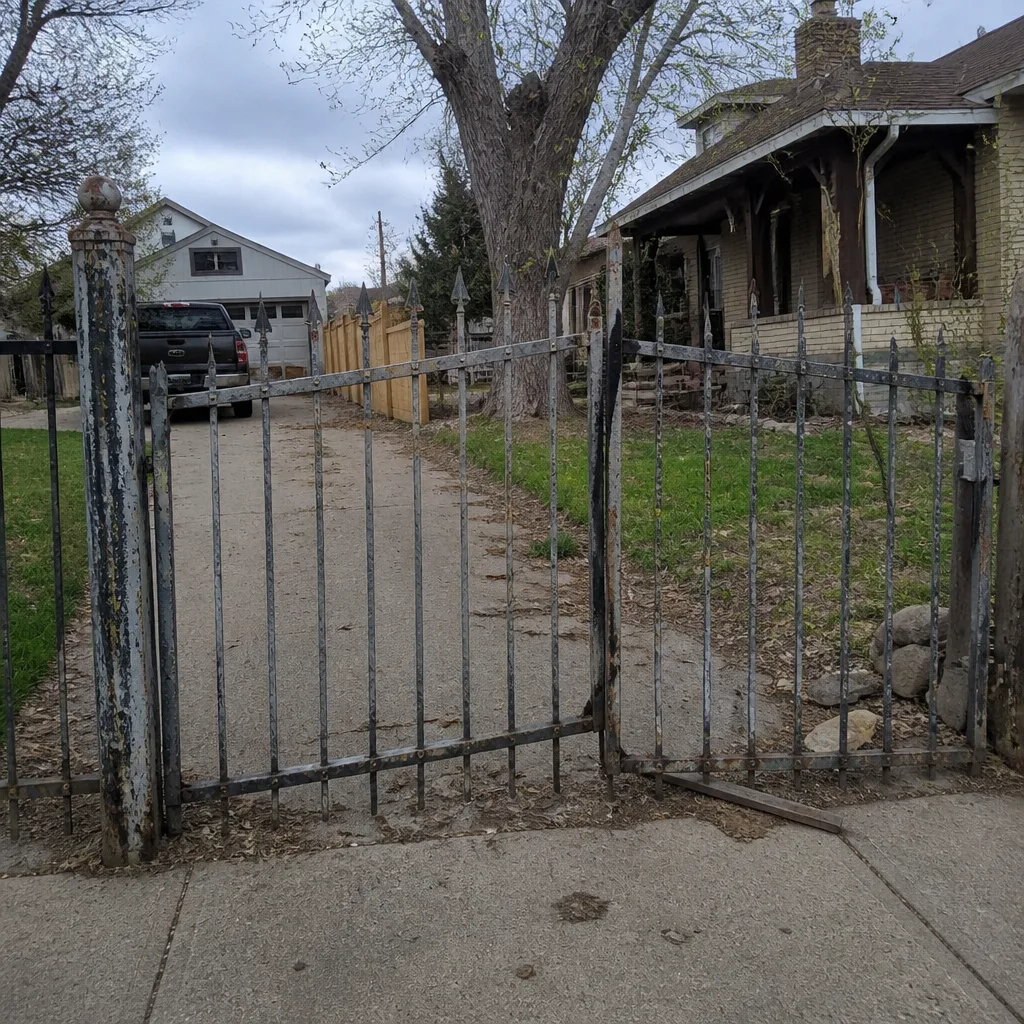 Before
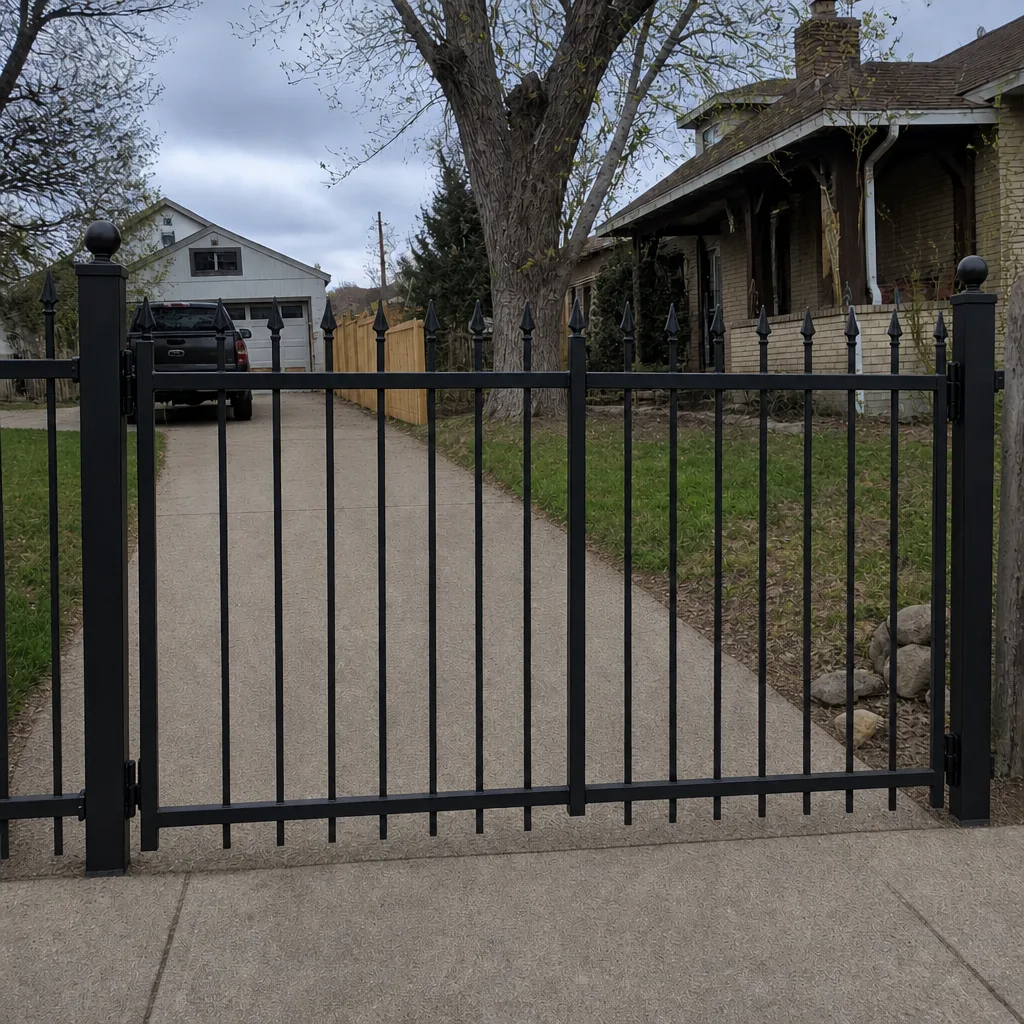 After