
Last updated November 14, 2026
 Wrought iron
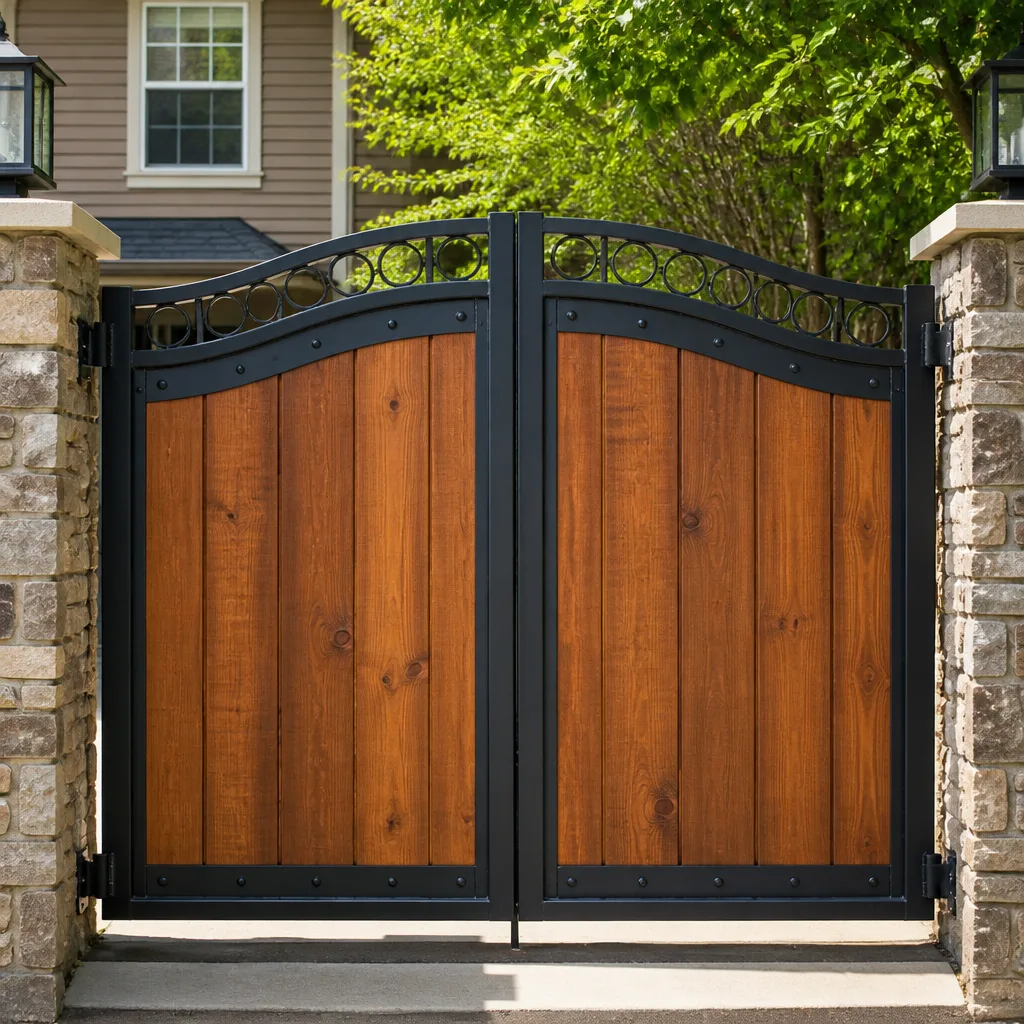 Wood & steel frame
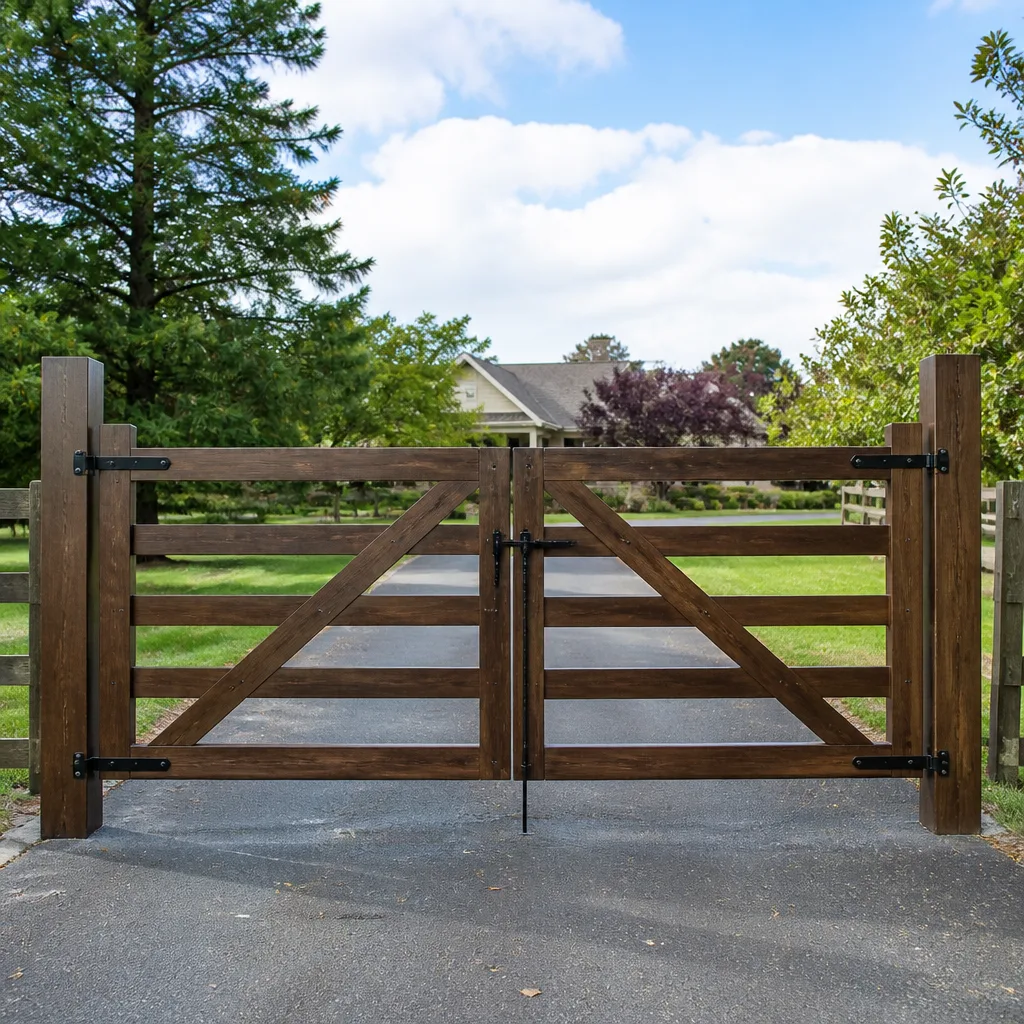 Farm & ranch
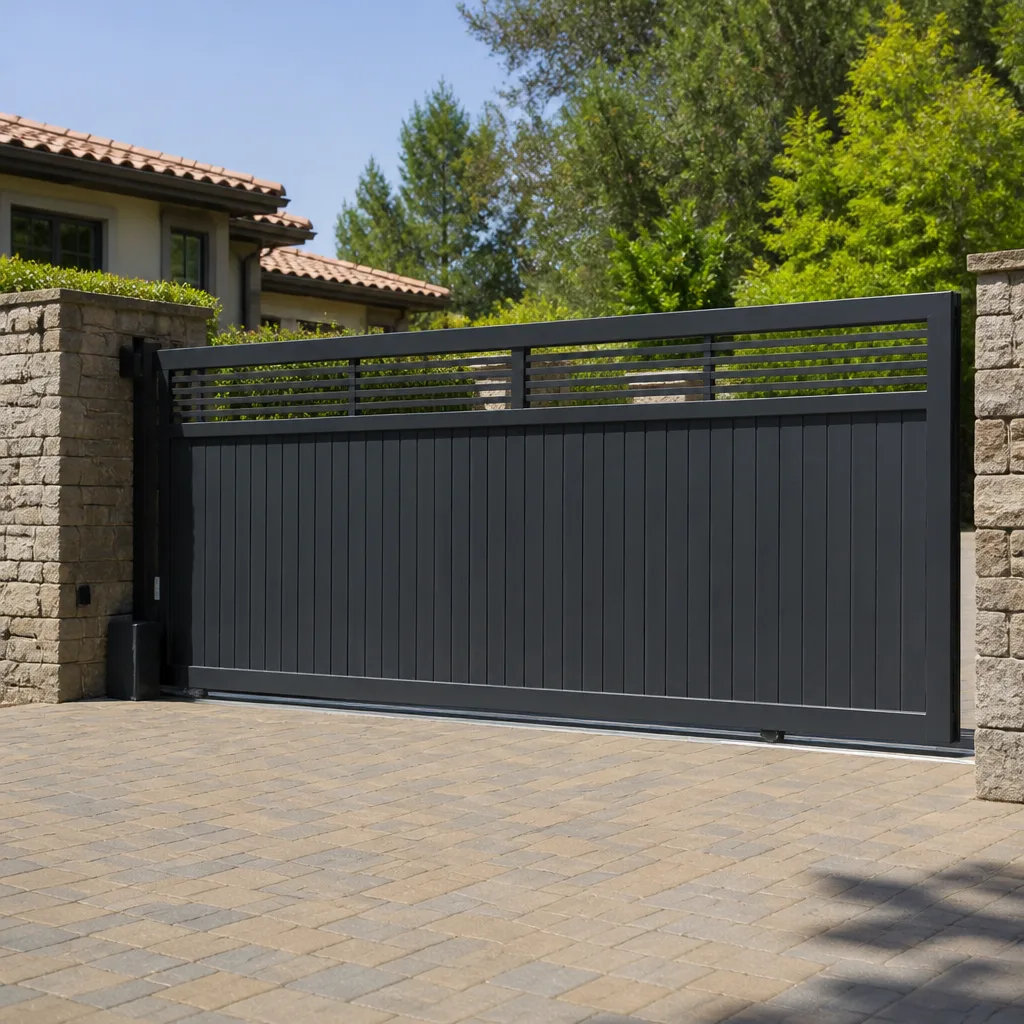 Sliding driveway gates
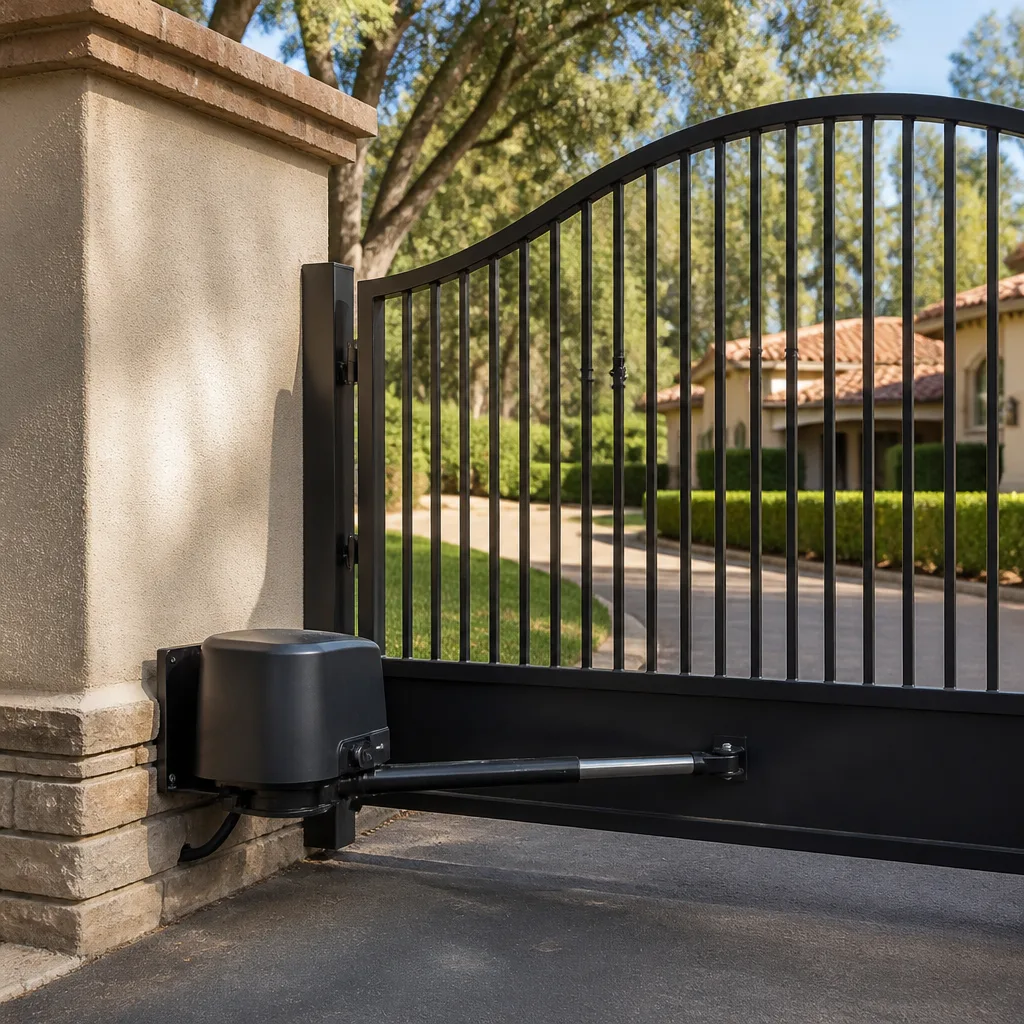 LiftMaster operators
Free on-site gate assessment - hinges, posts, and your LiftMaster or Nice gate operator checked before anything is quoted
The assessment is free and the quote is the invoice.
Get your free estimateSeasonal Gate Repair Care for Westminster: Year-Round Homeowner’s Guide
Most gate failures we look at in Westminster were set in motion months before the gate stopped working. A hinge that soaked up a full summer of high-altitude sun gets loose, then a hard freeze finds the gap. A battery that held a charge in mild October air gives up the first week it drops below fifteen degrees. A post that shifted during spring thaw slowly pushes an operator out of alignment until the arm stalls. None of these happen overnight, and none of them are random. This guide treats the calendar as a maintenance roadmap: what to check each season, why it matters here, and how to log it so patterns show up before breakdowns do.
Quick Answer
Seasonal gate care in Westminster follows four predictable checkpoints: spring post and alignment inspection after freeze-thaw, summer UV and seal checks on south- and west-facing gates, a fall battery load test (not a voltage check), and winter attention to operator lubricant and slow operation in sub-freezing temperatures. Handle each one on schedule and you catch damage while it’s cheap; skip them and the next season compounds the last.
Styles & brands we work with
- Wrought iron
- Wood & steel frame
- Farm & ranch
- Sliding driveway gates
- LiftMaster operators
Table of Contents
- Why Westminster Gates Face a Demanding Seasonal Cycle
- Spring: Post Heave, Alignment, and the Narrow Window Most People Miss
- Summer: UV Damage on South- and West-Facing Gates
- Fall: The Battery Load Test That Predicts Winter Failure
- Winter: Why Operators Slow Down Below Freezing
- Building a 12-Month Maintenance Log That Works as a Diagnostic
- The Full-Year Checklist at a Glance
- Common Mistakes to Avoid
Why Westminster Gates Face a Demanding Seasonal Cycle
The weather along the Front Range asks more of a gate than most of the country does. Westminster sits high enough that the summer sun hits harder than it does at lower elevations, and the same clear skies that make July bright also strip protective coatings faster. Then the shoulder seasons arrive with rapid temperature swings – warm afternoons, freezing nights – that work joints and seals back and forth. Deep winter brings sustained cold that changes how a motor runs and how a battery behaves.
The problem is the sequence. Each season’s damage feeds the next one. Summer bakes a rubber seal until it’s brittle. The first fall freeze cracks it. Winter moisture finds the crack. Spring thaw leaves you with a hinge sitting in a loosened footing and an operator pushing against a gate that no longer swings true. By the time a homeowner calls us, the original cause is often a season or two behind the symptom.
We’re gate specialists in Westminster, and that matters here for one reason: we see the whole yearly arc across every gate we work on, and the patterns repeat. FAAC arms we service in older neighborhoods show the same UV fatigue as BFT units on newer installs. Viking operators rated for cold weather still slow down when the lubricant inside has thickened. The equipment isn’t the variable. The season is.
There’s also a practical point about where gates sit on Westminster properties. Most face east or west toward a street, a shared driveway, or a side yard that gets direct afternoon sun in summer and the brunt of wind-driven moisture in fall. A gate that faces south all day gets the most UV load of any gate on the property. If you know your gate’s orientation, you already know roughly where to look first each season.
Spring: Post Heave, Alignment, and the Narrow Window Most People Miss
Spring is when freeze-thaw does its accounting. Water gets into the soil around gate posts in fall, freezes and expands over winter, then thaws unevenly in March and April. A post that was perfectly plumb in October can be a fraction of an inch off by spring, and a fraction of an inch at the post becomes a visible sag at the latch and a misaligned push at the operator arm.
The window to catch this is narrow. Right after the ground thaws and before the gate has run against the misalignment for a full season, you can often correct it with an adjustment rather than a repair. Wait until summer and the operator has been fighting that crooked travel for months – wearing the arm, straining the motor, sometimes throwing a limit switch out of sync so the gate no longer opens fully.
Here’s how to assess it in ten minutes:
- Walk to the gate when it’s closed and look down the line of the frame against the post. Any visible tilt or gap change from last year is a signal.
- Open the gate by hand, off the operator if yours has a manual release. It should swing smoothly through its full arc. Binding, catching, or a hard spot partway through means the hinge or post has moved.
- Check the post base where it meets the ground. Cracking, a gap opening up, or soil visibly heaved around the footing tells you the ground moved under it.
- Run the gate under power and watch the operator arm. A healthy arm tracks smoothly. A struggling arm travels in jerks or pushes the gate slightly off its line.
- Check the latch alignment with the gate closed. If the gate no longer meets the receiver cleanly, the post has moved.
If any of those turn up, that’s the point to stop and have it looked at. Post realignment and operator adjustment belong with a gate technician, because adjusting one without the other just moves the problem. When a gate needs more than a seasonal tweak, our team handles gate repair on the kind of misalignment spring turns up. Catching it in April saves you an operator repair by August.
Summer: UV Damage on South- and West-Facing Gates
Colorado’s altitude cuts the atmosphere’s filtering power, so summer UV here hits materials harder than the packaging spec assumes. On a gate facing south or west, that means rubber seals, weather stripping around wiring connections, plastic covers on operator housings, and the finish on metal panels all degrade faster than most people expect. A seal that would last several years in a milder climate can harden and crack in half that time on a fully sun-exposed gate.
The wiring side is the part that catches people out. Every automated gate has a sealed connection somewhere between the operator and the control box, and the seal is usually rubber or a gasket. Summer UV turns it brittle. It looks fine in July. In November, when the first hard freeze hits, that brittle seal splits and moisture gets in. The symptom shows up as an erratic operator months after the actual damage.
Our summer inspection protocol on a sun-exposed gate looks at four things:
- Conduit and connection seals. Look at every point where wiring enters the operator housing or the control box. A seal should be pliable, not hard or cracked. If it’s grown brittle, it’s a summer problem that becomes a winter failure.
- Operator housing and covers. Plastic covers fade and chalk under UV. More important is the seal line under the cover, where water can get in once the material gives.
- Gate finish and hinge lubrication. Metal hinges dry out and start to seize when their lubrication is cooked off by sun. Hinges on a south-facing gate need attention sooner in the year than a shaded gate’s do.
- Access system components. Keypads, intercom units, and receiver boxes mounted in direct sun take UV load too. Look for fading, cracked mounting gaskets, and loose screws from thermal expansion.
This is the season where a routine check pays for itself in avoided winter repairs. If you’d rather have a specialist take a look before the sun does its worst, our technicians work on electric gate repair with full familiarity with FAAC, BFT, Linear, and Viking equipment – the systems most summer UV inspections on this side of the metro turn up.
Fall: The Battery Load Test That Predicts Winter Failure
If there’s one thing homeowners get wrong about gate seasonal care, it’s the fall battery check. The common approach is to measure voltage at rest. The gate’s backup battery reads somewhere in the normal range, the homeowner concludes it’s fine, and then the battery dies at fifteen degrees the first cold snap of winter. Voltage at rest tells you almost nothing about whether the battery will survive a Colorado winter.
What you need instead is a load test – a test that measures how the battery behaves under the draw it will see when the operator actually runs. A battery can show healthy open-circuit voltage and still have lost enough capacity that a cold morning finds it unable to push the gate. Cold temperatures reduce a battery’s usable capacity significantly, so a battery that’s borderline in October is dead in December.
Here’s the fall sequence we recommend:
- Disconnect the battery from the operator’s charging circuit so you’re measuring the battery on its own.
- Apply a load close to what the operator draws – the gate running is the real test, but a proper load tester simulates it more accurately and without stressing the operator.
- Watch the voltage under load. A healthy battery holds its voltage through the load cycle. A failing one drops sharply and recovers slowly.
- Check the charging circuit after the test. A battery that tests fine but isn’t being charged will fail anyway.
- Log the results. If the battery’s load performance has dropped since last fall’s test, you have your warning.
For a homeowner without a load tester, the practical fall move is to have the battery tested by someone who does. We run load tests on backup batteries as part of fall gate checks in Westminster because it’s the single most useful predictor of winter gate failure. If your operator’s battery is borderline, a call now beats a stuck-open gate in January.
Fall is also the right time to walk the full wiring run one last time before it gets cold. Look for any seal that’s gone stiff from summer. Look for a control box with a gasket that’s seen better days. Those are the entry points for winter moisture that later shows up as an operator fault.
How Gate Operators Behave in Westminster Winter
A gate operator that tests perfectly at thirty-five degrees can slow or stop at ten below. This isn’t a fault in the equipment. It’s physics. The lubricant inside the operator’s gearbox and along the gate’s moving parts thickens as temperature drops, and thicker lubricant means more resistance on every moving part. The motor is doing the same work it always does, but now it’s fighting a substance that’s turned into something closer to paste.
Most general-purpose lubricants that work fine in fall aren’t rated for real cold. At zero degrees and below they stop flowing, and the operator has to work against them. That affects two things: the motor draws more current and can trip its overload protection, and the gate travels slower, which throws off the timing of limit switches that were set when the gate moved faster. The result is a gate that opens partway and stops, or doesn’t open at all, on a morning when it was fine the week before.
The fix is a lubricant specified for sub-zero operation – one that stays fluid below zero and doesn’t gum up the gearbox or the moving parts of the gate. We specify low-temperature-rated lubricant on gates we service in Westminster because it’s the difference between a gate that runs through a cold snap and one that stalls. When we winterize a gate, we check the lubricant in the operator and on the hinges, the gate’s travel speed, and the limit switch timing – then adjust what needs adjusting before the first real cold.
Winter is also when the access system takes a hit. Keypads and intercoms mounted outdoors can frost up or lose reliable contact in cold. Access cards and fobs work fine, but a keypad with moisture inside it doesn’t. If your gate is slow in the cold but not broken, that’s often a lubricant and speed issue. If it’s failing to respond at all, the access system and the operator both need a look. This is our specialty at Westminster Gate Repair – electric and automated gate systems are the core of what we do, not something we handle on the side.
One practical note for winter: don’t force a struggling gate. If it moves slowly, let it travel through its full cycle at its own pace rather than pushing on it or repeatedly cycling it. The operator is doing the best it can against cold-thickened lubricant, and forcing the movement can turn a slow gate into a stalled one.
Building a 12-Month Maintenance Log That Works as a Diagnostic
Random service calls tell you what’s broken today. A maintenance log tells you why. Repeat patterns in a log reveal root causes that no single visit surfaces – the same hinge loosening every spring, the battery failing load tests two falls in a row, the operator throwing a fault every winter at the first cold snap. Without a log, each of those looks like an isolated repair. With one, you can see the cause.
The log doesn’t need to be complicated. A notebook, a spreadsheet, or a note file on your phone all work. What matters is the structure and the consistency. Here’s what we recommend logging, and when:
- Date and season. Every entry gets a date. You’ll be able to line up problems with weather and with previous entries.
- What you checked and what you saw. Not just “gate okay” – be specific. Hinge on the west side has slight play. Seal at the control box shows cracking. Battery load test result.
- What you did. Adjusted the latch, lubricated the hinges, replaced a seal. Even if you did nothing, log that you checked and it was fine.
- What you noticed but didn’t act on. A small thing you spotted and set aside is often the thing that fails six months later. Write it down.
- Operator behavior. Any change in the gate’s speed, sound, or travel – even a slight one – is a diagnostic clue. Log it.
The value of the log builds over time. After a couple of years, you’ll be able to look back and see that the same hinge needs attention every spring, or that the battery load test is trending down year over year, or that the operator has a fault on the first hard freeze each winter. Those patterns are the difference between reactive repair and prevention.
We ask customers to keep a copy of their log, and we keep our own service records, because between the two of you get a complete picture. If you’re in Highlands Ranch or anywhere in the metro, a log you can hand to a technician makes their diagnosis faster and more accurate. That’s a real thing, not a sales line.
The Full-Year Checklist at a Glance
Here’s the whole calendar in one place. Each season has one key task and a handful of supporting checks. Print it, keep it near the gate’s control box, and work through it when the season turns.
- Spring – Post and alignment check. Look for tilt, binding, and latch misalignment. Run the gate by hand and under power. Catch the post heave before the operator wears against it.
- Spring – Hinge and hardware check. Tighten what’s loose, note what needs replacing. Winter stress shows up as loosened hardware.
- Summer – UV seal inspection. Check every wiring seal, gasket, and cover on a south- or west-facing gate. Replace anything brittle before fall.
- Summer – Access system check. Look at keypads, intercoms, and receivers for UV damage and loose mounts.
- Fall – Battery load test. Not a voltage check. Load-test the backup battery and test the charging circuit. Replace anything borderline.
- Fall – Wiring run inspection. Walk the full run from operator to control box. Note any seal that’s stiff or cracked before cold.
- Winter – Lubricant and speed check. Confirm low-temperature-rated lubricant in the operator and on the hinges. Check gate travel speed and limit switch timing.
- Winter – Full-cycle test. Run the gate through a full open and close on a cold morning. Note any slowing or stalling.
If you work through that list, the seasonal pieces stay ahead of you. If you want to hand off the parts that need specialist equipment – the load test, the operator lubricant, the limit switch adjustment – that’s what our Westminster Gate Repair team does. We diagnose before we quote, and we work on the brand you actually have, whether it’s Linear, Viking, or any of the other systems in our range.
Common Mistakes to Avoid
Most seasonal gate problems we see in Westminster trace back to a handful of habits. Here’s what to avoid, and why:
- Checking battery voltage instead of running a load test. A battery that reads healthy at rest can be dead at fifteen degrees. Load testing is the only way to know whether a battery will survive winter.
- Adjusting the operator before fixing post alignment. If the post has moved, fixing the operator’s timing to work around it just pushes the gate crooked. Fix the post first, then the operator.
- Using general-purpose lubricant year-round. Standard lubricants thicken and stop flowing in real cold. Winter needs a low-temperature-rated product, or the operator runs against paste.
- Ignoring a seal because it looks fine in summer. UV-brittled seals look intact until the first freeze splits them. Inspect them at the end of summer, not the middle.
- Skipping the log. Without a record, seasonal patterns look random. With one, you can spot the hinge that needs attention every spring or the battery trending down.
- Forcing a slow gate in winter. Pushing on a cold gate or cycling it repeatedly increases the load on the operator. Let it move at its own pace.
- Leaving post heave unaddressed through spring. The narrow window after thaw is when misalignment is easiest to correct. Waiting until summer means an operator repair instead of an adjustment.
See the difference
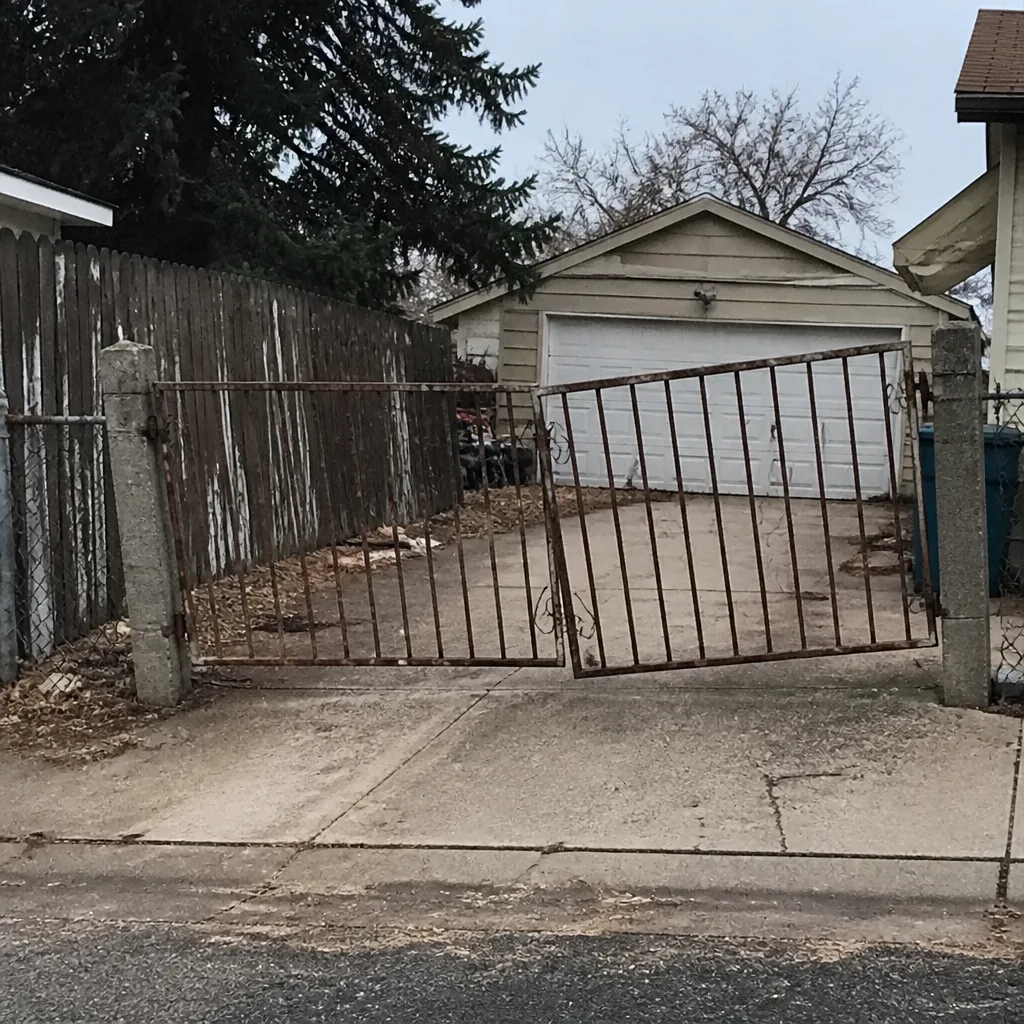 Before
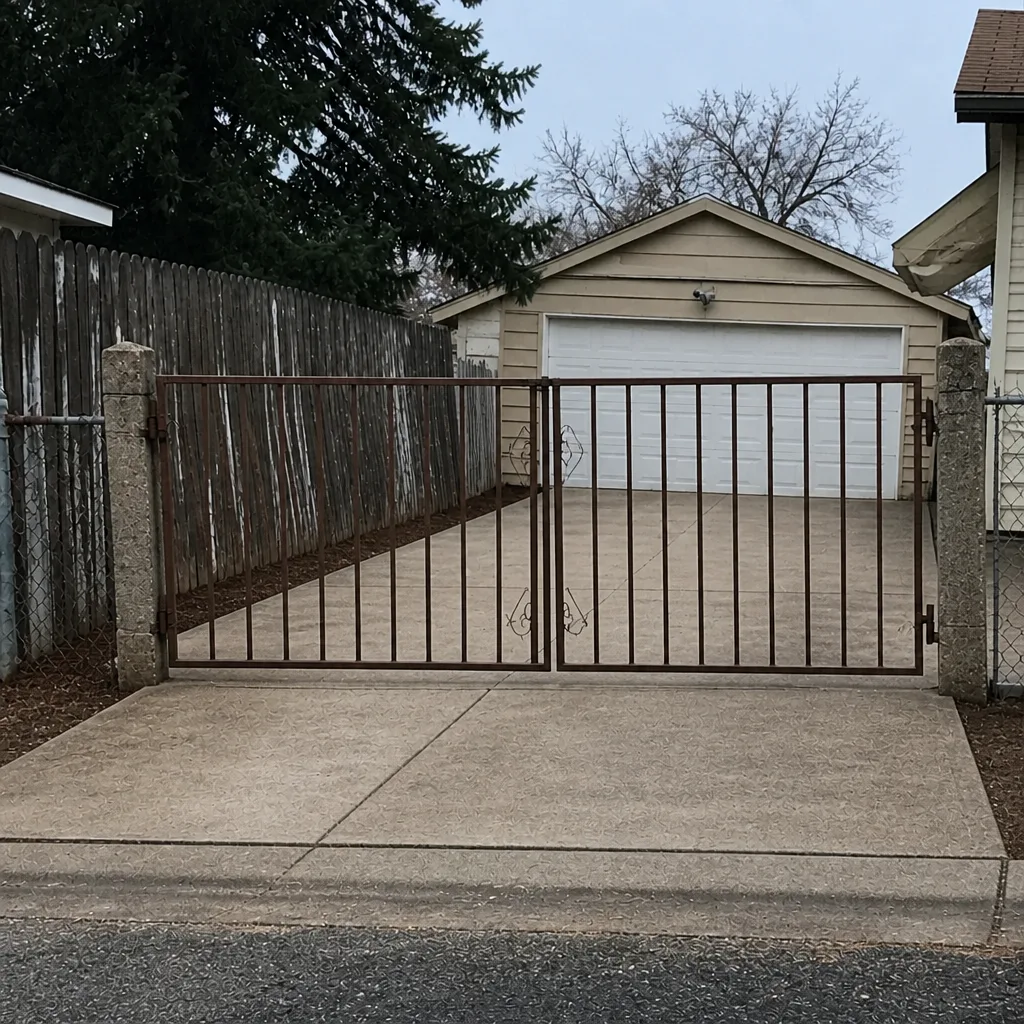 After
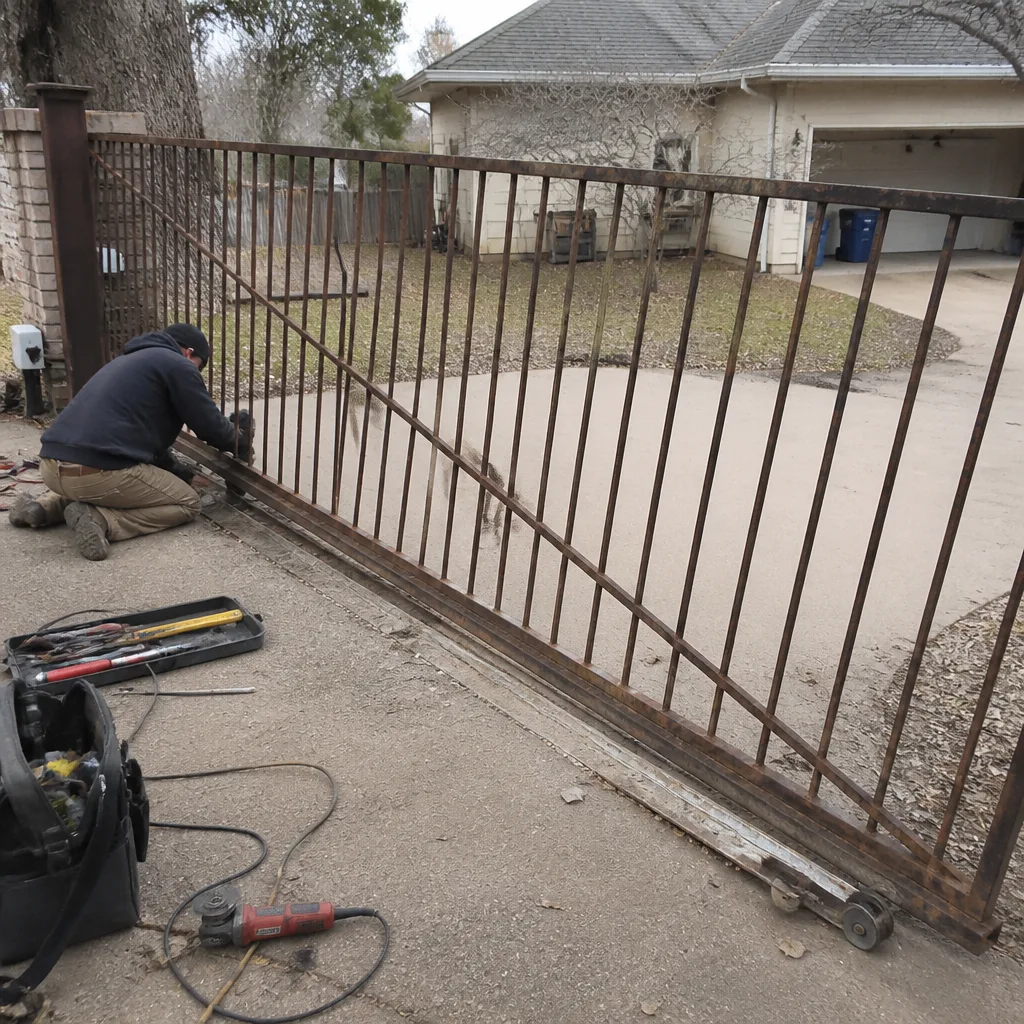 Before
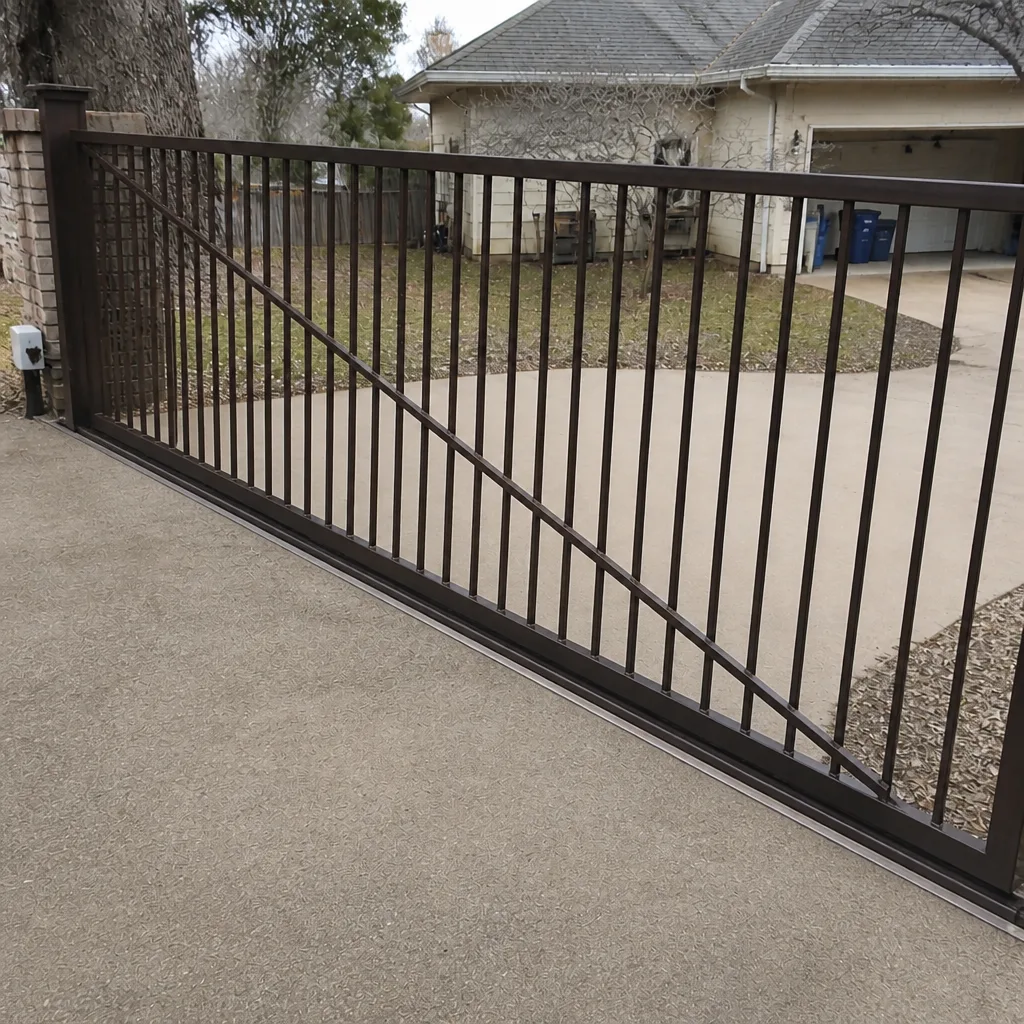 After
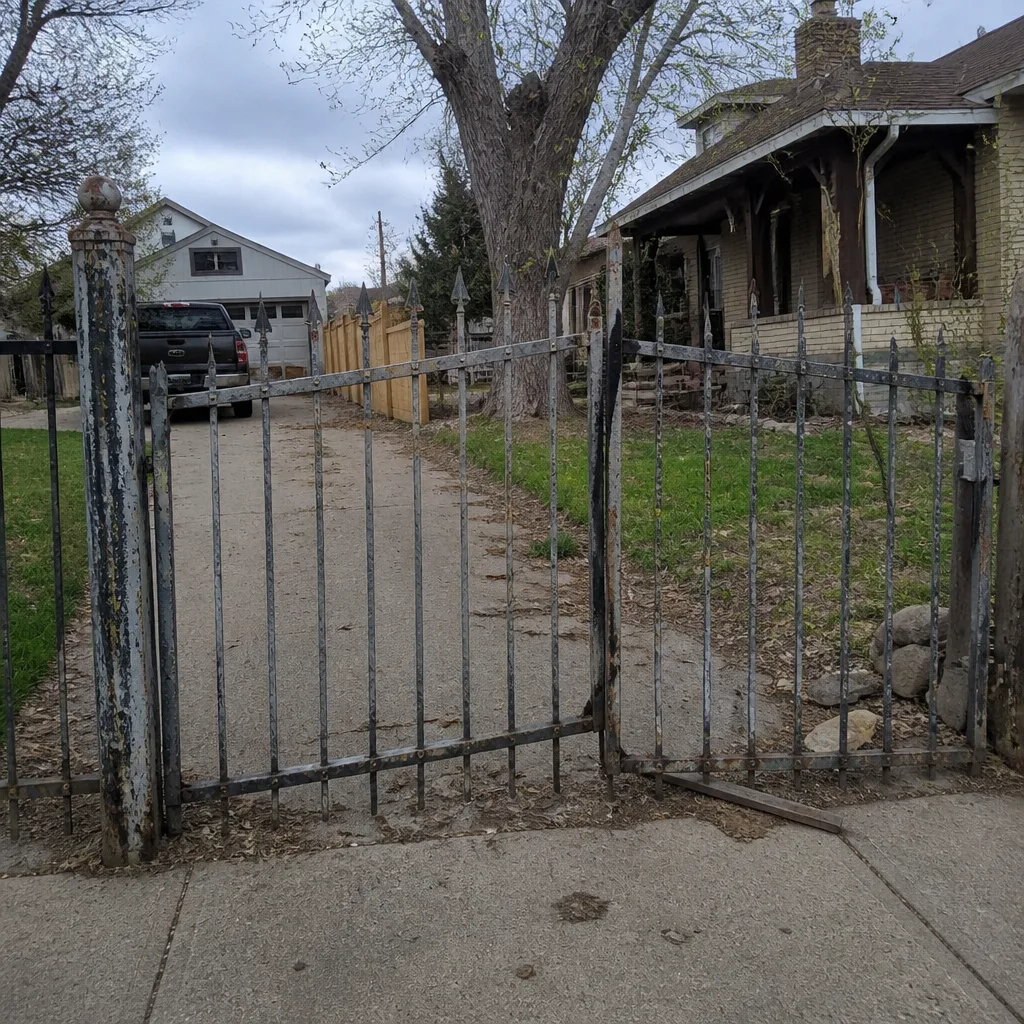 Before
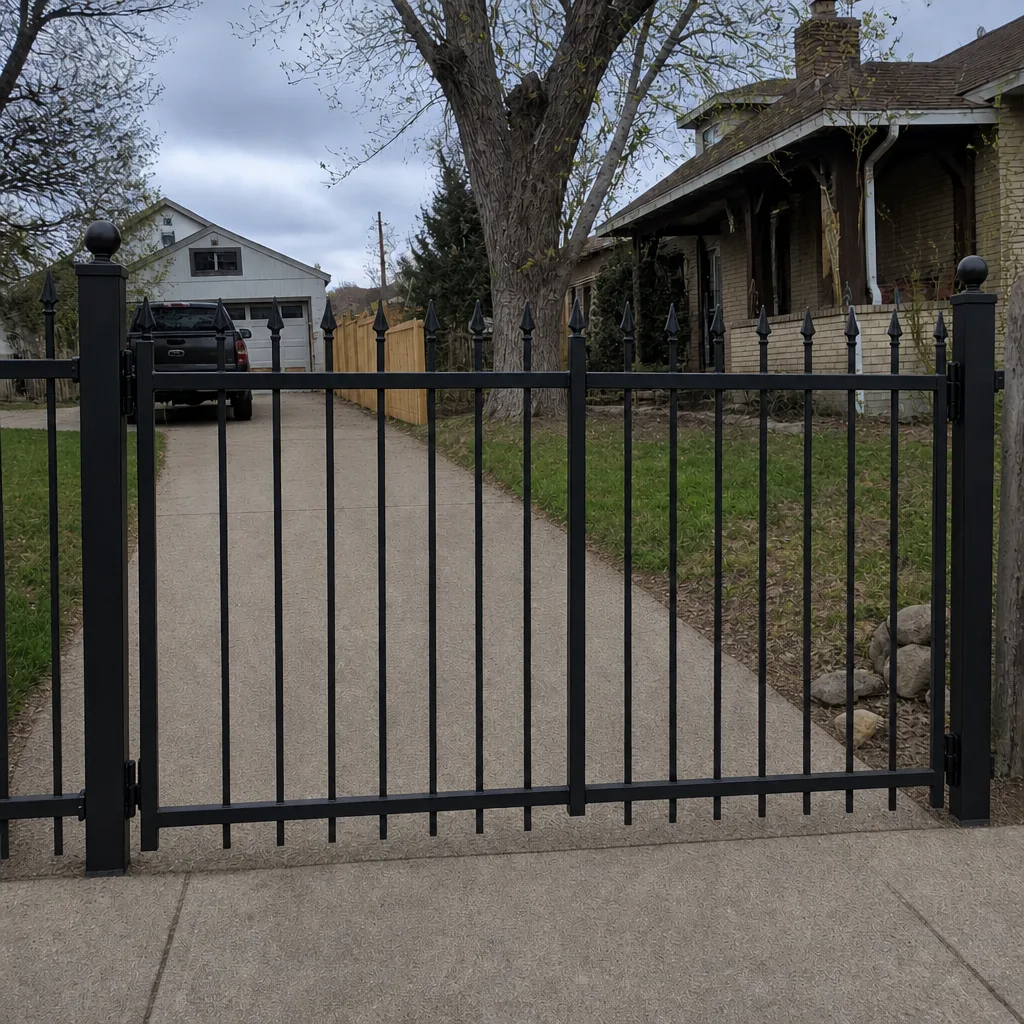 After
When to Call a Professional
Some seasonal checks you can do yourself. Others need equipment, experience, or both. Call us when you spot post tilt or a gate that binds in its travel, when a hinge or hardware item has moved more than a seasonal tweak can fix, or when you’re not sure whether a seal is brittle or just looks tired. Call when the battery needs a load test you don’t have the equipment for, when the operator stalls or speeds up unpredictably in cold weather, or when a keypad or intercom stops responding reliably. Call if a gate has failed to open or stayed open, or if any part of the wiring or operator shows signs of damage you can’t identify.
Westminster Gate Repair offers free estimates in Westminster – call (833) 348-9387. We answer 24/7. Fast dispatch from 7am to 7pm, Sunday through Friday.
Frequently Asked Questions
Spring post and alignment inspection is the highest-value check of the year. Freeze-thaw moves posts, and a misaligned post pushes the operator out of line – catch it in spring and you avoid an operator repair by summer. The second most important is the fall battery load test, which predicts winter battery failure. Do both and you’ve covered the two biggest seasonal risks.
Once a year, in fall, before cold weather. A load test measures how the battery performs under the operator’s draw, which is what matters – a voltage-at-rest reading misses batteries on the edge of failure. If the load test result has dropped since last year’s test, replace the battery before winter. Call (833) 348-9387 for an exact quote – estimates are free.
Cold thickens the lubricant inside the operator and on the gate’s moving parts, so the motor faces more resistance and the gate travels slower. General-purpose lubricant stops flowing below freezing; low-temperature-rated lubricant stays fluid. If your gate slows in the cold, the lubricant is usually the cause, and a winter lubricant and limit-switch check often fixes it. Call (833) 348-9387 for an exact quote – estimates are free.
Some of them, yes. Visual inspection, walking the gate by hand, checking latch alignment, and keeping the log are all things a careful homeowner can do. Battery load testing, operator lubricant selection, and limit switch adjustment need equipment and training. Do what you can safely and have the rest handled. When a gate misaligns during spring thaw, that’s the point to call a technician.
Westminster’s altitude and clear skies mean stronger UV than lower elevations, so seals and finishes on sun-exposed gates degrade faster. The rapid temperature swings in spring and fall work joints and hardware back and forth. And sustained winter cold is hard on batteries and operators. The combination means each season leaves damage the next season compounds – which is why the seasonal schedule matters more here than in milder climates.
We work on the brand you actually have, across the major gate and operator systems – including FAAC, BFT, Linear, Viking, LiftMaster, Ghost Controls, DoorKing, Elite, and Mighty Mule. Brand-agnostic repair means the recommendation fits your gate, not what’s easiest to stock. If you’re not sure what brand your operator is, we can identify it on a visit. Call (833) 348-9387 for an exact quote – estimates are free.
The Bottom Line
Seasonal gate care in Westminster is a calendar, not a checklist you run when something breaks. Spring post and alignment checks catch freeze-thaw damage before it wears the operator. Summer UV checks catch brittle seals before the first freeze splits them. A fall battery load test predicts winter battery failure that a voltage check would miss. Winter lubricant and operator checks keep a gate running in cold weather. Log every check and the patterns show you the root causes. Handle each season on time and the next season has less to work with. That’s the whole method.
Westminster Gate Repair provides gate repair, electric gate repair, and gate installation across Westminster and the surrounding area. We’re gate specialists, not generalists, and we’ve been serving Westminster since 2018. When something in your seasonal check turns up a problem, or when you’d rather have a technician handle the parts that need equipment, call (833) 348-9387 for a free estimate.
Written by the team at Westminster Gate Repair, serving Westminster since 2018.