
Last updated November 14, 2026
 Wrought iron
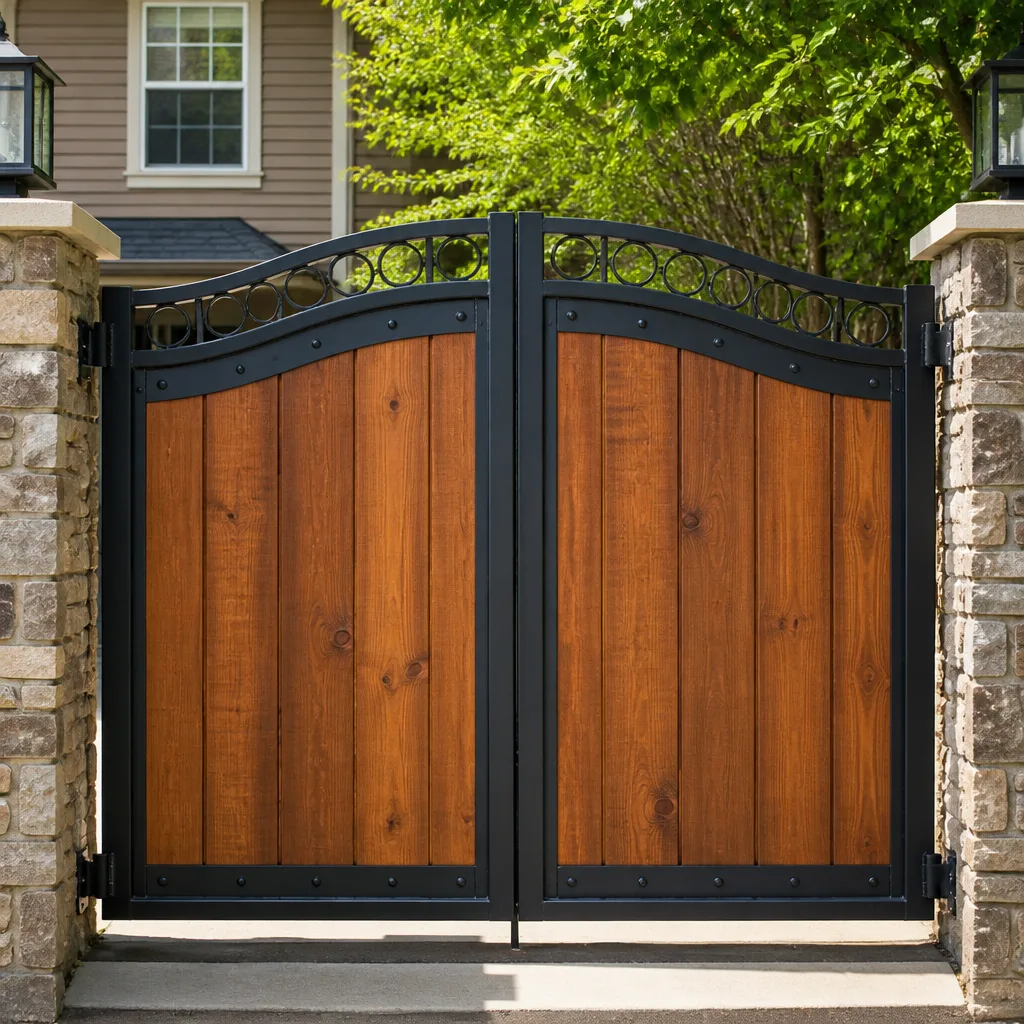 Wood & steel frame
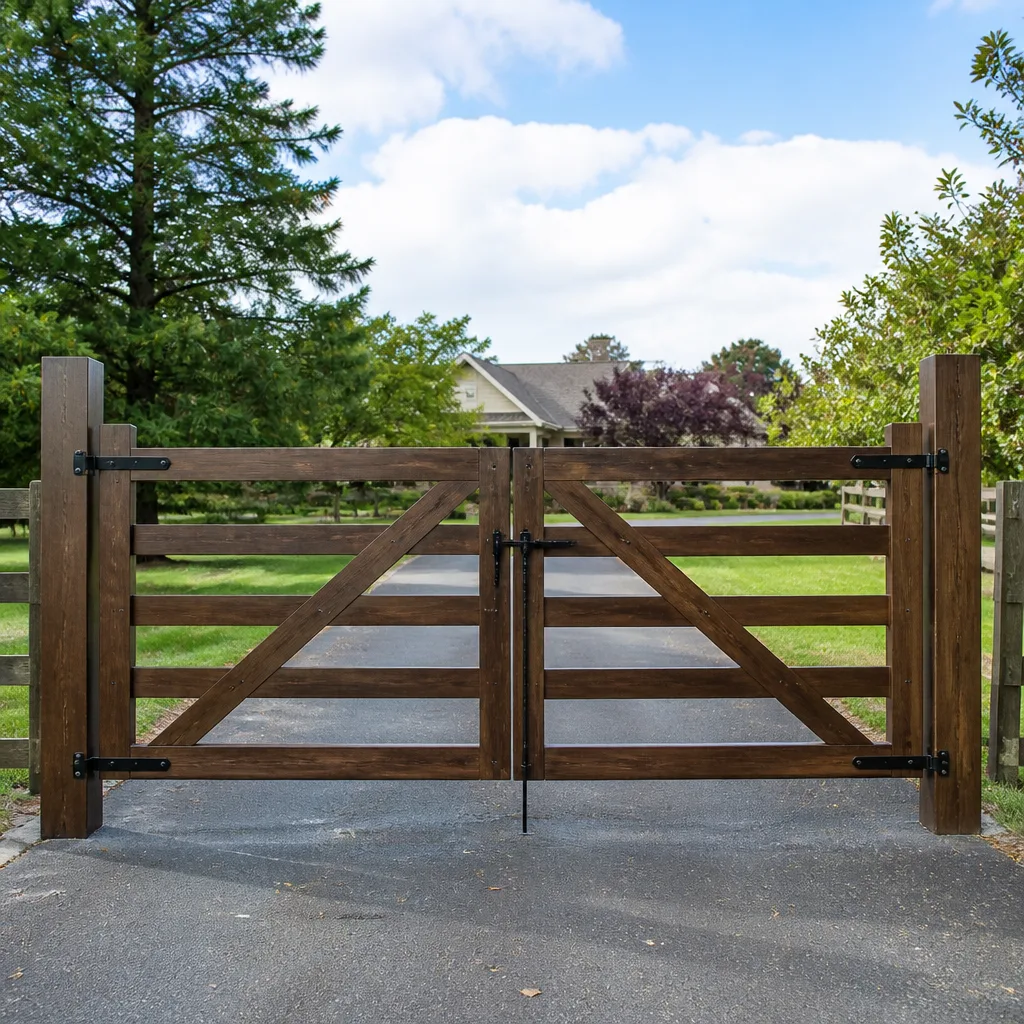 Farm & ranch
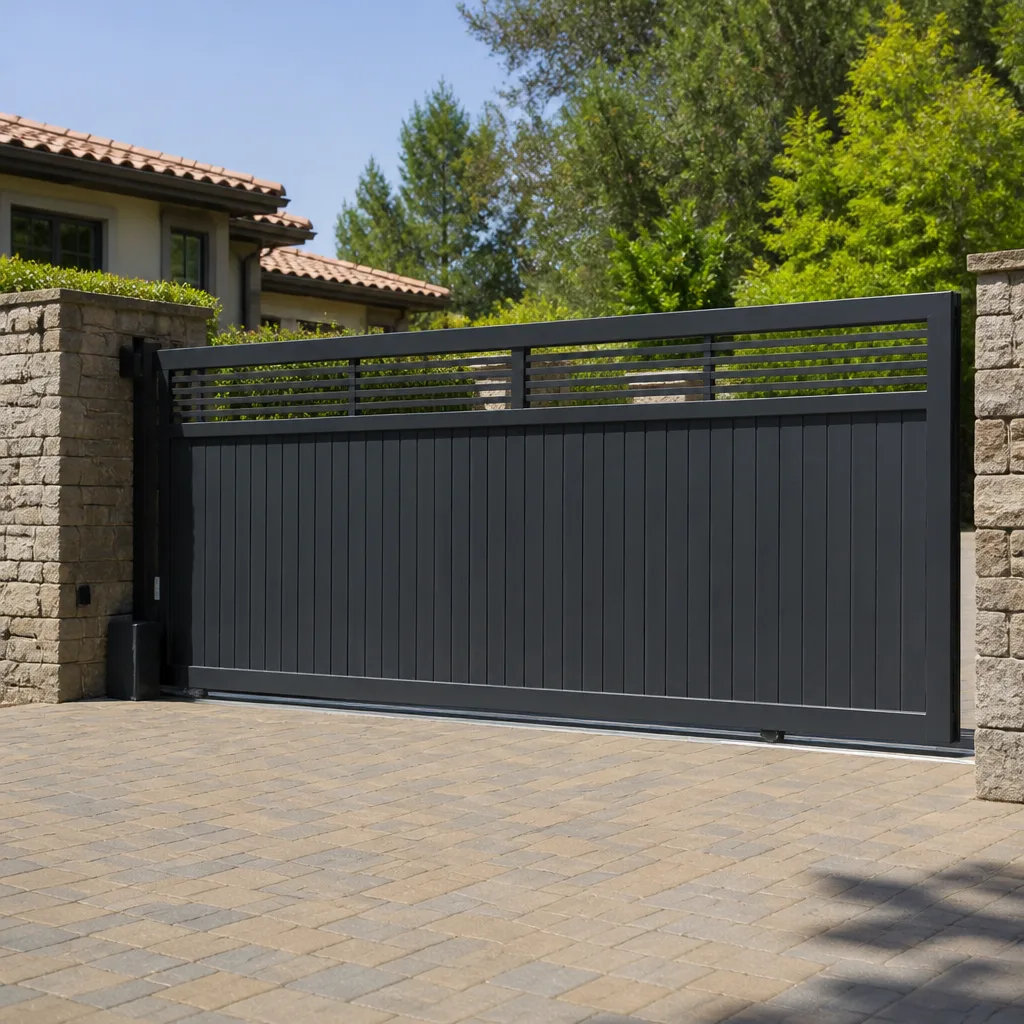 Sliding driveway gates
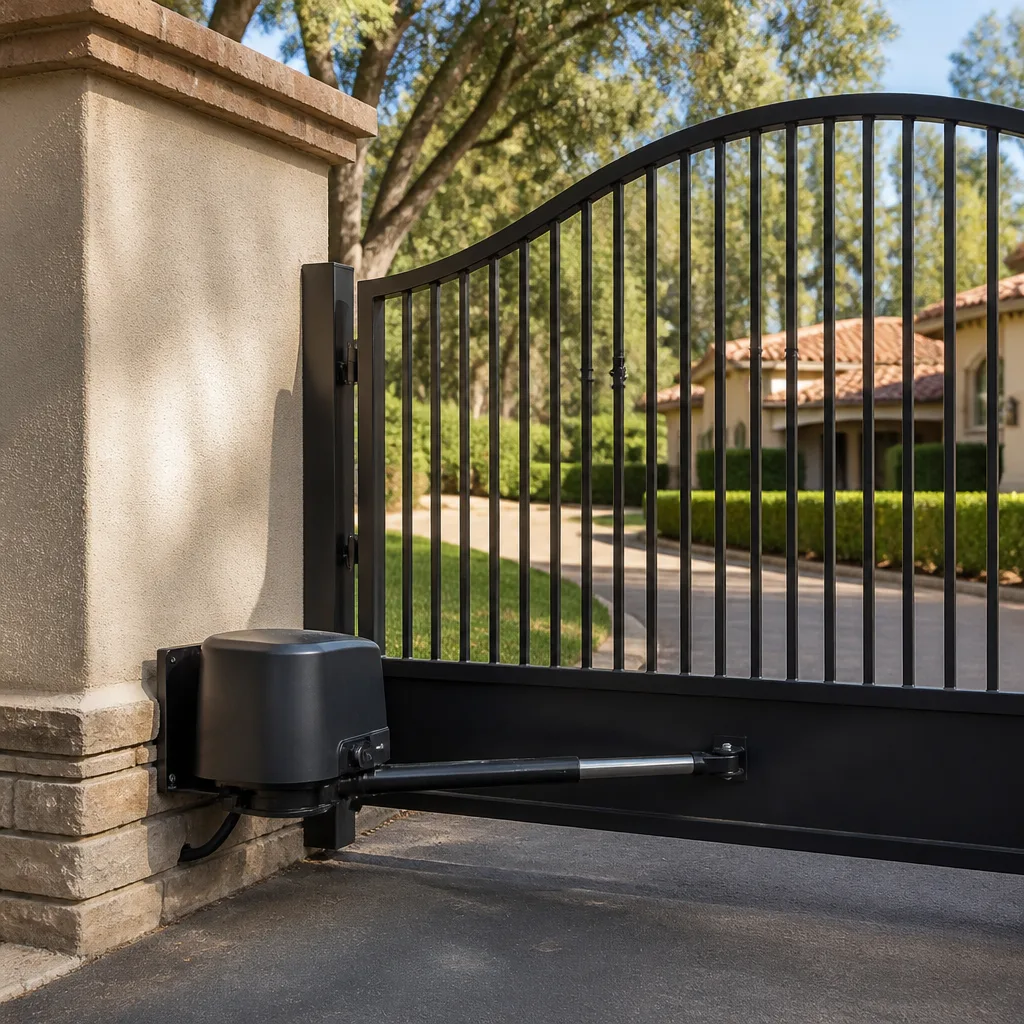 LiftMaster operators
Free on-site gate assessment - hinges, posts, and your LiftMaster or Nice gate operator checked before anything is quoted
The assessment is free and the quote is the invoice.
Get your free estimateThe Complete Guide to Gate Repair in Westminster
Most gate repair callbacks don’t happen because the first repair failed. They happen because someone fixed a symptom while the real cause kept working against the system. A misaligned limit switch, a degraded ground wire, a post that shifted an inch after a wet spring. The gate runs fine for a week, then quits again, and the owner concludes the gate is junk when the diagnosis was simply wrong. This guide maps every common failure to its actual source so you stop paying for the wrong fix twice. It covers the three gate architectures in use across Westminster, how Colorado soil stresses them, and how to document a problem so any specialist can diagnose it faster.
Quick Answer
Gate repair in Westminster usually starts with proper diagnosis, not parts replacement. The three recurring root causes are post movement from Colorado’s clay-heavy soil, electrical and control-board faults on automated systems, and worn or misaligned hardware that cascades into hinge, latch, and operator failure. Understanding which of the three gate architectures you have (swing, slide, or barrier arm) tells you which failure pattern to expect. Westminster Gate Repair diagnoses before quoting so the written estimate covers the real issue, not the symptom.
Call (833) 348-9387. We answer 24/7. Fast dispatch from 7am to 7pm, Sunday through Friday.
Styles & brands we work with
- Wrought iron
- Wood & steel frame
- Farm & ranch
- Sliding driveway gates
- LiftMaster operators
Table of Contents
- The Three Gate Architectures and Their Failure Patterns
- How Westminster’s Clay Soil Causes Post Shift and Chain Reactions
- Automated Gates: Is It Electrical or Mechanical?
- Brands Common in Westminster Communities and Their Weak Points
- How to Document a Gate Problem Before You Call
- What Gate Repair Costs and How to Avoid Paying Twice
- Gate Safety: What Never to Adjust Yourself
- What a One-Time Maintenance Visit Should Cover
The Three Gate Architectures and Their Failure Patterns
Before you can understand why a gate fails, you need to know which kind of gate you own. Swing, slide, and barrier-arm gates fail in completely different ways, and a technician who treats them as interchangeable will misdiagnose the problem.
Swing gates rotate on hinges at a fixed post. The hinge carries the full weight of the leaf, so wear concentrates at the top and bottom hinge points. A sagging swing gate is almost always a hinge problem or a post that has drifted. Swing gate operators push and pull against gravity, which means the operator itself takes more load when the hinges degrade. That’s why a jammed swing gate can burn out an operator in weeks if the hinges aren’t dealt with first.
Slide gates travel along a track parallel to the fence line. The failure point is the track and the wheels that ride it. Debris, a bent section, or a foundation settle pulls the gate off its line, and the operator strains every cycle. A slide gate that jumps the track is a mechanical alignment problem, never a control-board problem, though a straining operator can eventually take the control board down with it.
Barrier-arm gates pivot a long arm up and down to control vehicle access at a single lane. These are almost always automated and commercial. Their failure pattern centers on the arm balance mechanism and the operator’s limit settings. If the arm overshoots its rest position, the operator keeps driving after the arm has bottomed out, generating heat and eventually board failure.
In our experience across Westminster, the single biggest cause of repeat visits is a technician treating a swing gate like a slide gate (or vice versa) during the diagnosis phase. Each architecture demands a different set of questions.
How Westminster’s Clay Soil Causes Post Shift and Chain Reactions
Soil matters more than most gate owners realize. Westminster sits on prairie-derived clay soil that swells when wet and shrinks when dry. That movement is seasonal and relentless. A gate post set into proper footing depth will still feel the pressure of expanding clay, and over several wet and dry cycles the post can tilt just enough to throw the entire gate geometry off.
A small post shift doesn’t stay a post problem. It cascades:
- The gate leaf drifts out of square. A gate that was true last spring now hangs at enough of an angle to change how it rests.
- The hinges load unevenly. The low corner bears more weight. The hinge pin wears faster, and the gate sags further.
- The latch no longer lines up. The gate reaches its closed position but the latch won’t seat. Owners often blame the latch first.
- The operator works harder. On an automated gate, the operator now pushes against a misaligned leaf. Every cycle draws more current.
- The control board or operator motor eventually fails. By the time the owner calls, the visible problem is an electrical fault, but the root cause is a post that moved two or three years earlier.
This chain reaction is why a $90 hinge adjustment can actually indicate a much larger problem. If a technician replaces the hinge without checking the post, the misalignment remains and the hinge wears out again. In our experience, most repeat gate repair calls in Westminster trace back to a post issue that wasn’t identified on the first visit. Diagnosing the soil geometry before quoting is the difference between a real fix and a recurring invoice.
If you’ve noticed your gate catching, dragging, or latching unevenly, that’s the early signal. Our dedicated gate repair page explains how we approach diagnosis on a site where soil movement is likely.
Automated Gates: Is It Electrical or Mechanical?
When an automated gate stops working, the first question should always be: is this electrical or mechanical? Most automated gate failures are electrical or control-board related, with the remainder being mechanical. That’s roughly the split we see in Westminster and across the wider Highlands Ranch area.
Here’s how to tell which one you’re dealing with before you call anyone:
- No response at all from the operator (no click, no hum, no light change): almost always an electrical or power-supply fault. Check the breaker on the operator circuit, the transformer, and whether the control board has power at all.
- Operator hums but doesn’t move: could be a stuck motor or a broken mechanical linkage. Listen for strain.
- Gate moves a few inches then reverses: typically a limit switch or safety-sensor problem. The operator thinks it hit an obstruction.
- Gate moves freely by hand with power off, but won’t move with power on: control board or operator motor fault.
- Gate is hard to move by hand with power off: mechanical binding. Don’t power it again until it’s freed up.
This classification matters because a generalist handyman might replace a control board on a gate that simply had a mechanical bind, or replace hinges on a gate that has a failed safety edge. Both fixes miss the actual cause. Understanding your electric gate repair options starts with that diagnostic clarity.
We work on the brand you have, which means we carry the diagnostic approach for the specific control platform. On any automated gate, be cautious inside the operator housing. Capacitors hold charge, mains wiring is live, and safety sensors are tied into the control logic. That’s not a DIY zone. A trained technician should handle anything inside the operator enclosure.
Brands Common in Westminster Communities and Their Weak Points
Different operator brands have genuinely different weak points, and knowing yours saves diagnostic time. Here’s what we see in Westminster-area residential and commercial gates:
LiftMaster operators are reliable and well-supported, but the control board can be sensitive to power surges. If a homeowner had a lightning event or a brownout, the board is the first place to look.
Ghost Controls is common on residential automated swing gates. The known soft spot is the limit-switch calibration. Ghost Controls operators rely on precise limit settings, and a gate that’s shifted slightly out of alignment can trip the limits early, causing the operator to think the gate hit an obstruction. The result is a gate that opens partway and reverses. The fix is often an alignment adjustment, not a board replacement.
DoorKing systems, frequently found at commercial and multi-unit properties, are robust but complex. Access-control integration means there are more points of failure: the entry keypad, the loop detector, the operator logic. Diagnosing a DoorKing problem requires working through the access layer and the operator layer separately.
Mighty Mule and Elite operators appear on residential properties across the area. Both are capable of long service but rely on consistent limit and sensor settings; drift in either causes erratic behavior.
This is why brand-agnostic capability matters. When we diagnose a gate, we’re evaluating the specific platform in front of us, not forcing a recommendation based on whatever parts are easiest to stock. Our Westminster Gate Repair team works across nine major gate and operator brands, including LiftMaster, Ghost Controls, DoorKing, Elite, and Mighty Mule, so your gate gets the diagnosis it needs regardless of what’s installed.
How to Document a Gate Problem Before You Call
Good documentation cuts diagnostic time and makes the first quote more accurate. Property managers who log gate issues systematically get faster, better quotes than those who summarize from memory.
- Photograph the gate in its closed, fully open, and half-open positions. Side-on and overhead shots catch misalignment a front view misses.
- Record the make and model of the operator. The model plate is usually inside the control housing or on the underside.
- Describe the exact symptom in sequence. “It opens six inches, pauses, then reverses” is more useful than “it doesn’t work.”
- Note when it started and whether it correlates with weather. A problem that appears after wet weather points toward soil movement or a flooded control box.
- Check and record whether the gate moves freely by hand with power off. This single fact separates mechanical from electrical in most cases.
- Photograph any visible damage: cracked hinges, bent track, corroded connections, exposed wire.
- Log how often it happens. Intermittent issues that appear once a week tell a different story than a total failure.
The problem with a vague description is that it forces the technician to spend the first visit confirming the basics. A property manager or homeowner who hands over a structured record of the symptoms gets a faster, more precise diagnosis and a quote based on the real cause. That’s exactly the standard we work to when assessing any gate in Westminster.
What Gate Repair Costs and How to Avoid Paying Twice
We don’t publish fixed price lists, because the price depends on the gate type, the brand, and what’s actually wrong. But there are principles that determine whether you pay once or twice.
An adjustment (hinge, latch, limit switch calibration) is at the low end of the range. A parts replacement (sensor, hinge, track wheel) is higher. An operator or control-board replacement is a major repair. The range is wide, and the difference between the lowest and highest scenario is a diagnostic question, not a pricing question.
Here’s how to avoid paying for the wrong fix:
- Ask for the diagnosis, not just the quote. A quote that doesn’t name the root cause is a red flag. “Replace the hinge” is a fix. “Replace the hinge because the post has shifted and the hinge is under uneven load” is a diagnosis.
- Match the fix to the cause. If the post has moved, a hinge replacement buys you weeks, not months.
- Confirm brand support. A shop that only carries one brand of parts may push a repair toward their stock rather than diagnose the real cause.
- Insist on the price before work starts. The written estimate sets the final price. Any reputable gate service will quote and agree before touching the gate.
The written estimate is the final number. We quote what we’ve diagnosed, not what we’d like the repair to be, and we don’t start work until the scope and price have been agreed.
Gate Safety: What Never to Adjust Yourself
Some parts of a gate system are safe to look at. Others are genuinely dangerous, and the line between them is not always obvious.
On a manual gate, the danger is weight. A large swing or slide gate leaf can weigh hundreds of pounds. If it comes off a hinge or track while someone is working on it, the result can be serious injury. Don’t remove a hinge pin to “see if it’s stuck.” Don’t prop a gate leaf on anything other than proper blocking.
On an automated gate, the danger list grows: live mains wiring inside the operator, stored charge in capacitors, heavy moving parts controlled by logic that may behave unexpectedly, and safety-sensor beams that are there precisely to prevent injury. Never bypass or disable a safety sensor to test the gate; that removes the exact safeguard the sensor exists to provide. Never reach into the operator housing with the power on. Never assume the gate is de-energized because the remote didn’t work.
These systems warrant a trained technician. The diagnostic work we do on automated gates exists partly because the risks are real and partly because a wrong adjustment can make a safety system less safe without anyone noticing.
What a One-Time Maintenance Visit Should Cover
There’s a difference between a quick look and a proper assessment. A single focused visit, priced per job after we’ve inspected the gate, should cover:
- Checking post stability and gate geometry for signs of soil-driven shift.
- Inspecting hinges, latches, rollers, and track for wear and alignment.
- Confirming the operator’s limit settings and testing the safety sensors through their full range.
- Checking wiring, connections, and the control-box enclosure for water intrusion or corrosion.
- Testing the manual release to confirm it works when it’s needed.
- Recording any early signs of drift so you can act before a small repair becomes a full operator replacement.
We don’t sell maintenance plans or service contracts. If you want a maintenance visit, it’s priced after we’ve looked at the gate, and you get the same diagnostic honesty as a repair call. The point of the visit is to catch the chain reaction at the top, not the bottom.
Common Mistakes to Avoid
- Replacing parts before diagnosing the cause. The most common mistake is ordering a new control board before checking whether the gate is mechanically bound. Confirm the mechanical state first, then look at the electrical system.
- Ignoring post movement after a wet spring. Westminster’s clay soil moves, and a gate that latches differently after a wet season is telling you something. If you don’t check the post, you’ll keep replacing the parts the post is wearing out.
- Bypassing a safety sensor to “test” the gate. A bypassed sensor may let the gate move, but it removes the safeguard that prevents injury. This is never a valid diagnostic shortcut.
- Hiring a general handyman for an automated gate. Gate operators and access systems are a specialty. A generalist may get a manual gate working but is more likely to misdiagnose the control side of an automated one.
- Accepting a quote with no stated diagnosis. If the quote doesn’t explain why the part failed, expect the repair to come back. Ask for the root cause in writing.
- Putting off a track or hinge repair until the operator fails. On a slide gate, a straining operator is running hot. Fixing the track early avoids an operator replacement later.
- Assuming the brand doesn’t matter. A Ghost Controls limit calibration issue and a DoorKing access-layer fault look similar from the driver’s seat. The right diagnosis depends on knowing the platform.
See the difference
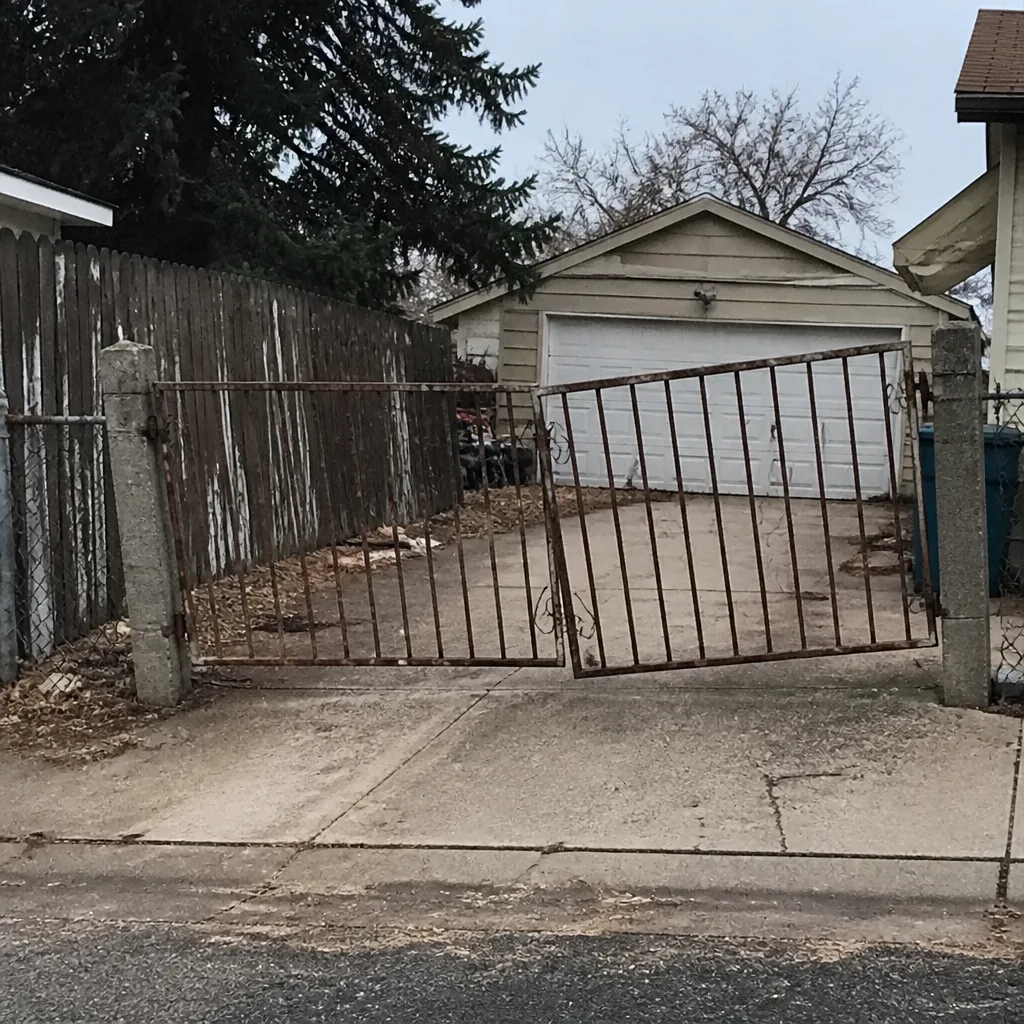 Before
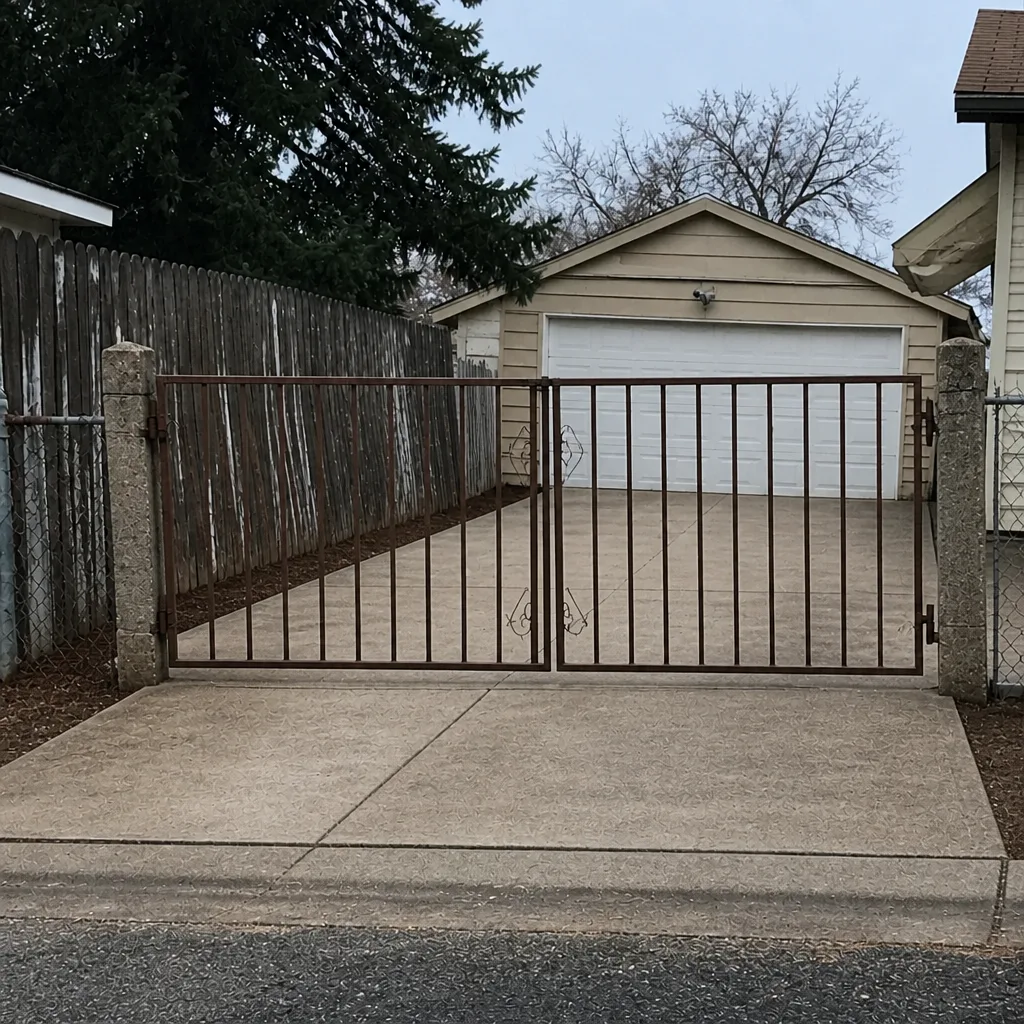 After
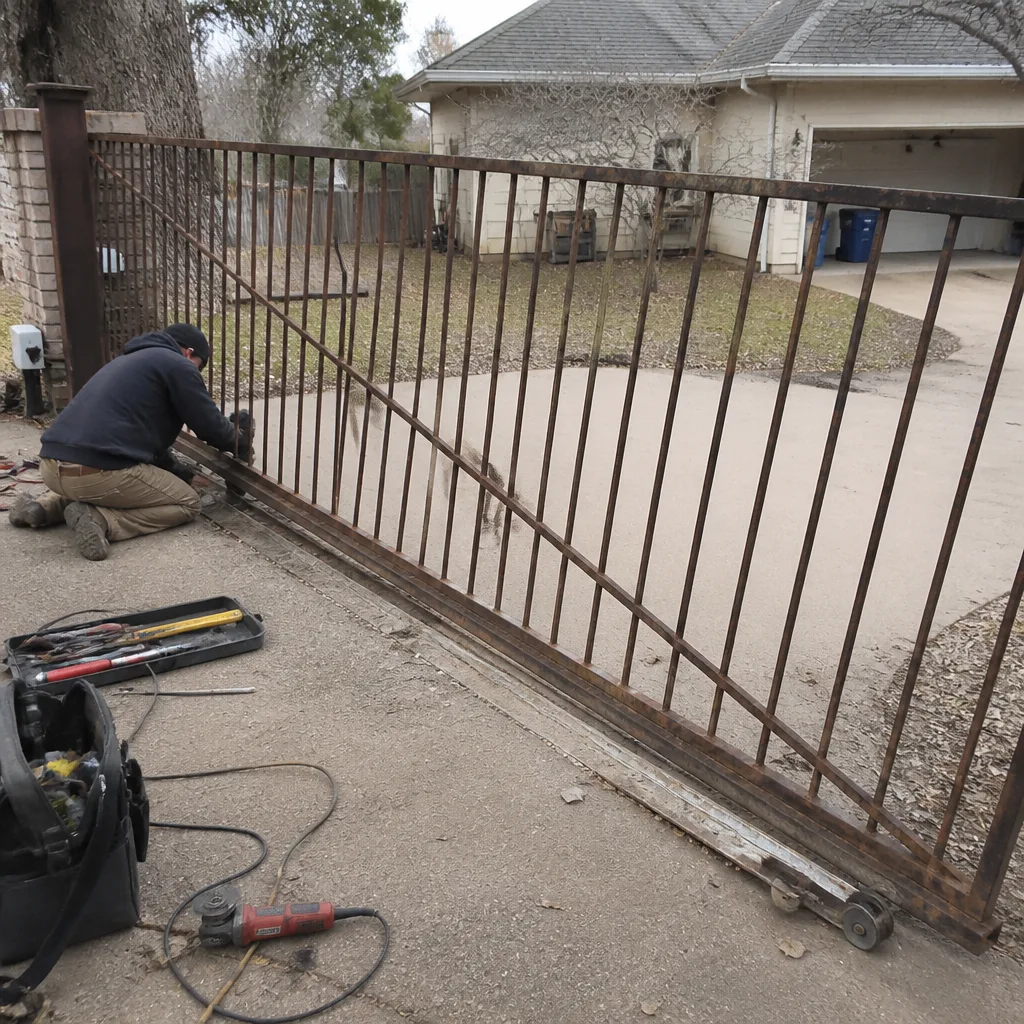 Before
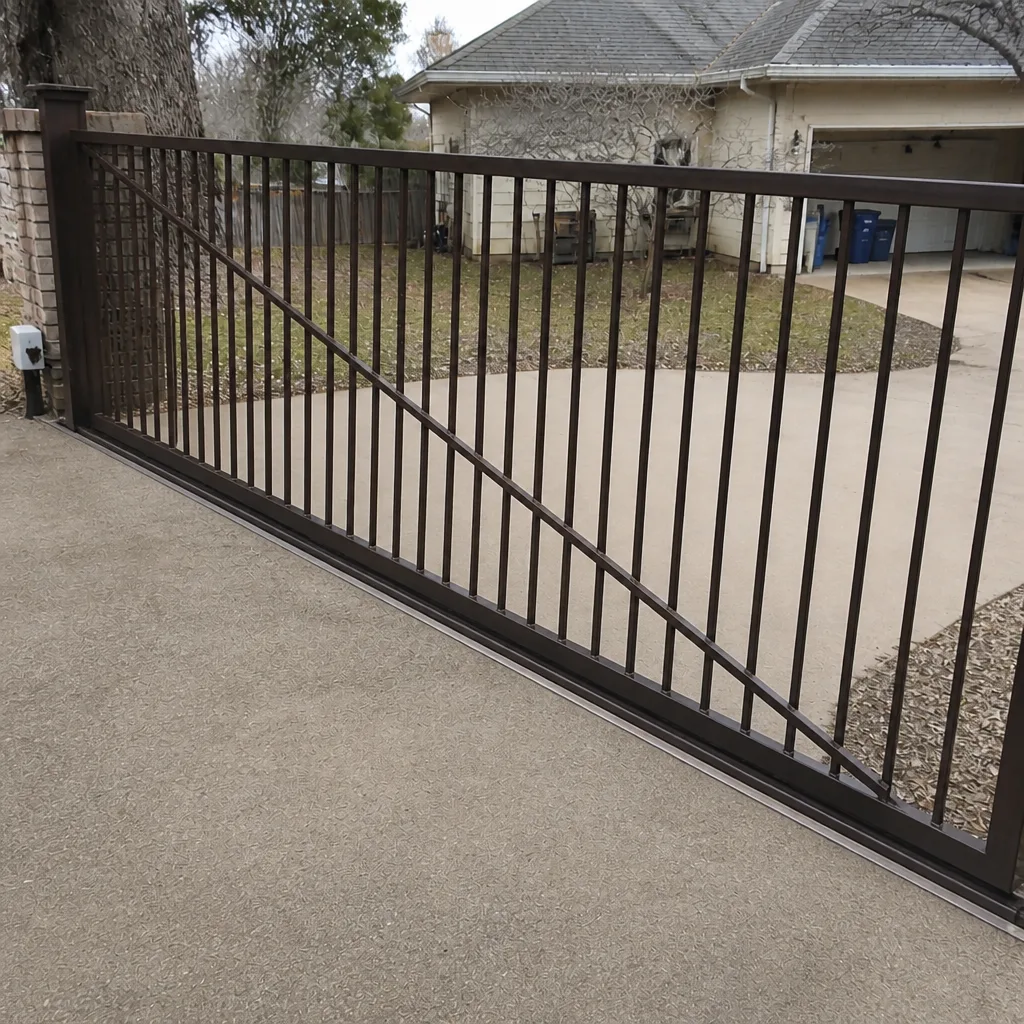 After
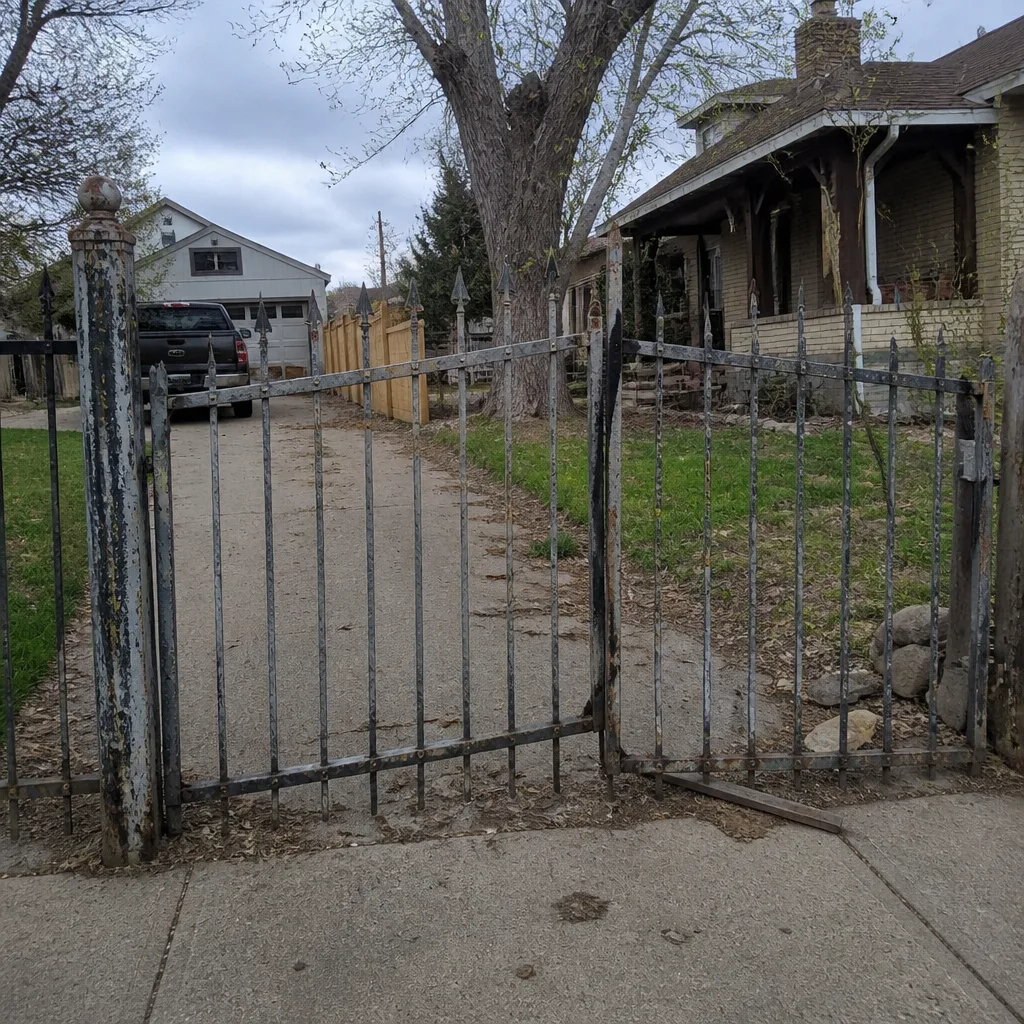 Before
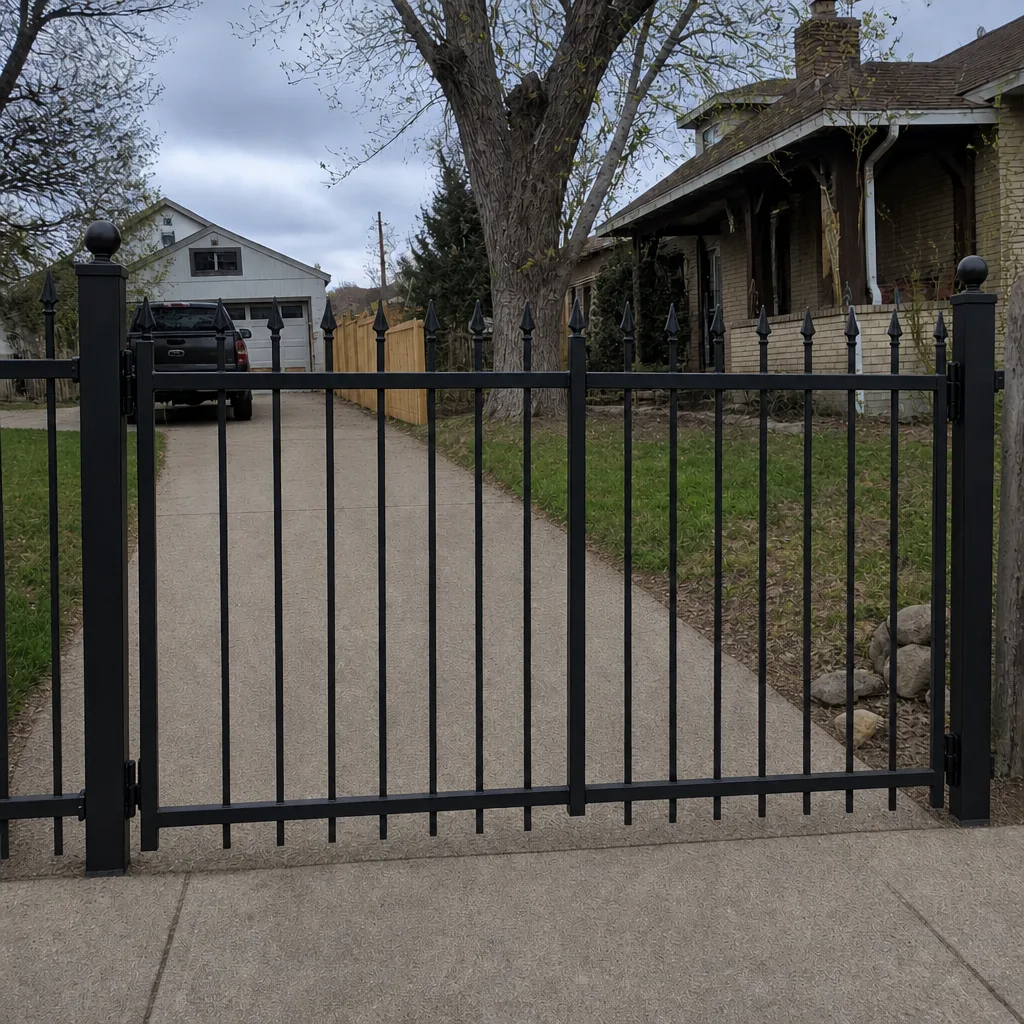 After
When to Call a Professional
Call a professional when the gate moves by hand but the operator won’t start it, when the operator runs but the gate is hard to move by hand, when the gate reverses for no visible reason, or when you notice a change in how the gate latches after the ground has been wet. Call when there’s visible track damage, a hinge you can’t keep tight, or any exposed wiring near the operator. Call when you’re not sure what’s wrong, because that’s exactly the situation where a wrong guess costs the most. Westminster Gate Repair offers free estimates in Westminster – call (833) 348-9387. We answer 24/7, and fast dispatch from 7am to 7pm runs Sunday through Friday.
Frequently Asked Questions
There’s no fixed price because the price reflects the diagnosis, not a standard package. Adjustments sit at the low end; sensors, hinges, and limit work sit in the middle; operator or control-board replacement is the upper end. The written estimate you receive after diagnosis sets the final price, and we quote and agree it before any work starts. Call (833) 348-9387 for an exact quote – estimates are free.
Same-day service is available for urgent repairs, with fast dispatch from 7am to 7pm, Sunday through Friday. We answer 24/7 and book each call into the next opening when it arrives outside dispatch hours. Call (833) 348-9387.
In most cases, you can tell by testing the gate by hand with the power off. If it moves freely by hand but won’t respond to the operator, the issue is likely electrical or control-related. If it’s hard to move by hand, it’s mechanical binding. A professional diagnosis confirms which it is before any parts are ordered. Call (833) 348-9387.
That symptom almost always points to a limit switch or safety sensor issue rather than a full failure. On platforms like Ghost Controls, the operator relies on precise limit settings, and a gate that has drifted out of alignment can trip the limits early. The fix is often an adjustment rather than a board replacement. Call (833) 348-9387 to schedule a diagnosis.
Westminster Gate Repair works across nine major gate and operator brands, including LiftMaster, Ghost Controls, DoorKing, Elite, and Mighty Mule. We are independent, experienced with each platform, and diagnose based on your gate rather than on which parts we happen to stock. Call (833) 348-9387.
It helps, but not always necessary. What helps most is a clear description of the symptom, the operator make and model, and photos of the gate in open, closed, and half-open positions. With that, our technician arrives with a clearer sense of what to check. Call (833) 348-9387 to set up the visit.
The Bottom Line
Gate repair isn’t complicated, but it’s specific. Swing, slide, and barrier-arm gates fail in different ways. Colorado’s clay soil moves gate posts, and that movement cascades through hinges, latches, and operators. Automated faults are usually electrical or control-board related until a physical symptom proves otherwise. Brand capability matters, because a Ghost Controls limit issue and a DoorKing access fault look similar to the driver and different in the diagnosis. Document what your gate is doing, ask for a diagnosis not just a price, and fix the cause rather than the symptom. That’s how you avoid paying for the same repair twice.
Westminster Gate Repair specializes in gate repair, electric gate repair, and gate installation. We’ve served homeowners and property managers since 2018, and we’re dedicated to gates, not to general repairs. If your gate is drifting, sticking, reversing, or just not doing what it used to, we’ll diagnose it, quote it in writing, and agree the scope before any work starts.
Call (833) 348-9387 for a free estimate. We answer 24/7. Fast dispatch from 7am to 7pm, Sunday through Friday.
Written by the team at Westminster Gate Repair, serving Westminster since 2018.