
Last updated November 14, 2026
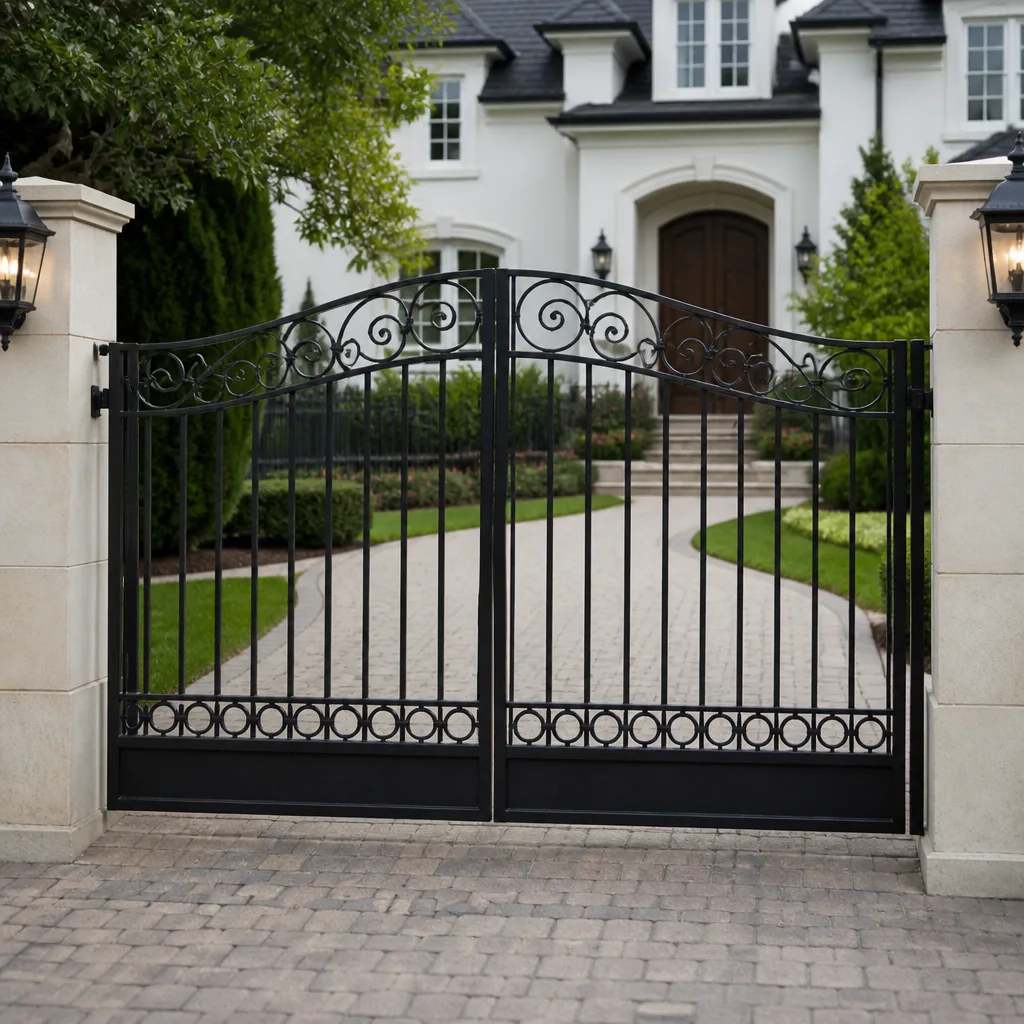 Wrought iron
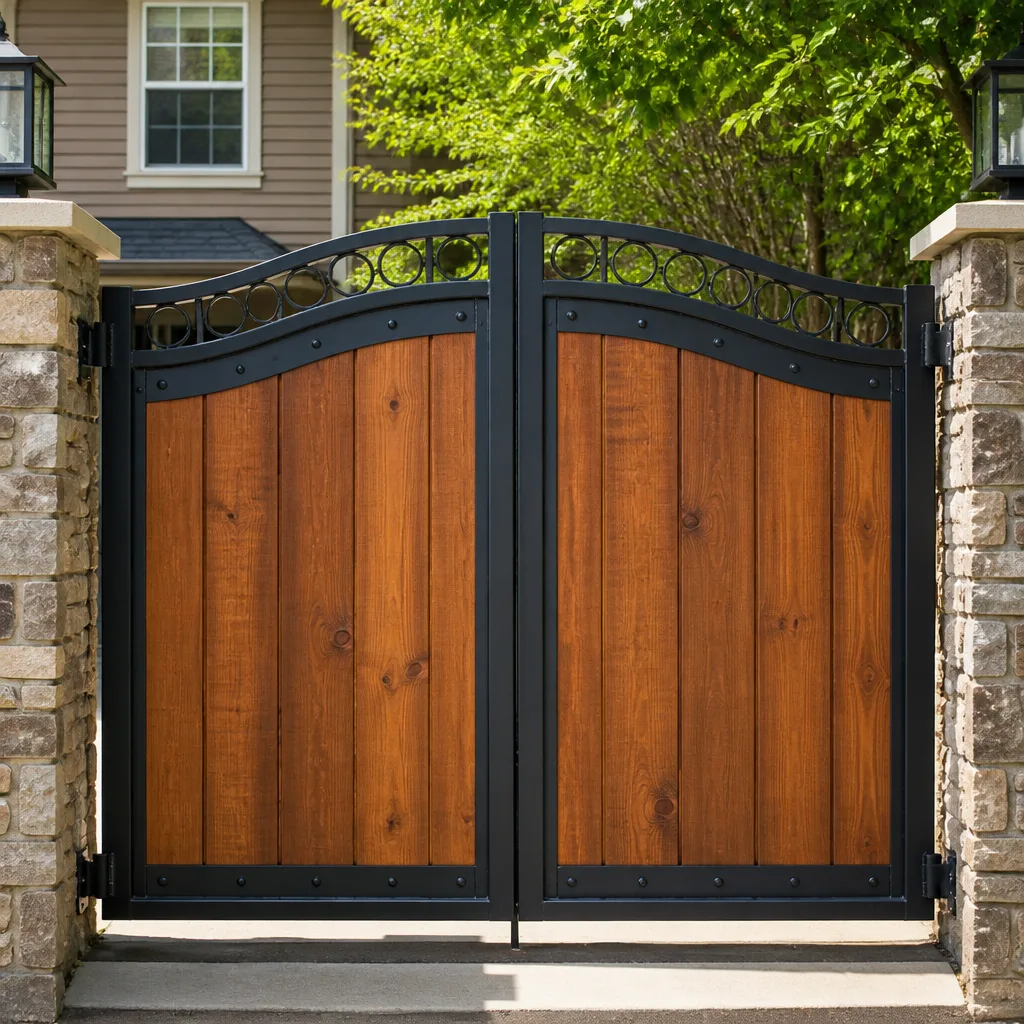 Wood & steel frame
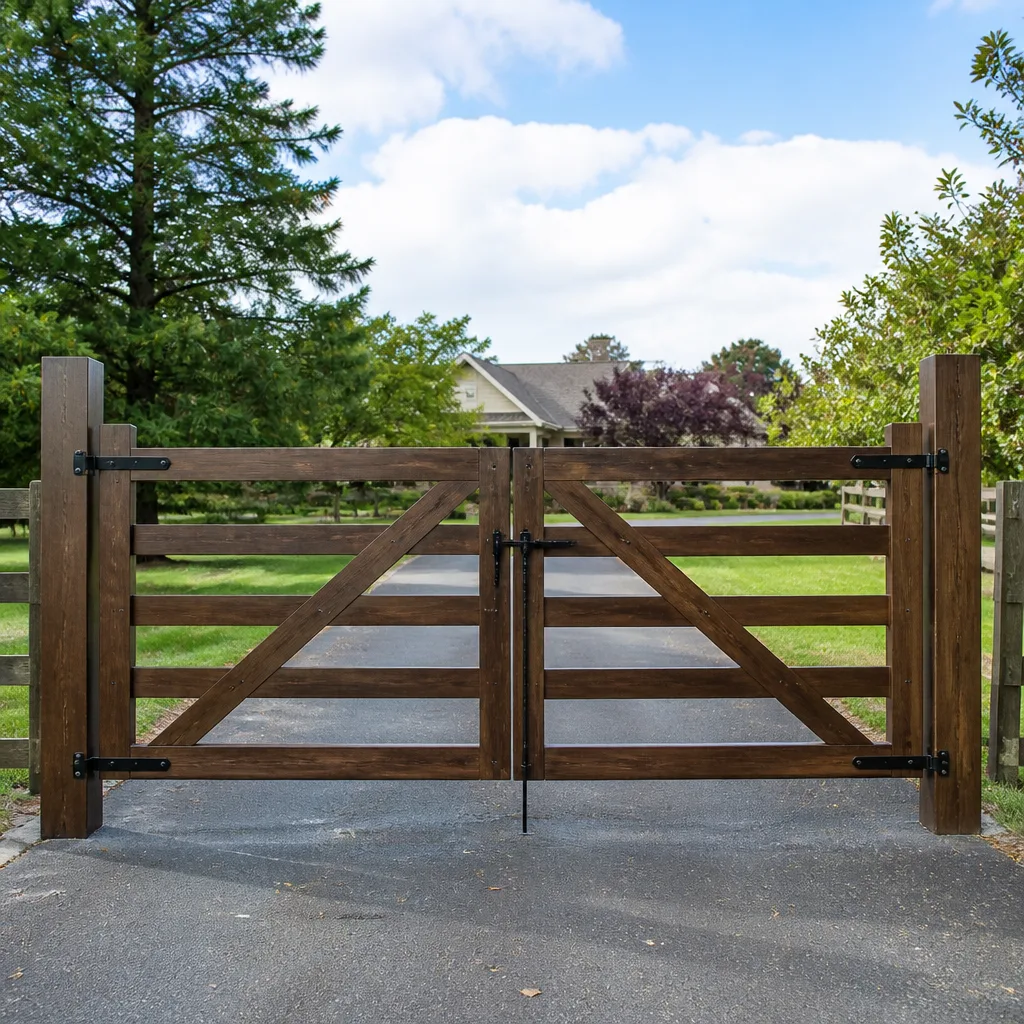 Farm & ranch
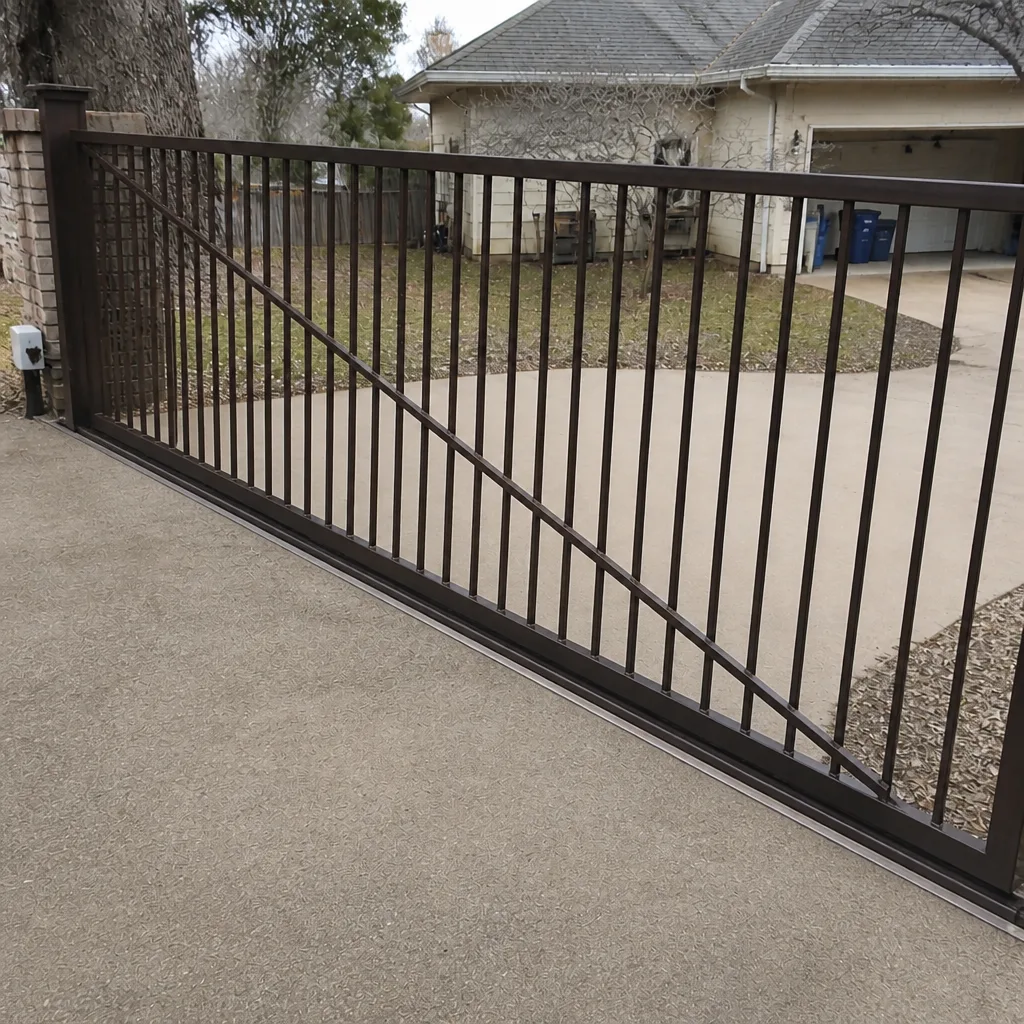
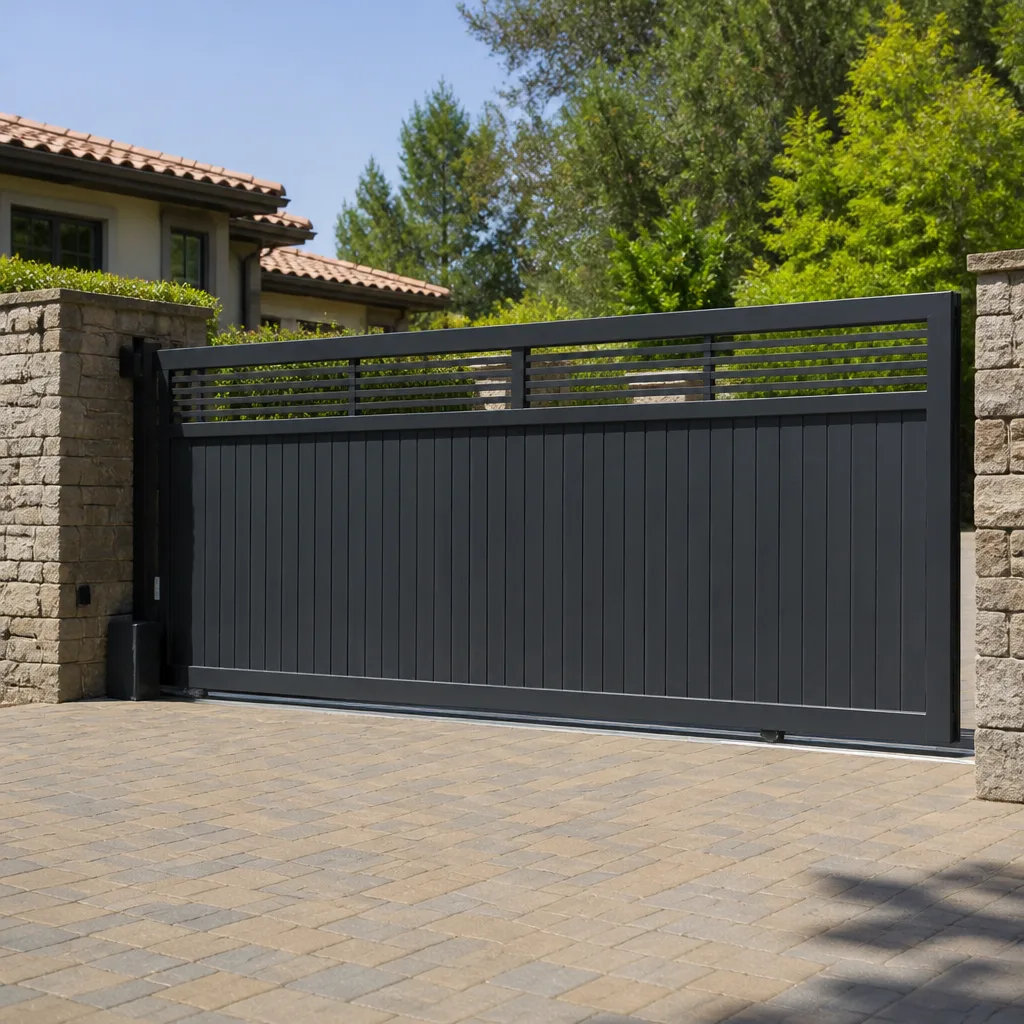 Sliding driveway gates
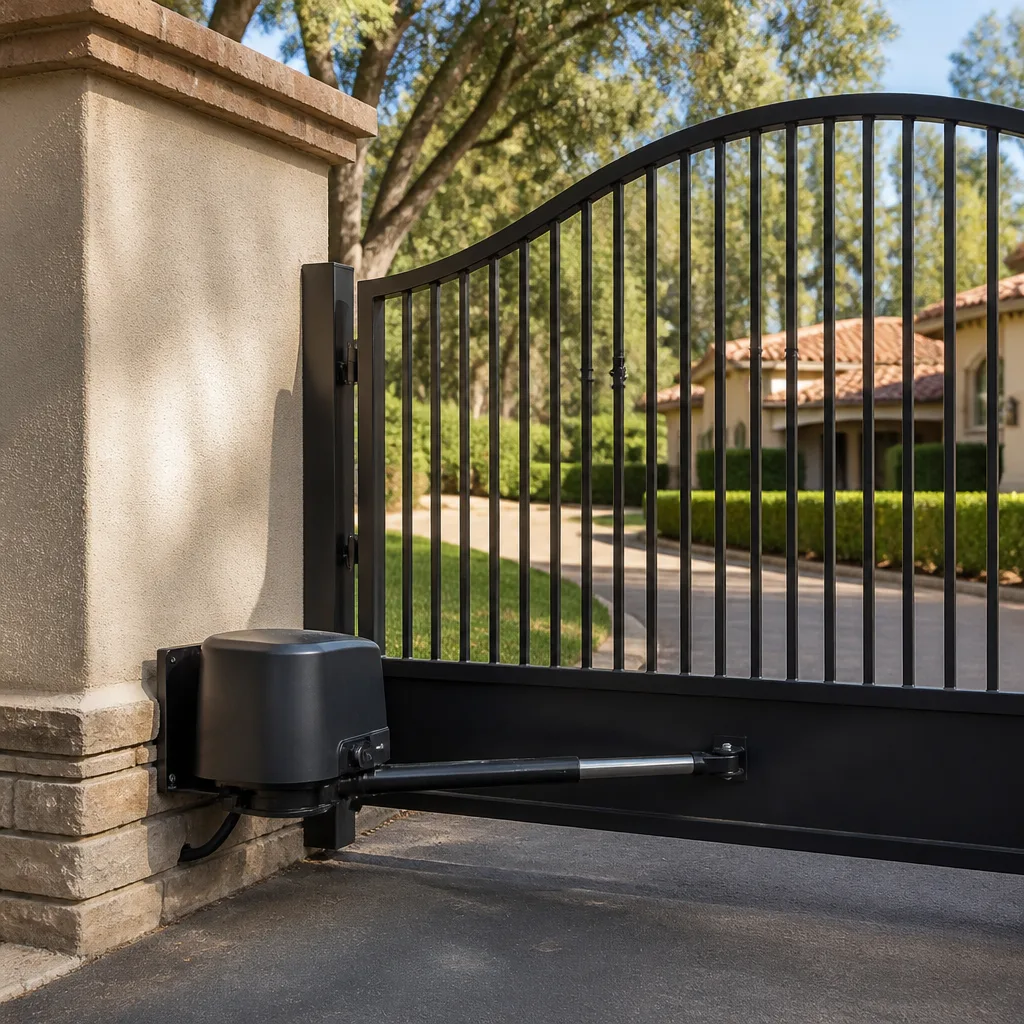 LiftMaster operators
Free on-site gate assessment - hinges, posts, and your LiftMaster or Nice gate operator checked before anything is quoted
The assessment is free and the quote is the invoice.
Get your free estimateGate Repair Cost Breakdown: The Westminster Homeowner’s Reference for 2026
Two gates that “won’t open” can sound exactly the same over the phone. One might need a simple limit switch adjustment. The other might need a whole new operator. On paper the symptoms match. The price tags can differ by a factor of ten. That gap is what makes gate repair one of the hardest home services to price-shop, and it’s why comparing bottom-line quotes without understanding what drives them rarely gets you the right answer. This reference breaks down the real cost tiers behind gate work in Westminster, why the same symptom lands in different tiers, and how to read a quote so you can tell a fair one from an inflated one.
Styles & brands we work with
- Wrought iron
- Wood & steel frame
- Farm & ranch
- Sliding driveway gates
- LiftMaster operators
Quick Answer
Gate repair costs in Westminster in 2026 typically break into four tiers: adjustments and calibration on the low end, component replacement (hinges, rollers, sensors) in the middle, operator replacement above that, and structural or post repair depending on how much concrete and panel work is involved. The final price always depends on the specific failure, the brand of your operator, and how long a small problem was left alone. A written estimate after a real diagnosis is the only reliable number.
Table of Contents
- The four cost tiers of gate repair
- Adjustment and calibration costs
- Component replacement costs
- Operator replacement and why brand matters
- Structural and post repair
- How HOA specifications change your costs in Westminster
- The deferred maintenance multiplier
- Reading your invoice: line items to check
- Common mistakes to avoid
- When to call a professional
- Frequently asked questions
The Four Cost Tiers of Gate Repair
The single most useful thing to understand about gate repair pricing is that jobs sort into tiers, and each tier is driven by a different cost. An adjustment is mostly labor and time. A component swap is mostly the part plus labor. An operator replacement is a genuine equipment purchase with installation on top. Structural work adds concrete, posts, and possibly a welder. Knowing which tier a symptom belongs to is what lets you sanity-check a quote.
Here’s how the tiers stack up for a typical residential job in Westminster in 2026:
- Tier 1 – Adjustment and calibration: limit switch tuning, travel adjustment, safety sensor alignment, roller or track realignment. Mostly labor. Lowest cost.
- Tier 2 – Component replacement: hinges, rollers, safety sensors, keypads, control board replacement. Part plus labor.
- Tier 3 – Operator replacement: the motor and control unit itself. Equipment cost dominates, and brand drives it.
- Tier 4 – Structural and post repair: posts, footings, panel alignment, welding. Concrete and labor heavy.
Two gates that produce identical symptoms can land in any of these tiers. That’s the whole reason this guide exists. When a gate won’t open, the cause might be a misaligned limit switch (Tier 1) or a dead operator board (Tier 3). The symptom is the same; the work is entirely different. A technician who opens the control panel and tests each subsystem is the only person who can tell you which tier you’re actually in. We diagnose before we quote for exactly this reason.
Every price in this guide is an estimate for planning. Your written estimate sets the final number, and we quote and agree on it before any work starts.
Adjustment and Calibration Costs
Tier 1 work is the cheapest and the most commonly needed. A gate that reverses for no reason, stops halfway, refuses to close all the way, or opens on its own is often just out of calibration. Limit switches tell the operator where to stop. Safety sensors tell it whether the path is clear. When either drifts, the gate misbehaves in ways that look dramatic but resolve quickly.
Adjustment and calibration in Westminster typically runs in the low hundreds and is measured in time, not parts. What can push a simple adjustment higher:
- Hard-to-reach hardware that requires disassembly to access.
- An operator with no user-adjustable limits, so the technician has to work through a control board or manufacturer-specific tool.
- Weather-related binding: a gate that swelled or shifted with the season and now drags, so the adjustment has to solve two problems.
This tier is where deferred maintenance really hurts, and we cover that in detail below. A binding gate left alone turns a small adjustment into a strained operator, and a strained operator eventually becomes a Tier 3 job. The single smartest thing a Westminster homeowner can do is treat an adjustment as cheap insurance, not as a nuisance call.
If your gate is acting up, gate repair starts with a real diagnosis of what tier you’re in. That same logic applies across the region, and our Westminster Gate Repair team works the full range of manual and automated systems.
Component Replacement Costs
Tier 2 is where most repair budgets land. The operator is fine, but a part in the system has failed. Common component jobs on residential gates in Westminster:
- Hinges and pivot hardware: a worn hinge lets the gate sag and drag, which then stresses the operator.
- Rollers and track hardware on sliding gates: worn rollers make the gate chatter and bind.
- Safety sensors and photo eyes: if the beam is misaligned, broken, or obscured, the gate won’t close safely.
- Keypads and access control: a dead keypad or receiver board locks you out even though the gate mechanism is fine.
- Control boards: the brain of the operator. When it fails, the motor may be perfectly good but unresponsive.
Component pricing is part plus labor, and the part is where the spread lives. A common sensor or hinge is a modest part with modest labor. A control board is a higher-ticket component, and its price depends heavily on the brand. This is the tier where brand familiarity pays for itself, which brings us to the operator question.
On the automation side, electric gate repair is our core specialty. Boards, sensors, operator wiring, and access systems get diagnosed by technicians who work on them every day.
Operator Replacement and Why Brand Matters
Operator replacement is Tier 3, and it’s the tier where two quotes for the same job can differ the most. The motor and control unit are a real equipment purchase. The install is skilled labor. And the brand of your existing operator can swing the parts side of the equation significantly.
Here’s the mechanic that most homeowners don’t see until they’re mid-repair. A well-supported brand like LiftMaster has broad parts availability. A technician can often source a component quickly, which keeps the job moving and the markup reasonable. An obscure or imported brand can push you the opposite direction: the part may sit on backorder for weeks, and the component itself can carry a much higher markup because the supply is thin. For the homeowner, that means a functional operator and an orphaned operator can compare very differently on a quote even when the labor is identical.
This is one reason we work on the brand you actually have. We’re experienced with BFT, Linear, Viking, Ghost Controls, LiftMaster, FAAC, DoorKing, Elite, and Mighty Mule. When a part is scarce, we can tell you up front whether repairing the existing operator makes sense or whether replacing it with a well-supported unit is the better long-term value. Either way, the recommendation fits your gate, not what happens to be easiest to stock.
A full operator replacement on a residential gate in Westminster is a scheduled job, not a same-day one. It gets measured, the equipment is ordered, and installation is booked. You get a free measure and a written price before anything is committed.
Structural and Post Repair
Tier 4 is the least common and the hardest to price from a phone. When a gate sags, binds, or won’t latch, the cause isn’t always the operator or a part. Sometimes it’s the structure holding the gate up. Posts shift. Footings settle. A gate that used to swing cleanly starts to drag because the geometry underneath it changed.
Structural work in Westminster can involve:
- Diagnosing the true cause. Is the gate sagging, or is the operator pushing unevenly? The fix is completely different.
- Post and footing inspection. Posts set to proper footing depth hold their line. Shallow or degraded footings don’t.
- Hinge and alignment correction. Sometimes re-hanging the gate restores the swing without touching the ground.
- Welding or metal repair on the gate panel or frame when a component has failed structurally.
Because this work can involve concrete, posts, and fabrication, it’s priced per job after an on-site look at the gate and the ground under it. A structural quote that arrives without anyone inspecting the posts isn’t a quote. It’s a guess.
How HOA Specifications Change Your Costs in Westminster
This is the cost factor that trips up more Westminster homeowners than any other, and it rarely shows up in a competitor’s pricing guide. Many neighborhoods here operate under HOA rules that specify the look and sometimes the type of gate a home can have. That matters in one specific way: it can limit your replacement options when you’d otherwise choose the cheapest or easiest path.
If your operator or gate needs replacing and the HOA governs appearance, you may be working within a narrower set of approved options than a homeowner in a neighborhood without those rules. That can push the equipment side higher than a comparable residential repair where the homeowner picks freely. It also means the quote needs to account for the actual gate you’re keeping or matching, not a generic unit.
What to do before you approve a replacement in Westminster:
- Pull your HOA’s gate or exterior-hardware guidelines before the technician arrives, so the options discussed are the ones you can actually use.
- Ask about color, finish, and operator-visibility rules, since those are the specs most likely to constrain a replacement.
- Check whether the HOA requires approval for a like-for-like swap, not just a change in appearance.
- Ask the city about permit requirements for structural work, since that varies and a post or footing job usually triggers a permitting question.
An estimate here in Highlands Ranch follows the same logic. The quote has to match what the neighborhood allows.
The Deferred Maintenance Multiplier
This is where cost logic gets uncomfortable, and it’s the most important section in this guide. The same underlying problem costs far less when it’s caught early than when it’s ignored. A binding hinge is the clearest example. Caught early, it’s a small adjustment to reset the gate’s swing. Six months of dragging later, that same hinge has worn the gate, strained the operator, and started a second problem that now has to be fixed alongside the first. The small adjustment line becomes a component replacement line, possibly with operator strain on top of it.
The pattern repeats across the whole system:
- A misaligned sensor left alone keeps a gate from closing. The gate gets forced, the operator takes the load, and a cheap alignment turns into a motor problem.
- A worn roller on a sliding gate chatters and binds. The binding wears the track, and the track then needs attention too.
- A sagging hinge stresses the operator every single cycle. The operator is doing more work than it was designed to do, and it fails early.
None of this is a scare tactic. It’s just how mechanical systems age. A gate is only as strong as its weakest part, and the weak part hands its load to everything upstream. The math is simple: small, early repairs stay in the low tiers. Ignored problems graduate to the high tiers. When we diagnose a Westminster gate, we look for the weak part, not just the loud symptom, because the loud symptom is often the downstream failure. Getting the weak part fixed is usually the difference between a Tier 1 bill and a Tier 3 bill.
Reading Your Invoice: Line Items to Check
You can’t tell a fair quote from an inflated one by the bottom line alone. You tell by whether the line items match the repair actually performed. A clean gate repair invoice separates the parts of the job so you can see where the money went. Watch for these, and treat a single lump sum with no detail as a reason to ask questions.
- Diagnosis and what was found. The invoice should say what failed, not just that something was fixed. Which subsystem, which part, what test confirmed it.
- Parts, itemized by name. Hinges, sensors, a control board, an operator: each part gets its own line with its own price. A part folded quietly into labor is a line item you can’t verify.
- Labor, stated separately from parts. You should be able to see the part cost versus the work cost. Tier 1 jobs are almost all labor. Tier 3 jobs are part-heavy. The split tells you which tier you’re in.
- Any structural or fabrication work, called out. Welding, post work, and footing work should appear as their own lines, not buried in the total.
- The agreed price matching the estimate. The number on the invoice should match the number you agreed to before work started. If it doesn’t, the difference needs an explanation.
The cleanest protection you have as a homeowner is a written estimate quoted and agreed before any work begins. We work that way on every Westminster job. You see the diagnosis, the parts, and the price, and you approve it before a technician starts. If a quote you receive elsewhere is one big number with no breakdown, ask for the detail. A company that did the diagnosis can explain it line by line.
Common Mistakes to Avoid
- Comparing bottom lines between quotes. A slightly higher quote that includes the part that actually failed beats a lower quote that missed the real cause. Compare what’s included, not just the total.
- Assuming a gate that won’t open needs a new operator. Many “won’t open” calls are Tier 1 or Tier 2. Let a technician diagnose before you accept a replacement recommendation.
- Ignoring a small adjustment to save a little now. That’s the deferred maintenance multiplier in action. The cheapeset fix today is the fix you skip until it becomes a much bigger one.
- Approving a replacement without checking HOA rules. In Westminster, an HOA can narrow your replacement options and change the cost. Look up the guidelines first.
- Forgetting the permit question on structural work. Post and footing work often requires a permit. Ask the city’s building department before the job starts, not after.
- Accepting a quote with no written breakdown. Ask for parts and labor separately, plus the diagnosis. A vague quote hides the tier you’re actually in.
- Hiring a generalist because the call was cheaper. A technician who works on gates daily diagnoses the right subsystem faster, which is what keeps a job in the lower tiers.
When to Call a Professional
Some gate problems are genuinely dangerous, and they need a trained technician rather than a homeowner with a toolkit. The operator’s wiring and power supply are a real electrical hazard. Heavy gate panels can crush if the mechanism fails while someone is nearby. A sliding gate that has come off its track or a gate with a failed safety sensor can trap or strike a person if it moves unexpectedly. Any of these is a stop-and-call situation, not a weekend project.
Beyond the safety cases, call when the gate reverses, stops, or opens on its own; when the operator runs but the gate doesn’t move; when the gate drags or binds; or when an access control or keypad has locked you out. Westminster Gate Repair offers free estimates in Westminster. Call (833) 348-9387. We answer 24/7. Fast dispatch from 7am to 7pm, Sunday through Friday. If something outside dispatch hours needs attention, a call is booked into the next opening.
Frequently Asked Questions
Gate repair in Westminster in 2026 sorts into four cost tiers, from simple adjustments and calibration on the low end, through component replacement, up to operator replacement and structural work on the high end. Adjustment work is mostly labor; operator replacement is mostly equipment. Call (833) 348-9387 for an exact quote after a diagnosis. Estimates are free.
Because the symptom is only the surface. A gate that won’t open might have a misaligned limit switch, a dead control board, or a failed operator, and each of those is a different tier of work. The cause is inside the control panel and the mechanism, and it can only be found by testing them. That’s why a diagnosis comes before a price, not after.
Often, yes, on the parts side. Well-supported brands have broad parts availability, so components are easier to source and carry less markup. An obscure imported brand can leave you waiting on a backorder and paying more for the part. We carry experience across LiftMaster, Linear, BFT, Viking, Ghost Controls, and other major brands, so we can tell you when repairing your existing operator makes sense and when replacing it is the better value.
Repairs are often handled quickly, and same-day service is sometimes possible depending on the schedule and the diagnosis. Call (833) 348-9387. We answer 24/7. Fast dispatch from 7am to 7pm, Sunday through Friday. If you call outside dispatch hours, we’ll book you into the next opening.
Usually, yes, because they involve posts, footings, concrete, or welding on top of the mechanical repair. They’re priced per job after an on-site look at the gate and the ground under it, and a permit may be required, so ask the city’s building department. Call (833) 348-9387 to schedule a free estimate.
At minimum: the diagnosis and what was found, parts listed by name with their prices, labor stated separately from parts, and any structural or fabrication work called out on its own line. The total should match the estimate you agreed to before work started. If it doesn’t, ask why.
It can. HOAs often specify gate appearance and sometimes operator visibility, which can limit your replacement options and push the equipment cost higher than an unrestricted job. Pull your HOA guidelines before the technician arrives so the options discussed are the ones you’re allowed to use. Call (833) 348-9387 for a free estimate.
The Bottom Line
Gate repair costs in Westminster vary so much because a symptom tells you almost nothing about the tier of work behind it. The four tiers, adjustment, component replacement, operator replacement, and structural work, are driven by different costs, and the brand of your operator can swing the parts side of the equation. Ignoring a small problem graduates it to a bigger tier over time. Read your quote by its line items, not its total. Ask for the diagnosis, the parts, and the labor separately, and get a written price agreed before work starts. That’s how you tell a fair quote from an inflated one, and it’s how we price every job.
Westminster Gate Repair is a dedicated gate specialist, not a generalist taking a guess. From a single broken hinge to a full automated system installation, we diagnose before we quote and work on the brand you have. Call (833) 348-9387 for a free estimate.
Written by the team at Westminster Gate Repair, serving Westminster since 2018.
See the difference
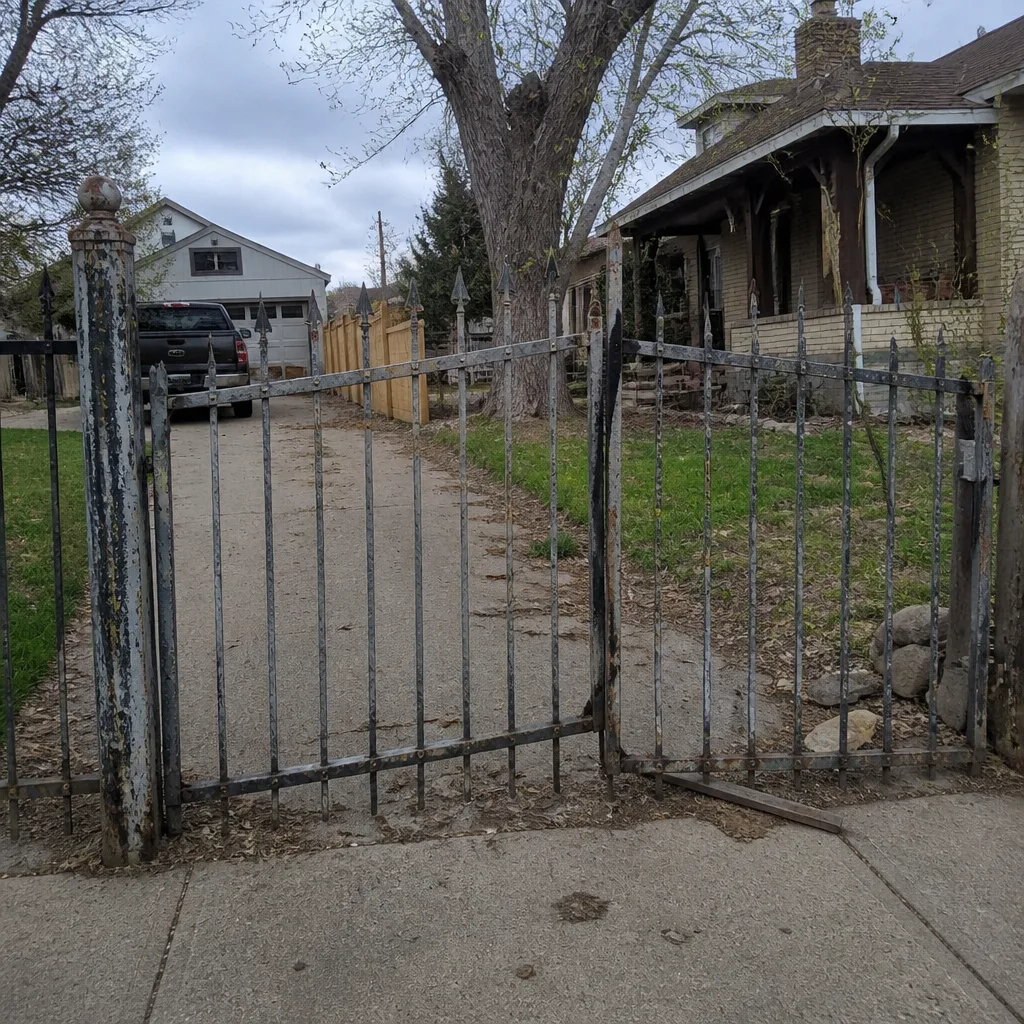
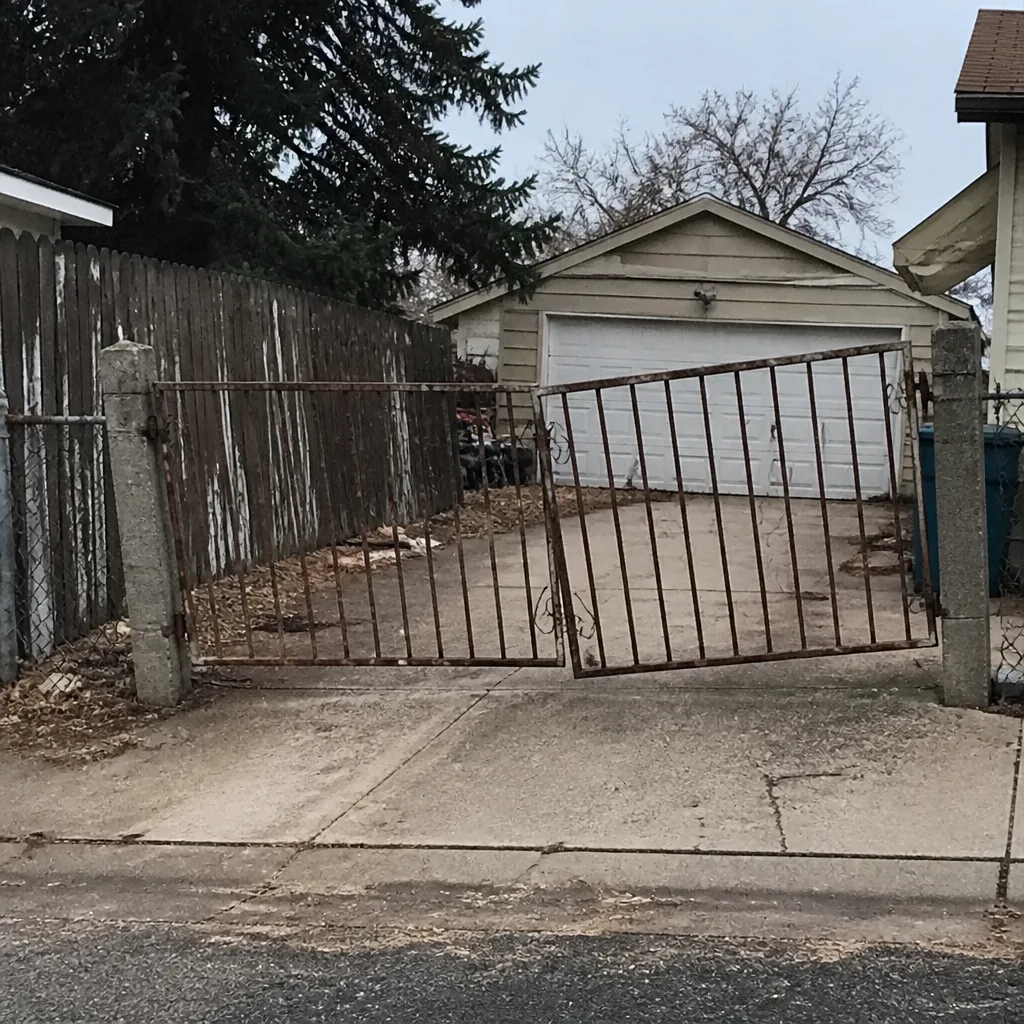 Before
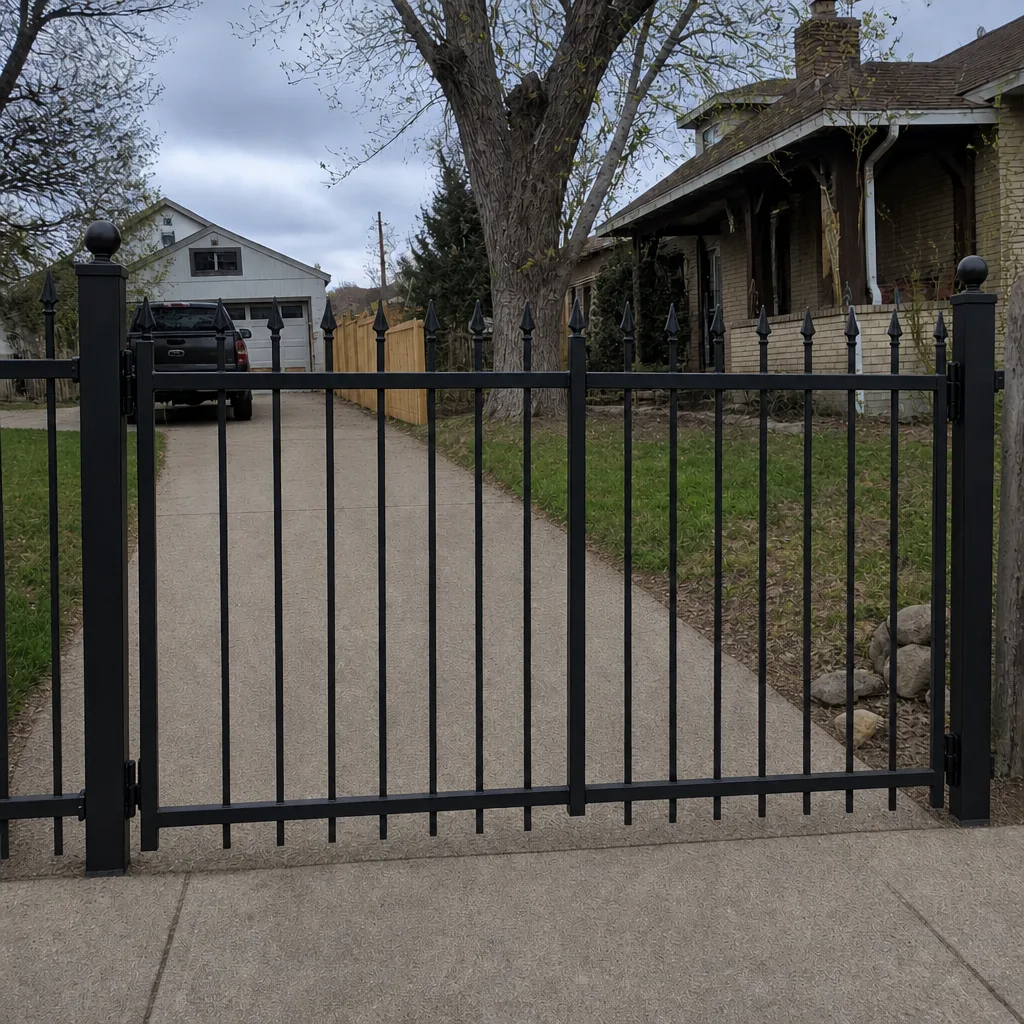
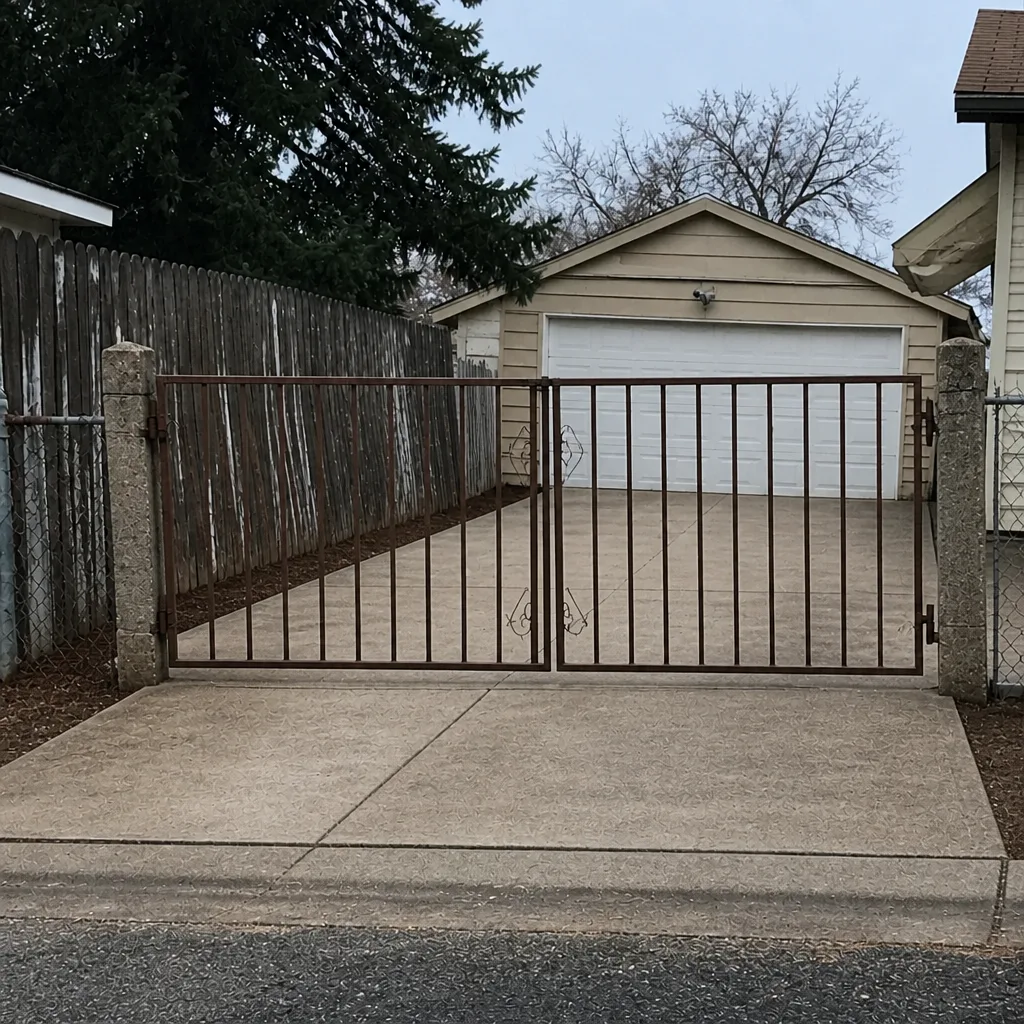 After
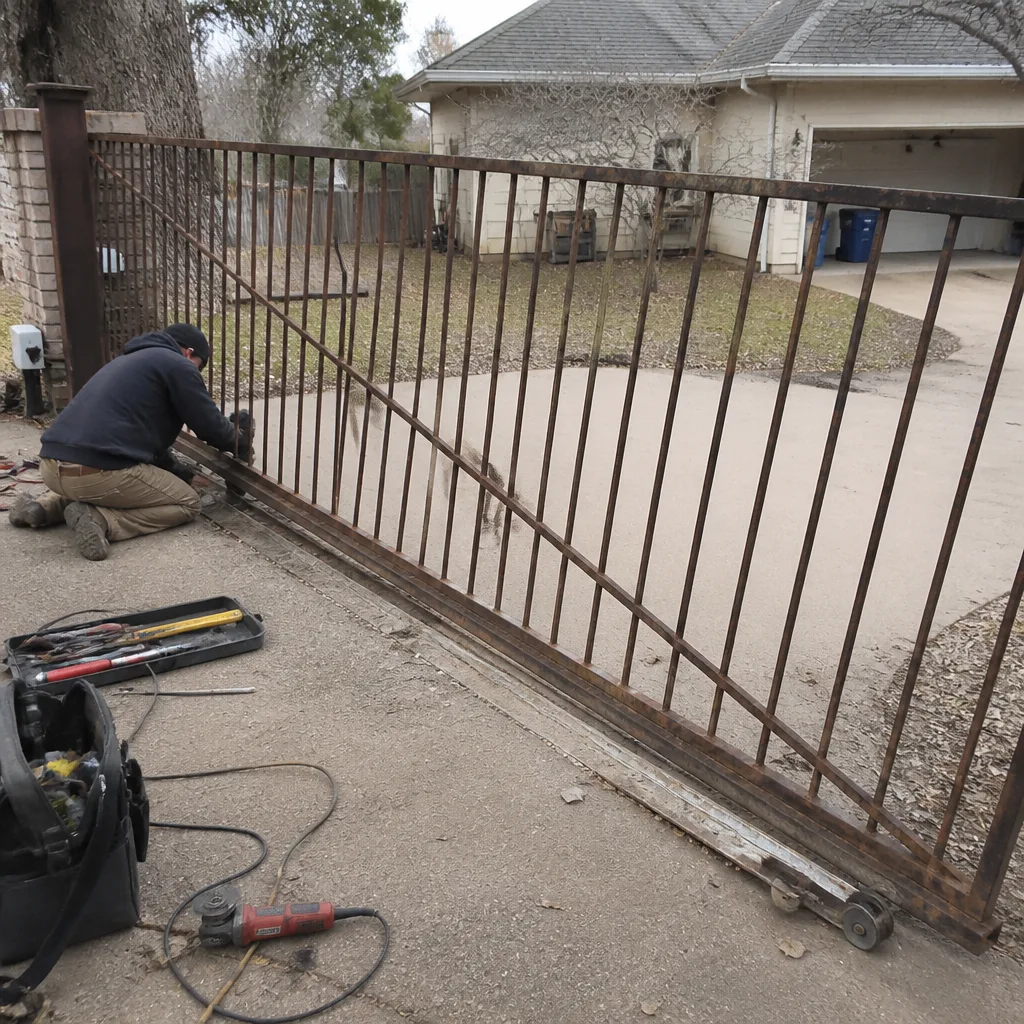 Before
 After
 Before
 After